Best SMS Verification Platforms in 2023: The Compliance Choice Cross-Border Sellers Can't Ignore
Best SMS Verification Platforms in 2023: The Compliance Choice Cross-Border Sellers Can't Ignore
If you're running a cross-border e-commerce business or managing overseas social media accounts, you've probably noticed something this year—phone number verification has become a real headache. It used to be simple: buy a cheap SIM, register an account, done. Now, platform risk controls are so aggressive that accounts get banned after two weeks of careful nurturing. That's why SMS verification platforms have been such a hot topic in 2023. But honestly, most services out there are still stuck at "good enough to receive a code." Very few actually prioritize compliance and long-term reliability.
Why SMS Verification Got Complicated in 2023
A few years ago, the main selling point of SMS verification platforms was simple: affordability. Pay a few cents, receive a code, register, and move on. The cost was negligible. But that approach doesn't fly anymore. Social media and e-commerce platforms have dramatically upgraded their fraud detection systems, and they're extremely good at identifying virtual phone numbers. Many practitioners report that accounts registered through traditional SMS platforms have a survival rate below 30%.
The logic behind this is straightforward: platforms are cracking down on bulk account registration, and traditional SMS services recycle the same small pool of number prefixes. Once those prefixes get flagged hundreds of times, using one to register an account is basically asking for a ban.
So here's the industry consensus: the competitive edge for SMS verification platforms in 2023 has shifted—from "how many numbers do you have" to "how clean are your number prefixes and how disciplined is your account nurturing process." This shift explains why some legacy platforms are fading out while services like Getfollow, which put compliance first, are gradually gaining traction.
Number Prefix Quality Is the Make-or-Break Factor
When evaluating an SMS verification platform, don't just look at the price. Ask about their number sourcing first. The most reliable model in the industry right now involves direct partnerships with overseas carriers to secure physical SIM card inventory—not bulk purchases from secondhand channels. Physical SIM numbers are in a completely different league when it comes to prefix cleanliness compared to recycled virtual numbers.
You should also check whether the platform isolates numbers between users. Some platforms sell the same number to multiple customers simultaneously to cut costs. The result? One user violates platform rules, and everyone else sharing that number gets banned in a chain reaction. I've heard far too many stories like this in 2023.
Balancing Price and Stability for Transactional Needs
If you're serious about long-term cross-border operations, I'd strongly suggest putting stability ahead of price. Many cross-border sellers have told me that the few dollars they saved using ultra-cheap SMS platforms came back to haunt them—multiplied—in account appeals and re-nurturing costs. Industry insiders know this open secret: if a service charges one or two dollars per code, the number quality is almost certainly compromised.
Looking at real-world usage, cross-border businesses typically need SMS verification for three types of scenarios:
- Registering overseas social media accounts like WhatsApp and Telegram
- Verifying marketplace store registrations on Amazon, Shopee, Lazada, and similar platforms
- Receiving verification codes for overseas banks, payment tools, and cloud services—high-sensitivity scenarios
The first two categories have some room for error. Even if an account gets banned, the damage is manageable. But the third category involves money and core operations—a failure there triggers a cascade of problems. My advice: use a pricier, compliant platform for critical scenarios and a budget option for routine ones. Don't apply a one-size-fits-all approach.
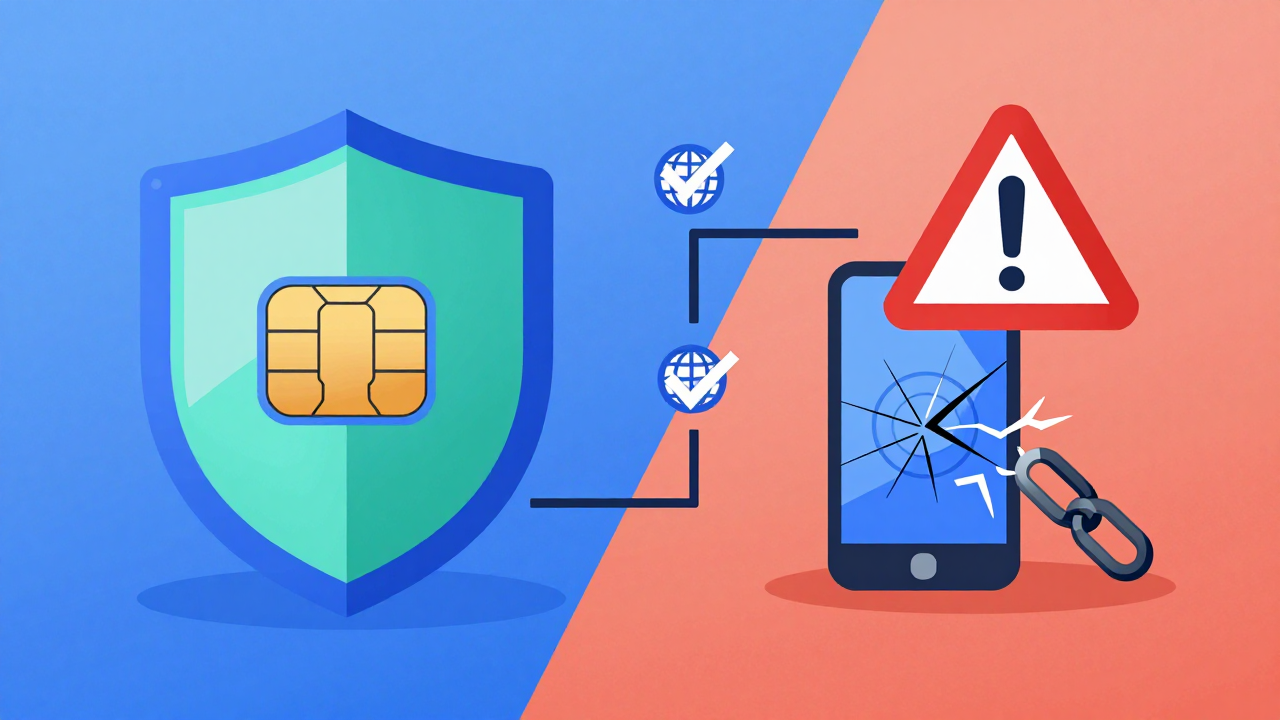
Platforms like Getfollow have built a solid reputation by following exactly this compliance-first playbook. Their pricing isn't a simple per-code rate—it's tiered by number type and use case. The unit price might not be the lowest on the market, but when you factor in higher account survival rates, it actually ends up costing less overall.
Three Things to Check Before Choosing a Provider in 2023
People ask me all the time: how do you tell if an SMS verification platform is trustworthy? I tell them to evaluate three dimensions:
- Does the platform let you view a number's registration history and usage records? Transparent platforms are confident enough to show you their cards.
- Is there a clear refund or compensation policy—for example, if a number fails or a code never arrives, do you get a refund or a replacement?
- How fast is customer support? When something goes wrong, can you actually reach a human? Nothing matters more than this.
These three criteria sound simple, but surprisingly few platforms meet all of them. Many don't even offer live chat—they rely entirely on ticket systems. Submit a ticket and wait three to five days for a response? By then, your business is already in trouble.
Industry Shakeout: Don't Sacrifice Quality for a Bargain
Let's be honest—the SMS verification platform market in 2023 is going through a consolidation phase. Platforms that rely on low prices to attract users without legitimate number sourcing are getting weeded out. What's left are either well-funded industry leaders or niche specialists like Getfollow that go deep on vertical use cases and build compliance into their DNA.
Here's my final piece of practical advice: don't treat SMS verification as a simple "buy a code" transaction. It's really part of your account security infrastructure. When choosing a platform, spend an extra half hour reviewing their operational approach, number sourcing, and after-sales policies. That time investment matters more than anything else. Every penny you save today could come back to haunt you—with interest—the next time you face a mass account ban.
Frequently Asked Questions About SMS Verification Platforms
What is the best SMS verification platform for cross-border sellers in 2023?
For cross-border sellers, the best choice depends on your use case. For high-sensitivity scenarios like banking or payment verification, compliance-first platforms like Getfollow are recommended despite higher unit prices. For low-risk registrations, budget options may suffice—but always verify number sourcing and refund policies first.
Why do accounts registered with SMS verification platforms get banned?
Most bans happen because the number prefix has been flagged by the target platform due to repeated abuse. Virtual numbers and recycled prefixes are especially vulnerable. Physical SIM numbers sourced directly from carriers have a much cleaner reputation and significantly lower ban rates.
How much does an SMS verification platform cost in 2023?
Pricing varies widely by number type and use case. Budget services may charge as little as $0.10–$0.30 per code, while compliance-focused platforms typically range from $1–$3 per code. For critical business operations, the higher price is usually worth the reduced risk of account loss.
Can I use the same SMS verification platform for WhatsApp and Amazon registration?
Yes, most platforms support both, but we recommend using different number pools for different platforms. Cross-contamination—using the same number prefix across multiple services—can increase the risk of linked bans. A good platform will offer number isolation and usage history transparency.