Best SMS Verification Browsers for Cross-Border Sellers in 2026: A No-Nonsense Buying Guide
Best SMS Verification Browsers for Cross-Border Sellers in 2026: A No-Nonsense Buying Guide
After years in cross-border e-commerce, the biggest lesson I've learned is this: account security is not something you leave to chance. By 2026, platform risk controls have gotten seriously sophisticated, and that old mindset of "buy a cheap SMS verification service and forget about it" simply doesn't cut it anymore. Today, let's break down how to evaluate and choose an SMS verification browser that actually works.
The Bottom Line First: Don't Obsess Over "SMS Receiving"—Environment Isolation Is Everything
Most people start by asking, "Which service is cheapest for receiving SMS codes?" That's the wrong question entirely. I've seen countless cases where sellers tried to save a few bucks with a browser running on shared IPs, only to have one store trigger a mass ban across their entire operation. In 2026, platforms are scrutinizing device fingerprints and network environments at a level that's honestly unnerving.
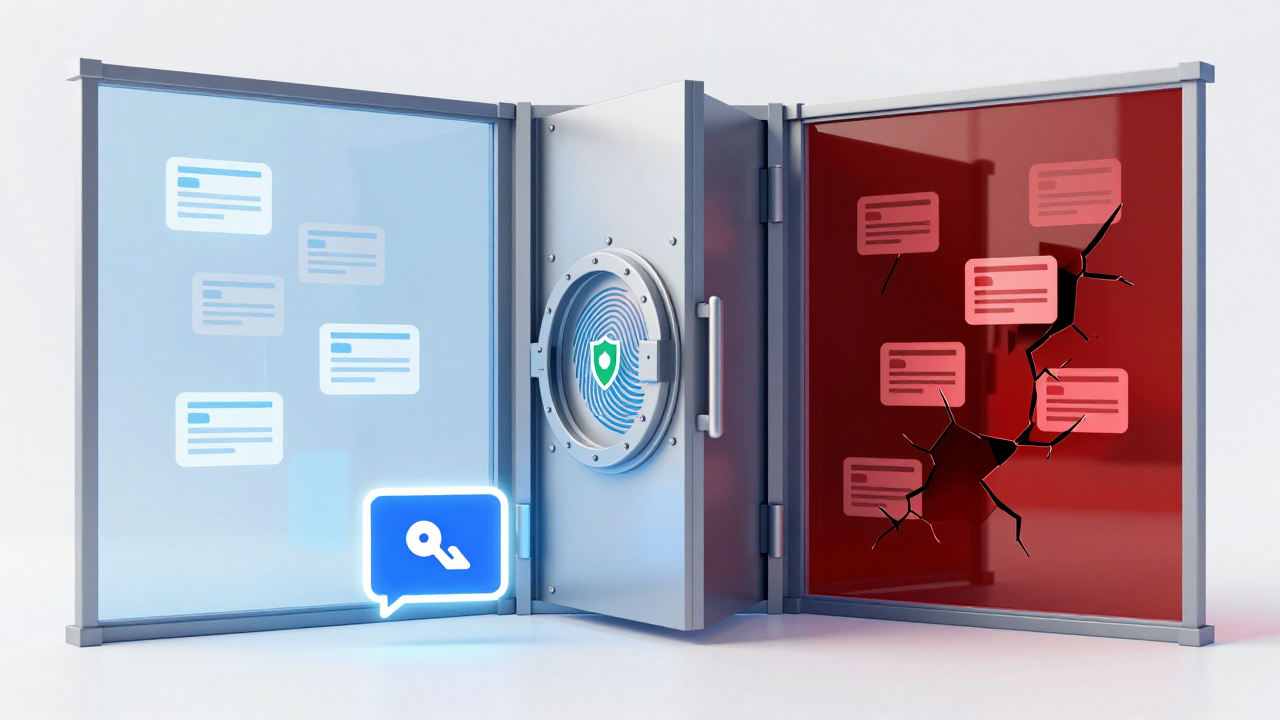
So here's the deal: an SMS verification browser handles the registration and verification step, but what actually determines how long your accounts survive is the fingerprint isolation technology underneath. Think of the browser as a private room—receiving SMS codes is just the key that opens the door. The room's soundproofing and security measures are what let you sleep at night.
2026 Market Reality: Service Providers Are Polarized—Don't Get Blinded by Rock-Bottom Prices
Looking at the 2026 landscape, providers generally fall into two camps. The first is pure tool-based services: they offer a browser plus basic SMS API integration at a cheap price, but they're helpless when risk control algorithms get upgraded. The second is full-service providers: they bundle phone number resources, environment configuration, and even account-nurturing advice into one package. They cost more, but they save you headaches.
Industry consensus is that competing purely on "can receive SMS codes" is meaningless in 2026—the technical barrier has dropped too low. The real differentiator is the purity of the number pool and how quickly the provider responds to risk control changes. Some services hand out number segments that platforms have already flagged to death. Register with those, and your accounts are basically dead on arrival.
Here's a real case. A friend running a dropshipping site went with a small, cheap SMS verification platform. All ten TikTok accounts he registered were wiped out within three days. Turns out, that number segment was a classic blacklist zone, previously used for mass spam registrations. He later switched to a provider with proper environment isolation—more expensive, but his account survival rate improved dramatically. Classic case of penny-wise, pound-foolish.
Deep Dive: Why Did "SMS Verification" Get So Complicated in 2026?
The core reason is that platform risk control has shifted from "is the verification code correct?" to "does the behavior behind the code make sense?" If you register through an SMS verification browser with IPs jumping around and device fingerprints appearing and disappearing, you'll be flagged as high-risk even if every code you enter is correct.
So when evaluating options in 2026, I recommend focusing on three dimensions:
- Thoroughness of fingerprint isolation: Does each account truly get its own Canvas, WebGL, timezone, and language environment? Or is it just a User-Agent swap to fool people?
- Real status of number resources: Are these virtual number segments or physical SIM card pools? By 2026, many platforms have extremely high detection rates for virtual numbers. Physical SIMs cost more, but their stability is in a completely different league.
- Risk control emergency response: When platform algorithms update and trigger mass bans, does the provider update their solution immediately, or do they go silent?
From my experience testing numerous tools, I've found that some so-called "SMS verification browsers" are just a thin wrapper around an SMS platform, with fingerprint masking that's an absolute mess. Registration might go smoothly, but once you enter the account-nurturing phase, all sorts of anomaly warnings start popping up.
Pitfall Guide: These Details That 90% of Beginners Overlook
First, don't just look at "success rates." Many providers advertise SMS verification success rates above 95%, but you need to ask: does that mean registration success, or survival 24 hours after registration? There's a lot of room for inflation here.
Second, watch out for the "two-factor verification" trap. In 2026, many platforms trigger a secondary SMS or email verification after registration. Some SMS verification browsers don't support this, leaving accounts stuck in a "semi-activated" state. Make sure the tool you choose can handle ongoing verification needs, not just the first step.
Third, test in a "dirty" environment. My advice: don't rush to register your main accounts when you get a new tool. First, register a few test accounts and deliberately do some "violations"—like rapidly switching IPs or adding lots of friends in a short time—to gauge the platform's tolerance. If test accounts can't survive three days, that tool is basically a write-off.
Service Model Comparison: Which Fits Your Business Scale?
| Comparison Dimension | Pure Tool-Based | Compliance-Focused Service |
|---|---|---|
| Core Features | Basic fingerprint masking + SMS API | Deep environment isolation + number management + risk alerts |
| Number Resources | Mostly shared virtual segments | Some include physical SIM pools with higher purity |
| Best For | Individual testing, low-value account registration | Cross-border store portfolios, ad account operations |
| Risk Management | Relies on user judgment | Dedicated team tracking platform algorithm updates |
| 2026 Industry Survival Rate Reference | Generally below 40% | Generally in the 50%–70% range |
As this table shows, if your business only involves registering an occasional account, a pure tool might suffice. But if you're running multiple stores or ad accounts, environment stability and ongoing support become critical. In the current market, platforms like Getfollow have built a solid reputation precisely because they follow this compliance-first approach—packaging browser environment and number resources into one integrated solution rather than just selling a "receive SMS" feature.
How to Spot a Reliable Provider: Three Tests
People ask me all the time how to tell if a provider is trustworthy. I've boiled it down to three checks:
Check one: Do they make honest promises? Reliable providers will clearly tell you which number segments carry risk and which operations might trigger risk control—rather than guaranteeing "100% safety." Anyone who promises everything should actually worry you.
Check two: How fast is their after-sales response? Platform risk controls update frequently in 2026, and problems can surface at 2 AM. When you message support about a ban in the middle of the night, do they respond immediately or the next day? This directly determines how quickly you can cut your losses.
Check three: Do they teach you how to use it? Good providers offer detailed guides and pitfall-avoidance advice instead of just handing you a dashboard and walking away. Tools are static; operational thinking is what's dynamic.
Speaking of which, platforms like Getfollow have earned recognition from many cross-border sellers in 2026 largely because they've turned after-sales support and risk control alerts into standardized processes—not relying on individual support agents to fight fires.
My Recommendation: Test Small First, Then Commit Long-Term
No matter which SMS verification browser you're leaning toward, I strongly suggest starting with the smallest plan or a trial slot. Register a few low-value accounts and run them for a week. Observe account survival rates, operational smoothness, and how responsive customer support is when issues arise. Once you're satisfied, scale up your investment.
Cross-border e-commerce in 2026 isn't about who's boldest—it's about who's most stable. Account security is your foundation. If the foundation is shaky, everything you build on top is at risk. I hope this guide helps you avoid a few landmines and spend every dollar where it counts.
FAQ: What People Still Ask About SMS Verification Browsers
1. What's the difference between an SMS verification browser and a regular browser plus an SMS platform?
The key difference is environment isolation. Using a regular browser with an SMS platform only solves the "receive a verification code" step—your IP and device fingerprint are still exposed. A dedicated browser creates a unique fingerprint environment for each account, reducing the risk of association. In 2026, platform risk control is primarily about environment correlation, so this distinction matters a lot.
2. Will accounts registered with these browsers get banned easily?
Whether you get banned depends on three factors: number purity, environment isolation quality, and your own behavior. Tools only provide baseline protection. If you do a bunch of violating actions right after registration, you'll get banned regardless. The 2026 industry survival rate typically falls between 50% and 70%. If you're below that range, it's worth examining whether the problem is the tool or your operations.
3. How do I pick a reliable SMS verification browser provider?
I recommend evaluating from three angles. First, check whether the number pool includes physical SIM resources—virtual segments carry higher risk. Second, see if they have an independent risk alert mechanism that notifies you of platform algorithm changes in advance. Third, test their after-sales responsiveness, ideally outside business hours. Platforms like Getfollow are frequently mentioned by peers because they perform consistently across these dimensions—use them as a benchmark when comparing other providers.
4. Which platforms do SMS verification browsers support?
Mainstream platforms in 2026 are generally supported, including TikTok, Facebook, Google, and Amazon. However, some platforms have requirements about number location—for example, US accounts work best with US numbers. When choosing a provider, confirm that their number coverage includes your target markets.
5. Is more expensive always better? What if I'm on a tight budget?
Price does reflect some level of service quality, but more expensive isn't automatically better. If you're budget-constrained, prioritize providers that charge per usage without monthly fees. Start with small-scale testing, confirm account survival rates meet your standards, then increase investment. Remember, in 2026, the most expensive thing isn't the service fee—it's the losses from account bans.