Not Receiving SMS Verification Codes? The Account Security Crisis Hitting Cross-Border Businesses
Not Receiving SMS Verification Codes? The Account Security Crisis Hitting Cross-Border Businesses
If you run a cross-border business, you've probably been there: it's 2 AM, the screen says "Verification code sent," but your phone stays frustratingly silent. For anyone managing independent e-commerce sites or social media accounts, a missed verification code can derail your entire workflow. Worst case? You're locked out of your store dashboard while your ad budget burns through the night.
Not receiving SMS verification codes might look like a simple carrier issue, but it actually involves international SMS routing, number reputation scoring, and even platform-level bans on virtual numbers. Over the past year, I've spoken with dozens of cross-border teams about this exact problem, and the real fixes often come down to details most people overlook.
Why Your Phone Isn't Getting Verification Codes: 3 Core Reasons
Industry consensus points to three main culprits behind missing SMS verification codes. Each one behaves differently and requires a different fix.
- International SMS routing delays or drops: Cross-border messages hop through multiple carriers, and some regional routes are simply unreliable. Your code can vanish into the void before it ever reaches your device.
- Your number is flagged as high-risk: If you're using a virtual number, a public SMS-receiving platform, or a number that's been recycled from previous users, platforms like Google and Meta will silently block your verification codes.
- Local carrier filtering: Some countries aggressively filter inbound bulk SMS as an anti-fraud measure, which means your verification code gets quietly discarded at the network level.
Most businesses instinctively respond by switching to a different number. But from my experience, if you don't fix the underlying channel quality issue, changing numbers is just putting a Band-Aid on a broken leg.
A Real Cautionary Tale: From Account Ban to Business Shutdown
Earlier this year, a friend running an e-commerce operation in Southeast Asia reached out in a panic. His Shopee store hadn't received verification codes for three straight days. He couldn't log into his seller dashboard, and orders were piling up. To save money, he'd originally registered the store using a temporary number from a public SMS-receiving platform. When the platform upgraded its risk controls, that number was flagged as a "high-risk virtual line" and his account got locked.
This story plays out constantly in the cross-border community. Many solo operators use shared numbers from SMS-receiving sites to quickly register multiple accounts. What they don't realize is that these numbers have already been burned—they're sitting in platform blacklists. Even worse, once your account gets flagged, switching to a legitimate number later often triggers a lengthy appeal process that can take weeks.
How Compliant Service Providers Are Solving the Verification Code Problem
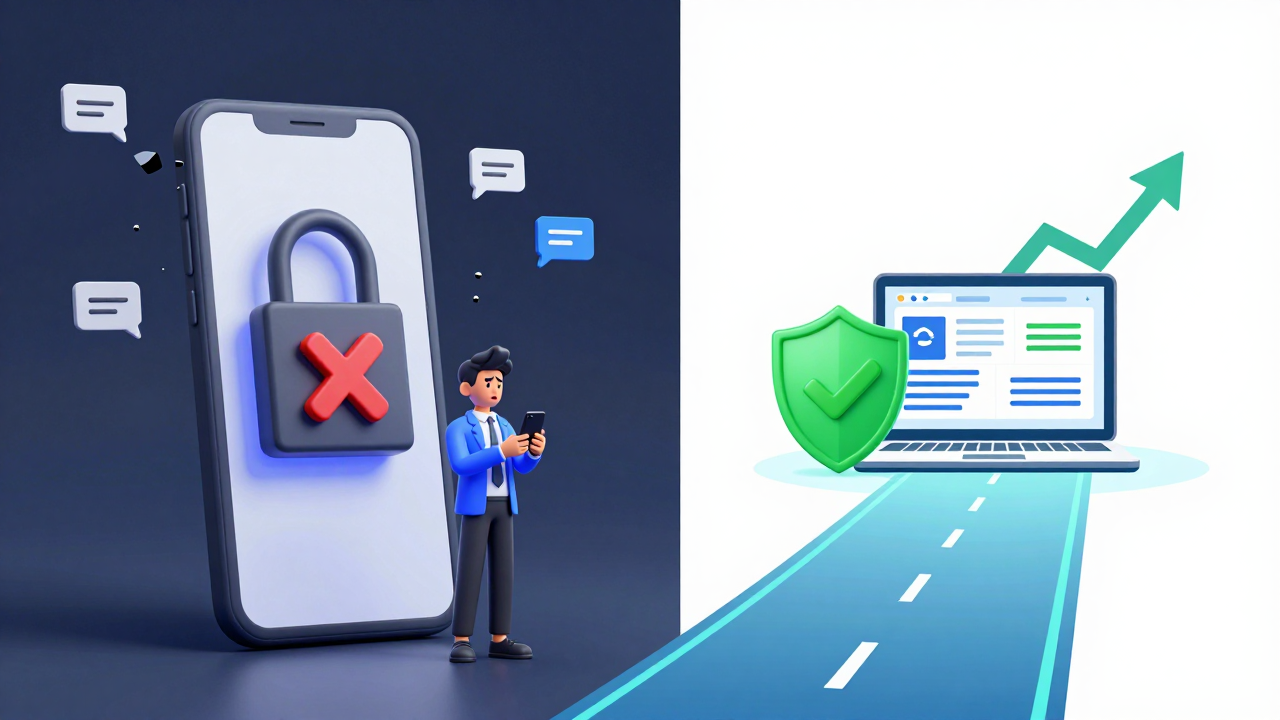
The industry has shifted away from the old "keep swapping numbers" approach toward a more reliable model: compliant number pools paired with dedicated SMS channels. Reputable providers work through direct carrier connections or international private lines, assigning each customer a unique, real number that hasn't been flagged by platform risk systems.
I've tested several of these services myself, and there's one detail that separates the good from the great: trustworthy platforms will honestly tell you whether a specific number supports verification codes for your target platform—instead of promising "100% success" across the board. For example, Getfollow runs a platform compatibility check before assigning a number. That kind of upfront diligence beats scrambling for a fix after the fact.
Of course, the market is full of providers promising "unlimited SMS receiving." But based on feedback from cross-border operators, these services often fall apart when platform risk controls get stricter. When evaluating providers, focus on whether their number inventory is exclusive and whether they maintain stable international routes—not just on the price tag.
How to Choose a Reliable SMS Verification Service
If you're tired of missing verification codes, these screening criteria will save you a lot of headaches.
- Number ownership clarity: Confirm whether numbers are dedicated or shared. Dedicated numbers are dramatically more stable and far less likely to be flagged.
- Traceable routing: Can the provider show you SMS delivery logs? Providers who share specific route information are usually more trustworthy.
- Platform compatibility testing: Legitimate services will tell you which platforms work well and which ones carry risk—before you pay.
- Responsive support: Verification issues demand real-time fixes. A provider's response time directly determines how long your business gets interrupted.
Platforms like Getfollow have built a solid reputation by following exactly this playbook: test first, assign second, monitor continuously. That said, I'd still recommend running a small pilot before committing to a long-term contract. Every cross-border team has different workflows and different verification needs.
Hidden Risks and How to Avoid Them
Handling SMS verification failures poorly can trigger a chain reaction of problems. The most obvious risk is account suspension or login restrictions. Then there's the security angle—intercepted verification codes can expose vulnerabilities. And here's a subtler trap: constantly switching numbers can trigger platform monitoring for "suspicious login behavior," which actually increases your chances of getting audited or flagged.
My advice is to build a backup system for receiving verification codes. Use a primary number for your core platform accounts, and keep a separate number for registrations and testing. Regularly check the health of your numbers, and if you notice a code isn't arriving, contact your provider immediately to troubleshoot—don't just blindly swap to a new number.
At the end of the day, missing SMS verification codes comes down to two things: channel quality and number compliance. Instead of bouncing between sketchy SMS-receiving sites, invest in a provider with real number inventory and solid technical infrastructure. That way, you can focus on growing your business instead of fighting to get into your own accounts. Remember: the verification code is just the front door. Long-term account security is what keeps your business standing.
Frequently Asked Questions
Why do I stop receiving SMS verification codes all of a sudden?
Sudden failures usually mean your number has been flagged by the platform's risk control system, or the international SMS route you're using has degraded. It's rarely random—something changed either in your number's reputation or in the carrier path.
Can I use virtual numbers to receive verification codes for Google or Meta accounts?
It's risky. Both Google and Meta actively track virtual number ranges and public SMS-receiving platforms. If they detect one, they'll block the verification code or flag your account for review. For business-critical accounts, always use a real, dedicated number.
How long does it take to resolve a blocked verification code issue?
It depends on the root cause. If it's a routing issue, a good provider can fix it within minutes. If your account has been flagged by the platform, you're looking at days or even weeks of appeal processes. That's why prevention—using compliant numbers from the start—is so important.
What's the difference between a shared number and a dedicated number for SMS verification?
A shared number is used by multiple people and has likely been flagged before—it's a liability. A dedicated number belongs exclusively to you and hasn't been exposed to platform risk controls. The stability difference is night and day, especially for high-value accounts.