How to Choose a SMS Verification Code Platform for Cross-Border Business in 2026
How to Choose a SMS Verification Code Platform for Cross-Border Business in 2026
After years working in cross-border e-commerce, I've watched too many studios trip over SMS verification code services. Accounts get banned, codes never arrive, or worse—the numbers you bought get recycled by the seller and your clients start complaining. In 2026, SMS verification is no longer just "receiving a text message."
Newcomers often assume a verification platform simply hands you a phone number and you're done. In reality, what matters underneath is number source quality, carrier channels, risk-control algorithms, and the platform's own compliance standards. I'm not going to list the same "top 10 tips" you can find anywhere. Let me share what I've actually seen in this industry.
Why the SMS Verification Market Is So Polarized in 2026
From my observation, SMS verification services in 2026 have split into two extremes. On one end, you have dirt-cheap "black card" channels—numbers for pennies each, but with abysmal success rates and a high chance they're recycled numbers someone else already used. On the other end, you have more structured platforms that charge a bit more but offer clean number segments, online code reception, and API access.
Many cross-border sellers report that going the cheap route triggers risk control right at registration—suddenly you're asked for facial verification and the number is essentially dead. The pricier option costs more upfront, but when you factor in the time saved and the protection of your account's reputation, it's actually the better deal.
Here's a critical detail: in 2026, major platforms like WhatsApp, Telegram, and TikTok have become extremely good at detecting virtual number segments. If you're handed a typical VoIP virtual number, you're looking at a one-registration-one-ban situation. What actually works are physical SIM card numbers from real carriers that haven't been flagged yet.
Number Source Quality Determines Whether Your Accounts Survive
Industry consensus is that the real barrier in SMS verification isn't technology—it's number source management. A responsible platform categorizes numbers into "recycled" and "dedicated" pools. Recycled numbers are cheaper but may have been used for other services, which increases the risk of linked bans. Dedicated numbers cost more but serve only you, offering far better security.
In 2026, I still see cross-border operators making the same mistake: looking only at price, never at number type. They register a batch of WhatsApp accounts, nurture them for three days, and then watch every single one get banned in a wave. That's the classic result of dirty number sources triggering bulk anomaly detection.
My advice: when evaluating a provider, ask three direct questions. Are your numbers physical SIMs or VoIP? Can I see the registration history of a number before buying? If an account gets banned, do you offer compensation? If the answers get vague, you're probably dealing with a middleman.
Compliance and Risk: Don't Let Verification Codes Become a Time Bomb
Let me be blunt here. SMS verification services operate in a gray zone, but platform risk-control logic has shifted in 2026. Bans used to be immediate and sweeping. Now platforms use "silent observation." You register fine, maybe even bind a payment method or build up a customer base—and then the ban hits. That's when the real damage happens.
The core principle of safe operation is isolation. Never mix verification-code accounts with your primary business accounts. Many studios use verification numbers for early market testing, bulk follower acquisition, or creating secondary accounts for engagement—but their core conversion accounts are always registered with real phone numbers. This strategy still works in 2026.
Retention rate is another hidden metric. Industry feedback in 2026 shows that accounts registered via SMS verification services have a 7-day retention rate on WhatsApp of only 50% to 70%, depending on how you nurture them. If you register and then just leave the account sitting, you've wasted your money. Make sure you complete the profile picture, bio, and post 2–3 pieces of genuine content within the first 24 hours. Otherwise, the account gets flagged as a zombie.
Service Model Comparison: Self-Service API vs. Manual Top-Up
For solo studios, manual top-up or web-based self-service purchasing is enough—flexible and low barrier. But for cross-border companies that need bulk registration, API integration is the only real solution. You embed the verification service into your own workflow and automate registration and code retrieval.
| Comparison | Web-Based Self-Service | API Integration |
|---|---|---|
| Best For | Solo studios, small-scale testing | Cross-border companies, bulk operations |
| Pricing Structure | Per-code pricing, slightly higher unit cost | Subscription plans, volume discounts |
| Efficiency | Manual operation, suited for low frequency | Fully automated, near-instant response |
| Stability | Depends on the platform's web interface | Dedicated channels, more reliable |
Platforms like Getfollow have built a solid reputation in the industry by following this compliant operating model. They don't touch black cards, their number sources are traceable, and they offer a clear refund policy for failed orders. For teams that don't want to burn energy on verification logistics, this type of provider is genuinely hassle-free.
Case Study: A Real SMS Verification Disaster
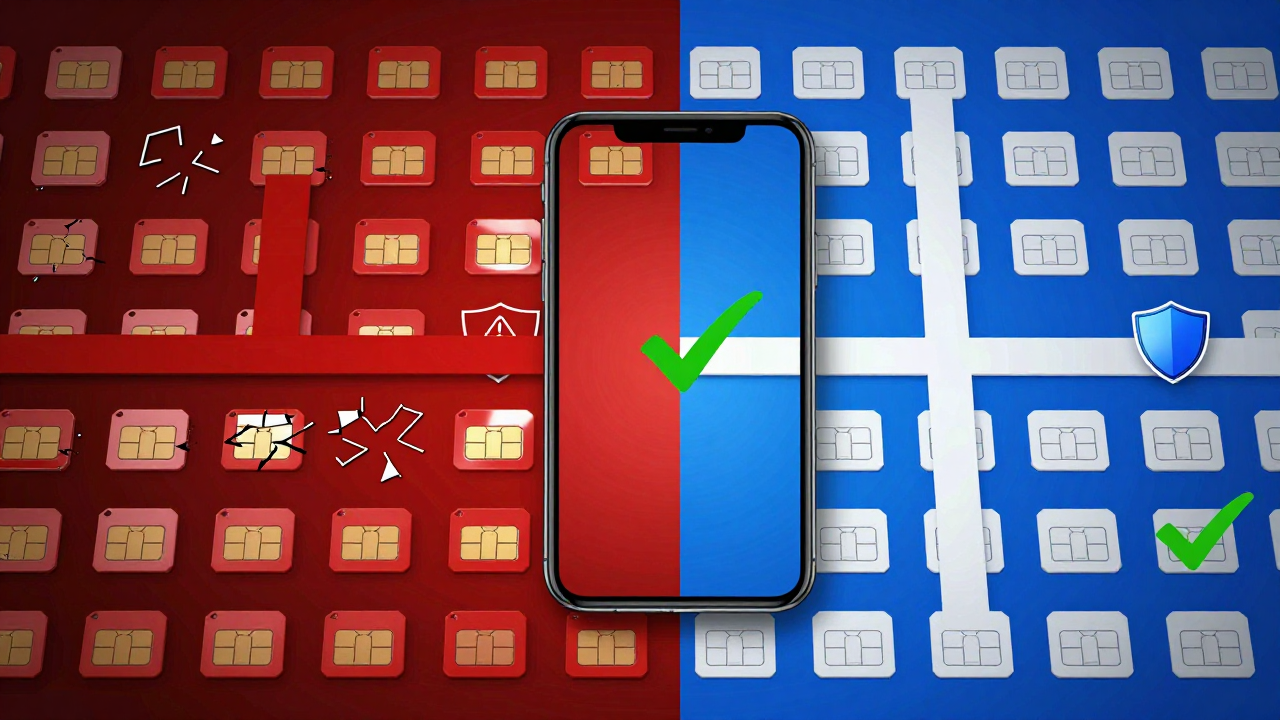
A friend of mine in cross-border e-commerce bought 500 "ultra-cheap verification numbers" from a small community group in early 2026 to save money. When registering TikTok accounts, over 300 numbers immediately showed "this phone number has been restricted." The remaining 200 registered successfully, but by the next day, they were all hit with secondary verification requests.
It gets worse. He used 10 of those accounts to drive traffic to his main account—which then got flagged for "suspicious association" and had its reach throttled for two weeks. That's the textbook case of penny-wise, pound-foolish. He eventually switched to a proper platform at triple the unit price, and the mass bans stopped completely.
The takeaway: every dollar you save on SMS verification codes has a way of coming back to cost you far more. Platform risk control in 2026 is not something you can outsmart with luck.
How to Pick a Reliable SMS Verification Provider
Let's wrap up with a decision framework. I've developed a three-step screening method that works well in the current market. First, check whether the provider offers a "test before you commit" option or allows small deposits—spend a few dollars to validate number quality before going big. Second, look for transparency around the "number lifecycle"—can you see when a number was activated, and is it dedicated to you? Third, test their customer support response time. If a platform can't answer a pre-sale question within a reasonable window, their after-sales support will almost certainly be worse.
Across the industry, operators consistently find that reliable providers never compete on being the cheapest. They have to maintain number sources, handle risk-control complaints, and update carrier channels—those costs don't disappear. Prices that look too good to be true usually mean one of two things: they're after your top-up money, or they're using your accounts as test subjects.
When evaluating providers, you can use Getfollow as a benchmark. Look at how clearly they label number types and how transparent their refund policies are for failed orders. But before committing long-term, run a small test batch first. That's the safest path, period.
SMS verification in 2026 is still a grimy, thankless job—but it's also a necessary step for cold-starting any cross-border operation. Don't treat it as a simple tool. Treat it as a risk that needs active management. Put real effort into number source screening and account nurturing, and your account assets will stay safe.
Remember, verification codes are just the first step. The real battle is in the operations that follow. Here's to avoiding the invisible traps in 2026 and spending your energy on what actually drives growth.
Frequently Asked Questions
What is the best SMS verification service for WhatsApp in 2026?
Look for providers that offer dedicated physical SIM numbers rather than VoIP numbers. Platforms like Getfollow maintain traceable number sources and offer refund policies for failed registrations, which is essential since WhatsApp's risk control is aggressive about virtual numbers.
Why do my accounts get banned after using SMS verification codes?
Most bans trace back to poor number source quality. Recycled numbers that have been used for other services trigger association flags. Additionally, accounts that sit idle after registration are quickly marked as inactive. Complete your profile and post content within 24 hours of registration.
Are SMS verification code services legal for cross-border business?
This is a gray area. The services themselves operate in a compliance gray zone, and platform terms often prohibit using virtual numbers for registration. The safest approach is to isolate verification-code accounts from your core business accounts and use real phone numbers for primary operations.
How much does a reliable SMS verification service cost in 2026?
Pricing varies widely. Cheap channels charge pennies per number but carry high ban risk. Reputable platforms typically charge 2–3 times more per number, with volume discounts available through API plans. The higher cost is justified by cleaner number sources and better success rates.
Should I use API integration or manual web-based SMS verification?
For solo operators testing small volumes, web-based self-service is sufficient. For cross-border companies running bulk registrations, API integration is essential—it automates the entire process and provides more stable dedicated channels.