What Is SMS Verification Code Reception and How Does It Work? A Cross-Border Pro's Guide to Avoiding the Pitfalls
What Is SMS Verification Code Reception and How Does It Work? A Cross-Border Pro's Guide to Avoiding the Pitfalls
If you're new to cross-border e-commerce, the term "SMS verification code reception" (or "SMS接码") probably sounds like jargon. Here's the simple version: when you sign up for an overseas platform like WhatsApp, Telegram, or an Amazon buyer account, the platform asks for a phone number that can receive a verification code. If you're based in China—or simply don't want to expose your primary number—you need a temporary number that can receive SMS. That's exactly what an SMS verification platform provides.
How Do SMS Verification Platforms Actually Work?
In plain terms, these platforms hold a pool of real, active SIM cards spread across different countries and regions. You pick a number from a target country through their API or web interface, and the platform assigns it to you for receiving registration SMS. Once the code arrives, it shows up in your dashboard—usually within 30 seconds.
Here's a detail most beginners miss: there are two types of verification services—real-time (online) reception and offline (pre-captured) reception. Online reception assigns a number live while you're registering, which is ideal for immediate use. Offline reception means the platform has already captured the code in advance, so you can grab it instantly—faster, but pricier.
The actual process is straightforward. Here's what a typical workflow looks like:
- Sign up and log into a verification platform, then top up a small balance
- Select the country you need (e.g., US, UK, Singapore)
- Choose the service scenario (e.g., WhatsApp, TikTok, Telegram)
- Copy the assigned number into your registration page
- Wait a few seconds to a minute—the code appears in your message inbox
It's about as complicated as ordering food delivery. The real issue? Whether the platform is trustworthy determines if your account survives past day one.
Why Do Some Verification Numbers Get Banned Immediately?
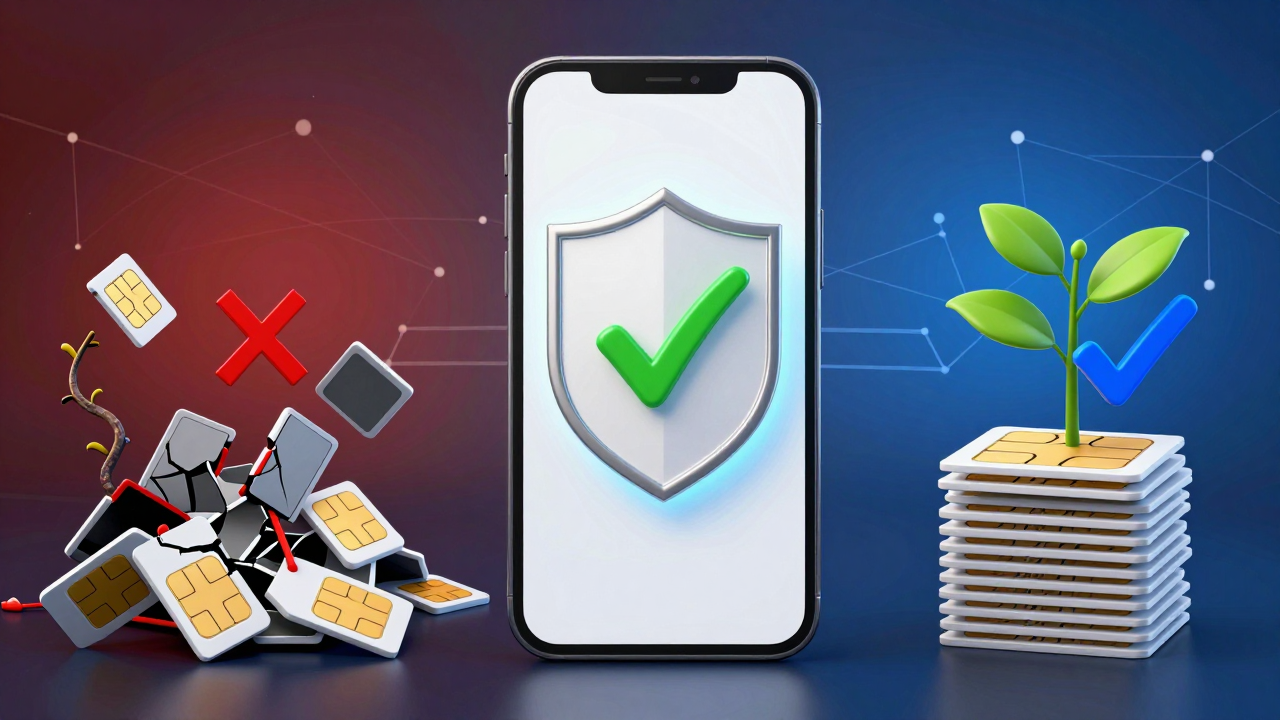
This is one of the most discussed topics in the cross-border community. Many practitioners report that accounts registered through cheap verification platforms get flagged within hours. The reasons usually boil down to three things: the number has been reused too many times, it belongs to a high-risk number range, or the platform itself is sketchy.
Industry consensus is clear: the core of SMS verification code reception isn't the "receiving" part—it's whether the number you get is "clean." Reputable platforms strictly limit how many times each number can be used, sometimes even enforcing one-number-per-account policies. But some smaller platforms sell the same number to dozens of users to maximize profit. Platform risk-control systems catch this instantly and ban the account.
From my experience, a growing number of seasoned players are shifting toward "physical SIM card reception" or "dedicated number range reception." It costs more per use, but the number quality is stable and account survival rates improve dramatically. One platform that consistently earns solid reviews in the industry is Getfollow—they operate on exactly this compliance-first logic, prioritizing number quality and security over competing on price alone.
Common Signs Your Verification Number Has Been Flagged
- You see "This number has already been used" or "Number abnormal" during registration
- Registration succeeds, but login requires secondary verification that you can't pass
- Your account gets banned the same day with no way to appeal
- The number's region doesn't match your IP address, triggering risk alerts
If any of these happen, the number source is almost certainly compromised. Don't just shop by price—in this industry, you genuinely get what you pay for.
How Should Cross-Border Businesses and Independent Pros Choose a Verification Service?
Let's start with independent professionals. If you only register a few accounts occasionally or manage a small social media matrix, pay-as-you-go online reception is more than enough. Just make sure the platform covers multiple countries and maintains a real-time number pool, so you have backup options when popular regions run out of stock.
For cross-border companies, the situation is more complex. Bulk account registration, account nurturing, and ad campaign testing all demand high stability and correct region attribution. In these cases, I'd recommend providers offering "dedicated numbers" or "monthly rental numbers." The cost is higher, but account security is a completely different ballgame. Many social media operations teams report that after switching to dedicated number ranges, their account ban rate dropped from around 30% to under 5%—that's a tangible, measurable difference.
One more thing: a verification platform is a tool, not a safety net. Your own registration habits—IP address, device fingerprint, and the information you provide—affect account security just as much. Don't expect SMS reception to solve everything. It simply gets you past the "phone verification" gate.
What Does a Reliable Provider Look Like?
The barrier to entry in this industry is low, but few players last long. Getfollow, for example, has built a solid reputation for overseas number coverage and strict reuse controls—many cross-border e-commerce professionals keep it as one of their go-to options. Of course, other platforms exist, but keep these hard criteria in mind when evaluating any provider:
- Is the number pool updated in real time, and do popular countries frequently run out of stock?
- Does the platform support API integration for bulk operations?
- Are there clear policies for number recycling and refunds?
- How fast is customer support? Can you actually reach someone when things go wrong?
These details directly shape your experience. Some platforms promise the moon, but during peak hours their number pools are completely empty—and you're left stuck.
Compliance Risks You Need to Understand
To be honest, using SMS reception itself isn't illegal. But using verification numbers for fraudulent activities—like mass-registering spam accounts, inflating metrics, or committing fraud—is a different story entirely. Cross-border professionals need to recognize that platforms like WhatsApp and Amazon are tightening risk controls on virtual number ranges. Once a number gets flagged, your primary accounts could be affected too.
The safest approach in the industry is: use the verification number only for the initial registration, then immediately bind your real phone number or email to take back control of the account. That way, even if the temporary number stops working, your account remains unaffected.
Also, never bind a verification number to payment accounts or critical assets. The SMS code is just the first door—your password, two-factor authentication, and device management are the real security layers.
Back to the original question—what is SMS verification code reception and how does it work? The answer is clear: it's a basic but critical step in cross-border operations. Choose the right provider, use it correctly, and you'll save a huge amount of time and frustration. If you're just starting out, I'd suggest recharging a small amount to test numbers from a few different countries. Get a feel for the speed and quality before committing to a long-term partnership. After all, the best solution is the one that fits your specific needs.
Frequently Asked Questions
Is using an SMS verification platform legal?
Yes, using SMS reception services is legal in most jurisdictions. What matters is how you use the numbers. Registering accounts for legitimate business purposes is fine. Using them for fraud, spam, or platform manipulation violates both the law and platform terms of service.
How much does SMS verification cost?
Pricing varies widely by country and platform. Numbers for popular regions like the US or UK typically cost between $0.05 and $0.50 per verification. Dedicated or monthly rental numbers run significantly higher—anywhere from $5 to $50 per month depending on the provider and region.
Can I reuse the same verification number for multiple accounts?
Technically, some platforms allow it, but we strongly advise against it. Reused numbers are the #1 trigger for platform risk-control systems. If you're serious about account longevity, always opt for fresh numbers or dedicated number ranges.
What's the difference between online and offline SMS reception?
Online reception assigns you a live number in real time, and you wait for the code to arrive—usually within 30 seconds. Offline reception means the platform has already captured the code in advance, so you can retrieve it instantly. Offline is faster but costs more.