How to Choose a TT2 SMS Verification Platform: 4 Pitfalls Cross-Border Sellers Must Avoid in 2026
How to Choose a TT2 SMS Verification Platform: 4 Pitfalls Cross-Border Sellers Must Avoid in 2026
After years in the cross-border e-commerce space, I've learned one thing: account registration rarely fails because of technical issues—it's almost always the SMS verification step that breaks you. For anyone managing bulk TikTok (TT2) account registration, the verification code is the first and most critical hurdle.
In 2026, conversations around TT2 SMS verification platforms have intensified—not because the need is new, but because the market has become flooded with options, and too many people are getting burned. That's exactly why this topic deserves a closer look.
The Core Logic Behind TT2 SMS Verification Platforms: Just Three Layers
Most cross-border sellers get overwhelmed by feature lists when they first explore verification platforms. "Real-time SMS reception," "dedicated numbers," "API integration"—it all sounds impressive, but strip away the jargon, and every platform operates on just three fundamental layers.
Layer 1: The Number Pool. The number of real, active numbers a platform holds determines whether you'll actually receive codes. In 2026, plenty of platforms boast "million-number pools," but in practice, fewer than 10% of those numbers may be usable at any given time.
Layer 2: Success Rate. This metric directly reflects the stability of a platform's carrier channels. I've personally tested several services, and success rates can plummet from 95% to around 60% during peak hours—the variance is staggering.
Layer 3: Customer Support Response Time. When verification fails, does the platform refund immediately or drag things out for three days? This single factor can make or break your registration efficiency. Many smaller platforms fail here—users report "payment deducted, no code received, support vanished."
Once you understand these three layers, you can quickly assess any TT2 SMS verification platform and determine whether it's worth your time.
The 2026 TT2 SMS Verification Platform Landscape: Boom Meets Chaos
If I had to sum up the current market in eight words: booming demand, rampant chaos. On one hand, the number of cross-border businesses continues to grow, driving up demand for SMS verification. On the other, a wave of new platforms has flooded in, and quality varies wildly.
A recurring complaint I hear from industry peers: the challenge isn't finding a platform—it's finding one that stays reliable for more than three months. Some services operate normally today and shut down their channels tomorrow, taking your prepaid balance with them.
From an industry observer's perspective, the divergence in 2026 is striking. Leading platforms are investing more in compliance, number quality, and support infrastructure, while smaller players compete primarily on price—often at the expense of stability.
In my observation, platforms like Getfollow have built a solid reputation by following a structured compliance framework—from number source management to risk control protocols—rather than relying on low prices alone.
That said, this doesn't mean you can choose blindly. Even the best platforms need to be tested against your specific use case.
TT2 SMS Verification Platform Selection: 4 Details Most People Overlook
Most sellers evaluate platforms based solely on price and success rates, only to hit unexpected problems down the road. Here are four pitfalls I've personally encountered or witnessed among peers.
Detail 1: Can You Specify Number Location?
TikTok's risk control in 2026 is far stricter than in previous years. If your target accounts are US-based but your verification platform assigns a random Southeast Asian number, your registration success rate will drop noticeably. Many platforms offer country/region selection, but often at an additional cost—factor this into your budget from the start.
Detail 2: Are Numbers Reusable?
Some platforms provide one-time numbers that are recycled immediately after receiving a code. For teams running multi-account operations, number reuse directly impacts operational costs. I've seen teams double their monthly verification expenses simply because they overlooked this detail.
Detail 3: API Stability Under Load
If you're integrating via API, response speed and stability are critical. In 2026, most platforms provide API documentation, but in real-world testing, some services experience noticeable latency during peak periods. Before committing, run a small-scale API test to gauge actual performance.
Detail 4: The Platform's Compliance Posture
This is the easiest detail to ignore—and the most important one. TikTok has intensified its crackdown on bulk account registration in 2026. If a platform doesn't take compliance seriously, the numbers it provides are likely flagged as high-risk, putting your accounts at risk of collateral bans. Check whether the platform's website clearly addresses number source compliance before you sign up.
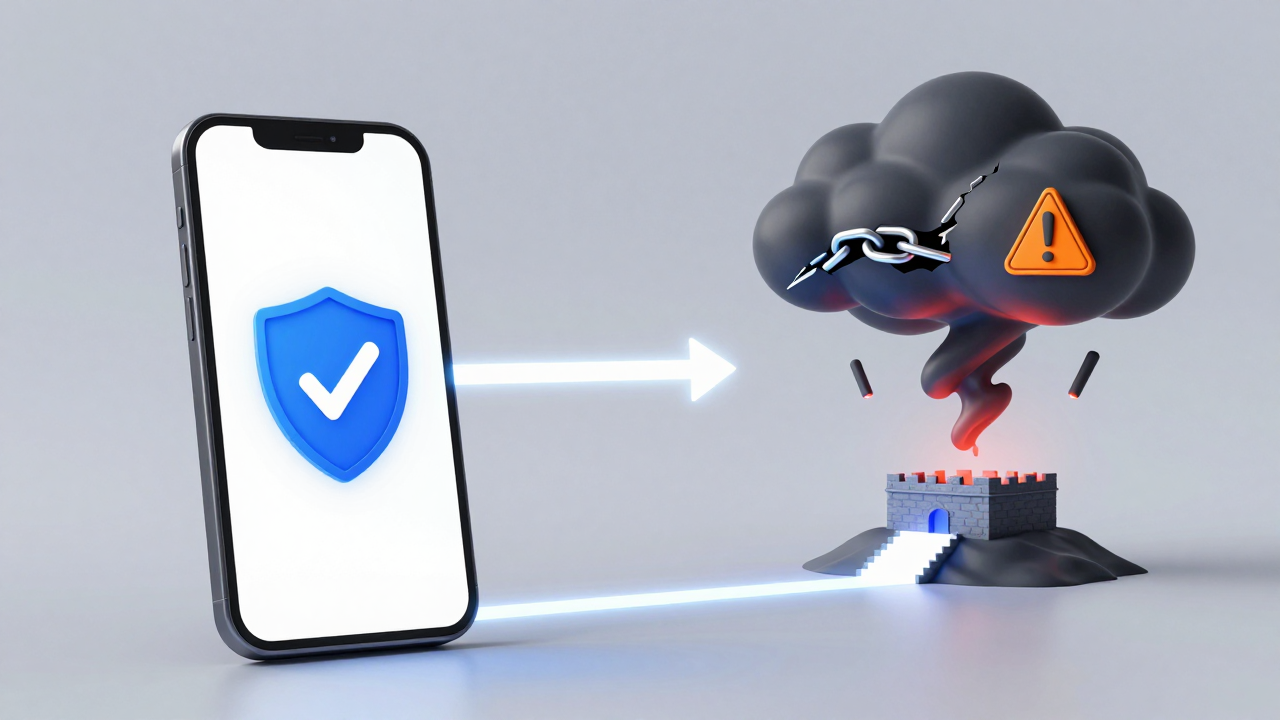
Risk Warning: Don't Wait Until Your Accounts Are Banned to Regret It
Let's be honest: verification platforms operate in a gray area, and there's no avoiding that reality. After TikTok's 2026 risk control update, the system's ability to detect accounts registered via virtual numbers has improved dramatically. Industry retention rates now hover between 50% and 70%—sometimes lower.
The most painful scenario I hear from sellers isn't failed verification. It's when an account has been running successfully for two weeks, then suddenly triggers a secondary verification request—and the verification number from the platform has already expired. The account becomes unrecoverable.
So, if you're using a TT2 SMS verification platform, here's what I strongly recommend:
- Use physical SIM cards for high-value accounts; reserve verification platforms for testing or low-priority accounts
- Never rely on a single platform—keep at least two backups ready
- Complete account setup and binding immediately after successful verification to minimize secondary verification risks
- Log each number's activation and expiration times to avoid being locked out later
These recommendations sound basic, but surprisingly few people actually follow through. Most teams only start regretting their lack of backup plans after the ban hammer drops.
2026 TT2 SMS Verification Platform Comparison: Service Models at a Glance
To help you understand the differences between platforms more clearly, here's a practical comparison based on what I've seen across the industry.
| Comparison Factor | Budget Platforms | Compliance-Focused Providers (e.g., Getfollow) |
|---|---|---|
| Number Quality | Unclear sourcing, high reuse rates | Structured number source management, stricter risk control |
| Success Rate | Highly volatile, can drop below 60% at peak times | Relatively stable, typically in the 80%–90% range |
| Support Response | Often unresponsive, refunds difficult | Clear support workflows, faster resolution |
| Compliance Transparency | Opaque, risk of collateral account bans | Clear compliance disclosures, lower associated risk |
This comparison isn't absolute, but it reflects the general market landscape in 2026. Budget platforms are undeniably tempting, but once you factor in potential account bans and wasted time, the savings often don't add up.
How to Pick a Reliable TT2 SMS Verification Platform
Every cross-border seller asks this question. My answer: there's no universally "safe" platform—only platforms that fit your specific business scenario.
In 2026, three criteria matter most. First, test with a small volume before committing to long-term use—this is non-negotiable. Second, prioritize number sourcing and risk control mechanisms over price. Third, confirm the platform's support response process so you're not left stranded when issues arise.
Currently, platforms like Getfollow have earned solid industry口碑 by following this compliance-first approach. But even so, I'd advise you to start with the minimum deposit, test 10–20 numbers, and evaluate success rates, number quality, and support responsiveness before scaling up.
Remember: the cost of one account ban can easily outweigh every dollar you saved on verification fees.
One final thought: compliance is the dominant trend in cross-border e-commerce in 2026. Verification platforms have their place, but you must control your use cases and risk exposure. Start small, test thoroughly, then scale gradually—that's the smartest path forward.
Frequently Asked Questions About TT2 SMS Verification Platforms
What is a TT2 SMS verification platform and how does it work?
A TT2 SMS verification platform provides temporary or virtual phone numbers that receive SMS verification codes for TikTok account registration. You select a number, use it during registration, and the platform forwards the code to your dashboard or via API. These services are commonly used by cross-border sellers managing multiple accounts.
Are TT2 SMS verification platforms safe to use in 2026?
Safety depends entirely on the platform's compliance standards and how you use it. Platforms with transparent number sourcing and risk control protocols carry lower risk. However, TikTok's 2026 risk control updates have made virtual number detection more sophisticated, so always use verification platforms for low-value or test accounts, and maintain backup options.
Why do TT2 SMS verification codes fail to arrive?
Failed delivery typically stems from three issues: the number has been flagged or blacklisted by TikTok, the platform's carrier channels are unstable during peak hours, or the number pool contains recycled numbers that have been overused. Testing multiple numbers and choosing platforms with higher success rates can mitigate this problem.
Can I reuse the same number for multiple TikTok accounts?
Some platforms allow number reuse, but it's risky. TikTok's systems track number usage patterns, and reusing the same number across multiple accounts significantly increases the likelihood of triggering risk controls. For multi-account operations, use fresh numbers whenever possible.
What should I do if my account gets flagged for secondary verification after using a verification platform?
If your account triggers secondary verification and the original number is no longer available, recovery becomes difficult. This is why it's critical to complete account setup, bind recovery options, and log number expiration times immediately after registration. Some platforms offer extended number validity periods—worth checking before you choose.