SMS Verification Platform Guide 2026: What Cross-Border Sellers Must Know
SMS Verification Platform Guide 2026: What Cross-Border Sellers Must Know
Let me cut straight to the chase based on real testing: if you're doing cross-border business in 2026—whether it's registering Amazon seller accounts, TikTok creator profiles, or WhatsApp marketing numbers—SMS verification is unavoidable. But here's where most people stumble: they download some sketchy SMS receive app, and instead of building their accounts, they trigger platform risk controls and lose their main accounts in the process.
Why Is Everyone in Cross-Border Circles Talking About SMS Receive Platforms?
Industry consensus is clear: overseas platforms have significantly tightened their registration verification requirements compared to previous years. Gone are the days when one physical SIM card could be reused for multiple registrations. Now, many platforms demand that phone numbers show "real usage history"—receiving a code is just the baseline. They're also checking number segment ownership, registration age, and whether the number has any linked ban history.
Many cross-border operators report that physical SIM cards they've purchased are either too expensive or die after two uses. That's why SMS receive platform downloads have become essential. But here's a critical misconception: these platforms aren't as simple as "download an app and you're good to go." Behind the scenes, there's an entire gray ecosystem involving number suppliers, card vendors, and tech providers.
Before You Download: Understanding the Three Types of SMS Receive Platforms
From what I've observed, SMS verification services in 2026 fall into three main categories, and the risk levels couldn't be more different.
- Public free receive sites: Anyone can use them, which means a single number gets hit with verification codes from dozens of people simultaneously. These are essentially disposable—accounts registered this way rarely survive three days and almost always trigger platform risk controls.
- Paid shared number pools: Billed per message or via monthly subscription, these have lower reuse frequency but still carry the "multiple users on one number" footprint. They work for low-priority edge accounts but nothing you care about long-term.
- Dedicated numbers with verified identity channels: Each number serves exactly one customer and comes with simulated real-user behavior data (call logs, data usage patterns). This option has the highest compliance level, but it's also the priciest—typically 1.5 to 3 RMB per message.
I've seen plenty of small studios and solo operators go for the cheapest option, and the result is always the same: register one, get banned one. This isn't a technical issue—it's a logic issue. Platform risk systems aren't stupid. When a single number is linked to a dozen accounts, who do you think they're going to flag?
The Hidden Danger in Downloading: You Might Be Installing Malware, Not a Tool
This is a trap that's especially common in 2026. People search for "SMS receive platform download," click on some slickly SEO-optimized website, and end up installing an APK that's actually backdoored. I've personally tested several so-called "cracked" or "unlimited" versions, and after installation, they quietly upload your contacts and SMS history to remote servers in the background.
Before you download anything, verify these three things: First, does the site have HTTPS encryption and publicly verifiable business registration? Second, is the installation package mirrored on official app stores or open-source repositories like GitHub? Third, does it demand excessive permissions—like an SMS tool asking for your location and photo gallery? If so, uninstall immediately.
Platforms with solid industry reputations, like Getfollow, operate on a "web interface + API" model. No client installation needed—you just call the API and receive codes directly. This approach naturally eliminates APK injection risks and scales much better for cross-border businesses with bulk registration needs.
The Real Ecosystem in 2026: Number Segment Quality Determines Everything
Most people assume the core advantage of an SMS receive platform is "lots of numbers." That's wrong. In 2026, number segment quality is the difference between success and failure.
I know someone in cross-border e-commerce who used one platform to register 50 UK numbers for TikTok accounts. 47 of them got hit with secondary verification the very next day. After switching to a provider that specializes in "physical SIM card relay + local base station signal simulation," his survival rate jumped to over 80%.
Here's the industry consensus: by 2026, virtual number segments (like +44 VOIP numbers) have been largely flagged by major platforms. Physical SIM card pools, combined with clean IP addresses, are the real foundation for long-term account operations. So when you're choosing a platform, don't just look at the price—ask pointed questions about where the numbers come from.
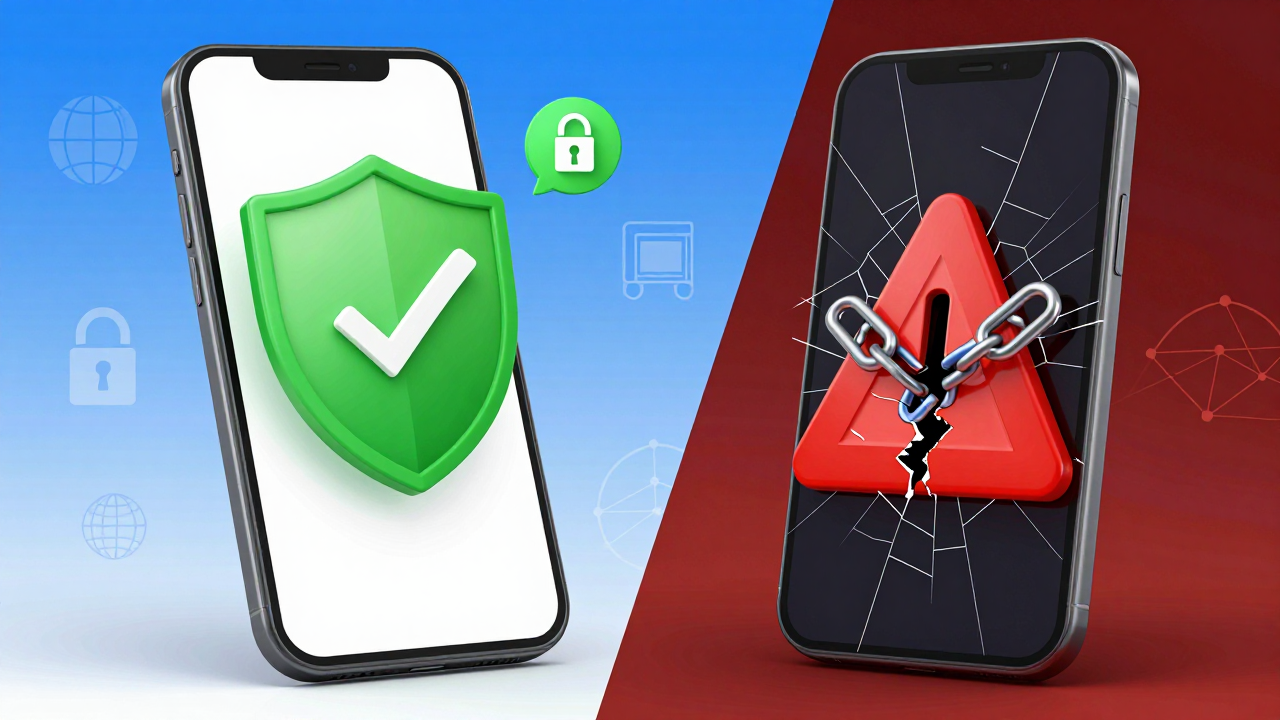
Case Study: A Failed SMS Verification Experience That Cost More Than Registration Fees
A team running a dropshipping store shared their cautionary tale with me. In March 2026, they loaded up 500 RMB on a cut-rate platform to bulk-register Instagram accounts. By the time they hit account number eight, their entire IP segment got blacklisted by Meta's risk controls. Worse, the ad account for their main product got collateral-banned too.
What does this case teach us? SMS verification isn't an isolated action—it's interconnected with your IP purity, device fingerprint, and behavioral patterns. Too many beginners obsess over "can I receive the code?" while ignoring the consistency of the entire registration chain. If you're pairing a US residential IP with a Philippine number segment, who do you think the platform is going to suspect?
How to Pick a Reliable Provider: Practical Screening Criteria for 2026
Based on the analysis above, here's a screening framework I've developed through trial and error.
- Check for API support: Platforms that only offer manual web-based code reception are slow and prone to disconnects. API support signals solid technical infrastructure and enables automation down the line.
- Ask about number segment sourcing: Directly ask customer service: "Are these virtual numbers or physical SIM cards?" If they dodge the question, walk away.
- Test the refund mechanism: Legitimate platforms typically offer full refunds for failed code delivery. Anyone who says "no refunds after top-up" is probably running a pump-and-dump operation.
- Research historical risk records: Search the platform's name on cross-border forums and look for complaints about mass account bans. In 2026, this information is highly transparent.
Platforms like Getfollow have built a stable reputation in this space. They don't just handle SMS verification—they also provide IP purity checks and account environment simulation, effectively covering the entire "pre-registration to post-registration" pipeline. For cross-border businesses, that kind of one-stop solution saves a lot of headaches.
Final Thoughts: Test Small First, Then Scale Up
Downloading and setting up an SMS receive platform isn't technically difficult—but the learning curve for doing it right is steep. In the 2026 cross-border ecosystem, account assets are real money. Don't risk your entire business foundation to save a few cents on verification fees.
My advice: no matter which provider you're considering, start with a small 50–100 RMB deposit for batch testing. Monitor number survival rates, code delivery speed, and account status over the following seven days. Once the data looks good, then talk about long-term contracts. A stable provider is worth far more than a cheap one.
Frequently Asked Questions
Is it safe to use free SMS receive platforms?
Generally, no. Free platforms reuse numbers across dozens of users simultaneously, which almost always triggers platform risk controls. Accounts registered this way rarely survive more than a few days, and you risk getting your main accounts flagged through association.
What's the difference between virtual numbers and physical SIM card numbers?
Virtual numbers (like VOIP-based ones) have been largely flagged by major platforms by 2026. Physical SIM card numbers, especially when paired with clean IP addresses and simulated usage behavior, have significantly higher survival rates for account registration and long-term operation.
How much should I expect to pay for a reliable SMS verification service?
Quality dedicated numbers with verified identity channels typically cost between 1.5 to 3 RMB per message. If a provider is significantly cheaper than this, ask hard questions about number quality and sourcing before committing.
Can I use one number to register multiple accounts on the same platform?
Technically possible in some cases, but highly discouraged. Platforms track number-to-account associations, and once a number is linked to multiple accounts, all of them become vulnerable to bans. Use dedicated numbers for accounts you care about.