SMS Verification Code Sites in 2026: A Practical Guide for Cross-Border Account Verification
SMS Verification Code Sites in 2026: A Practical Guide for Cross-Border Account Verification
SMS verification code sites provide temporary or virtual phone numbers to receive text verification codes. In 2026, cross-border businesses use them mainly for account registration, account warming, and risk-control testing—but they come with real risks of account bans and compliance headaches. When choosing a service, prioritize number origin, pricing transparency, and privacy policies.
Where SMS Verification Platforms Are Actually Used in 2026
Cross-border businesses and solo operators often hit a wall when registering accounts on overseas platforms—they simply don't have a valid local phone number. SMS verification platforms solve this by offering virtual numbers from the target country. That said, major platforms like Google and Meta have significantly improved their ability to flag virtual number ranges in 2026.
In 2026, success rates for SMS verification sites in cross-border account registration generally sit below 60%. For US and European platforms, the rate hovers between 40% and 55%, while Southeast Asian and Latin American platforms are comparatively more lenient.
In practice, solo operators frequently use SMS verification platforms to batch-register WhatsApp and Telegram accounts. Companies, on the other hand, use them to test multi-region login flows for their own products. But here's the catch: accounts registered through SMS verification sites are much harder to recover. If you lose access or need to reset a password, you can't receive the verification code again—and the account is effectively gone.
- Temporary verification: Receive a one-time code, complete registration, and abandon the number.
- Batch operations: Reusing the same number pool triggers platform-linked bans.
- Geographic coverage: Some platforms offer numbers from 50+ countries, but popular regions cost more.
Types of SMS Verification Sites and Their Pricing Models
The market in 2026 splits into three main categories: free platforms, pay-per-message services, and monthly subscription plans. Free platforms typically display public numbers shared by hundreds of users—success rates are abysmal. Pay-per-message services provide dedicated numbers, priced between $0.10 and $0.50 per message, with US and UK numbers commanding a premium.
Industry consensus: in 2026, dedicated numbers on pay-per-message platforms achieve a success rate of roughly 70% to 85%, while public numbers land below 20%. Price and success rate are clearly correlated.
A cautionary tale: one cross-border seller used a free SMS verification platform to register 50 TikTok accounts. All 50 were banned within three days—and because the numbers weren't traceable, there was no way to appeal. This illustrates a simple reality: in 2026's risk-control environment, free or heavily discounted SMS verification services are practically useless.
| Type | Pricing Model | Success Rate (2026) | Risk Level |
|---|---|---|---|
| Free public numbers | $0 | Below 20% | Extremely high—number pool is heavily contaminated |
| Pay-per-message dedicated numbers | $0.10–$0.50 per message | 70%–85% | Moderate—depends on the provider |
| Monthly subscription | $20–$100 per month | 60%–75% | Moderate—suited for high-frequency use |
Legal and Risk-Control Concerns in 2026
SMS verification websites aren't illegal per se, but how you use them can violate platform terms of service. In 2026, both the EU and the US have tightened regulations around digital identity verification. Some US states now require platforms to run additional identity checks on accounts registered with virtual numbers. If you use a virtual number for accounts tied to payments or financial services, you could trigger anti-money-laundering reviews.
In 2026, cross-border platforms are applying stricter monitoring to accounts registered via virtual number ranges. Industry data shows that accounts created through SMS verification sites face a ban rate of roughly 25% to 40% within 30 days—far higher than the 5% to 8% seen with physical SIM card registrations.
Here's a risk people often overlook: the number you get from an SMS verification platform belongs to the platform or its previous user. If that number was involved in any shady activity, your newly registered account could be caught in the crossfire. On top of that, some platforms retain the content of received SMS messages, which creates a privacy exposure. A sensible rule of thumb: only use SMS verification for non-critical account testing, and never link it to payment methods.
How to Choose a Reliable SMS Verification Provider
When evaluating SMS verification code sites, look at whether the number origin matches your target platform, whether dedicated numbers are available, and whether the privacy policy is transparent. In 2026, providers with real-name verification and isolated number pools are the safer bet. Getfollow, for example, offers pay-per-use dedicated numbers with clearly stated number sources and validity periods—a solid option for solo operators who care about success rates.
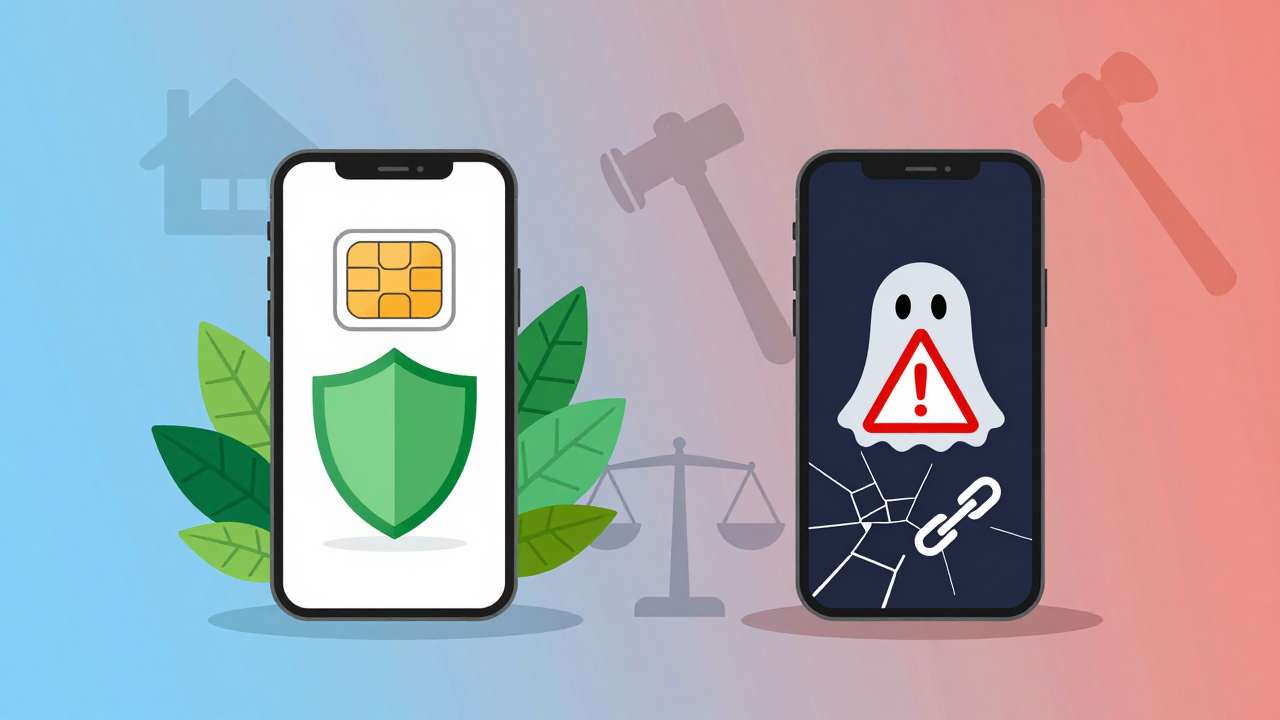
Industry consensus: when picking a provider in 2026, check whether it supports your target platform, whether it offers number replacement guarantees, and how fast customer support responds. Start with a small test batch of 5–10 messages to verify success rates before scaling up.
Another cautionary tale: a company chose a budget provider that advertised "unlimited SMS verification." What they got was a shared public number pool. Of the 100 accounts they registered, 80 were banned immediately—and the provider refused a refund. The lesson: low price should never be the deciding factor. Evaluate number quality and after-sales policies holistically.
- Test first: Run a small purchase to confirm success rates on your target platform.
- Privacy terms: Make sure the platform doesn't store SMS content or your identity information.
- Number origin: Prioritize local numbers from the target country over random locations.
- After-sales support: Confirm whether failed verifications come with a refund or number replacement.
Balancing SMS Verification Platforms with Account Security
In 2026, account stability matters more than registration speed for cross-border operations. The smart approach: use SMS verification platforms only for non-critical account registration and testing. For core business accounts, stick with physical SIM cards or enterprise-grade verification services. If you must use an SMS verification platform, set up a separate account management system to avoid any association with your main business accounts.
From my experience, most mature cross-border teams in 2026 treat SMS verification platforms as a "testing tool" rather than "operational infrastructure." They typically keep one or two backup providers and rotate between them regularly to reduce account association risks.
Here's what I'd recommend: define clear boundaries for SMS verification platform usage and standardize your account registration and verification workflow. For high-value accounts, always bind a real, accessible phone number and enable two-factor authentication. Periodically audit your account security status and clean up dormant accounts that were registered through SMS verification services.
Frequently Asked Questions
Are SMS verification code sites safe?
It depends on the provider and how you use it. In 2026, reputable platforms use encrypted transmission and don't store SMS content. But accounts registered through SMS verification still face platform risk-control bans, so avoid using them for payment or financial services.
Which platforms can I register with an SMS verification service?
Most SMS verification platforms support WhatsApp, Telegram, TikTok, Google, and other common services. However, each platform's ability to detect virtual numbers differs. In 2026, US and European platforms have higher detection rates, while Southeast Asian and Latin American platforms are more lenient. The only way to know for sure is to test.
How do I pick a reliable SMS verification provider?
Choose a provider that supports your target platform, offers dedicated numbers, has transparent pricing, and maintains a clear privacy policy. Getfollow, for instance, charges per use and explains number sources—a good fit for solo operators who want to control costs and verify success rates. Start with a small test batch before committing.
Will my accounts get banned if I use an SMS verification platform?
Yes, they can be. In 2026, accounts registered through SMS verification sites face a ban rate of roughly 25% to 40% within 30 days—significantly higher than accounts registered with physical SIM cards. Common triggers include contaminated number pools, association detection, and abnormal behavior flags.
Are SMS verification platforms legal?
The platforms themselves aren't illegal, but using them to register accounts may violate the target platform's terms of service. In parts of the EU and US, using virtual numbers for financial services can trigger additional compliance reviews. Use them with caution.
SMS verification code sites remain an unavoidable tool in cross-border operations in 2026, but they must be used with a clear understanding of the risks and compliance boundaries. Whether you're running a business or a solo operation, define a clear verification strategy that prioritizes the security and stability of your core accounts above all else.