How to Cancel US Virtual Number SMS Services: 2026 Complete Guide & Account Cleanup Checklist
How to Cancel US Virtual Number SMS Services: 2026 Complete Guide & Account Cleanup Checklist
Wondering how to cancel your US virtual number SMS service? The short answer: log into your platform dashboard, turn off auto-renewal, remove payment methods, release any assigned US numbers, and either close your account or request number recycling. If you purchased through a reseller, you'll need to contact them directly to complete the cancellation. The whole process typically takes 10–30 minutes, though accounts tied to active business operations require extra preparation.
Why So Many Users Are Canceling US Virtual Number Services in 2026
Major US platforms have significantly tightened their virtual number detection in 2026. WhatsApp, Telegram, and Amazon have all updated their verification protocols, leading to a wave of account locks and bans for users who registered with virtual numbers. Industry observers estimate that account survival rates for virtual-number registrations have dropped to 40–60% this year—a sharp decline from previous years.
In 2026, major US platforms have universally strengthened their ability to detect virtual numbers, leaving accounts registered through SMS reception platforms facing higher verification failure rates and ban risks. For cross-border businesses and independent operators who depend on these accounts, canceling virtual number services and moving to compliant number solutions is a practical way to reduce business disruption.
From my experience working with cross-border operators, there are three main reasons people are canceling: accounts getting mass-banned and interrupting operations, rising costs as platforms tighten policies, and compliance teams requiring the cleanup of virtual number assets. Whatever your reason, the cancellation itself is straightforward—the tricky part is migrating your numbers and keeping your business running smoothly afterward.
Three Ways to Cancel US Virtual Number SMS Services
Option 1: Self-Service Cancellation via Platform Dashboard (Direct Users)
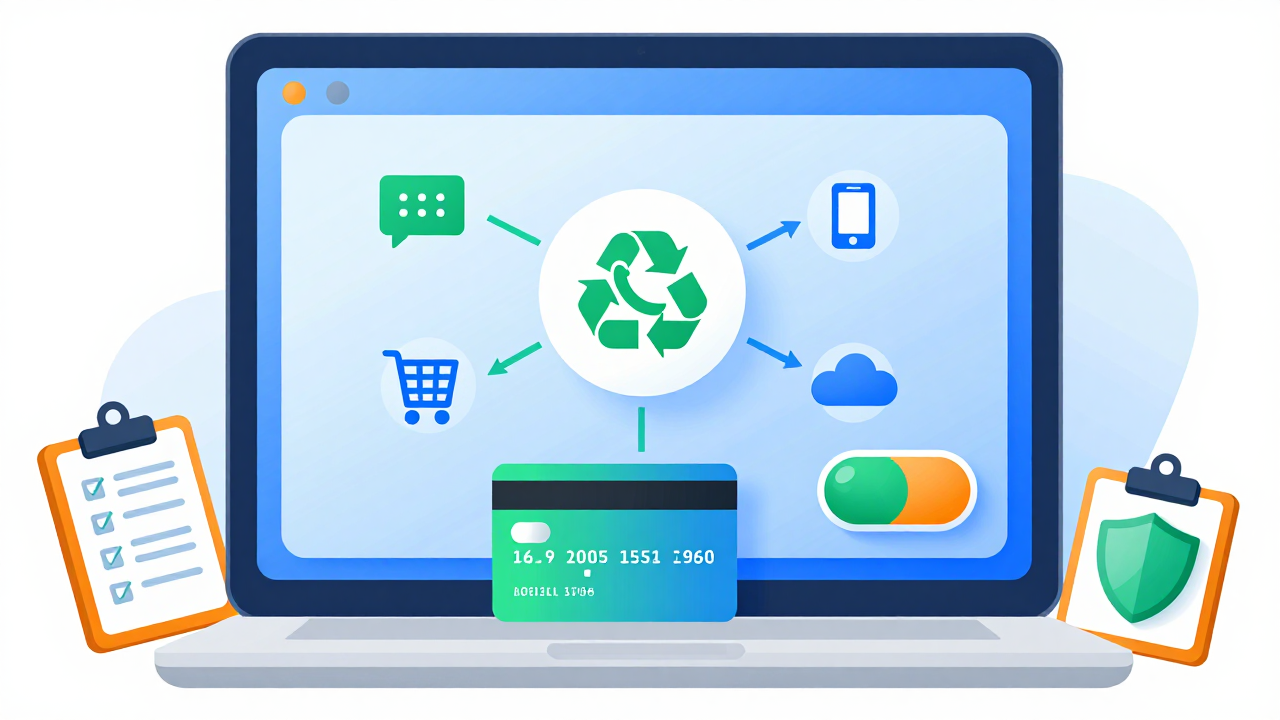
Most SMS reception platforms offer a self-service admin panel. Once logged in, follow these steps in order:
- Go to "My Subscription" or "Plan Management" and toggle off auto-renewal
- Under "Payment Methods," remove any linked credit cards or crypto wallets
- Navigate to "Number Management" and select "Release" or "Recycle" for your assigned US numbers
- Finally, submit an account deletion request under "Account Settings" and wait for confirmation
One thing to watch: some platforms require you to zero out your account balance before closing, and that balance often isn't refundable to your original payment method. Industry data shows that about 30% of platforms charge a 5–15% refund processing fee, so check each platform's specific terms.
Option 2: Manual Cancellation Through Customer Support (Reseller Purchases)
If you bought your SMS reception service through an agent or reseller, your dashboard might not have a self-service cancellation option. In that case, gather the following before contacting support:
- Your order number or transaction hash from the original purchase
- The email address or username tied to the account
- A list of any assigned numbers (if you have one)
Response times for manual cancellations typically range from 2 to 24 hours, though some platforms handle it instantly. If support hasn't responded within 48 hours, submit a ticket and send a follow-up email so you have a paper trail.
Option 3: Passive Cancellation by Letting the Plan Expire
Some users simply stop logging in and wait for their plan to lapse naturally. This works fine for pay-per-use or short-term plans, but it comes with two risks: auto-renewal might still be charging you, and once your number gets recycled, any accounts linked to it could trigger security alerts. Common practice in 2026 is to log in and disable auto-renewal even if you're not using the service anymore—it's not worth the risk of surprise charges.
When canceling a US virtual number SMS service, simply stopping usage doesn't equal cancellation. Auto-renewal can keep charging you, and once your assigned number is recycled, linked accounts may trigger security verification prompts. Actively disabling renewal, unlinking payment methods, and releasing your numbers is what constitutes a complete cancellation.
Four-Step Pre-Cancellation Checklist You Shouldn't Skip
Deleting your account outright without preparation can leave your business accounts unable to receive verification codes—potentially locking you out entirely. Cross-border operators in 2026 generally recommend completing these checks before canceling:
- List every platform account registered or linked to that number, including social media, e-commerce stores, payment tools, and cloud services
- Swap your linked number on each account one by one, prioritizing a physical US number or a long-term stable virtual alternative
- Confirm no pending two-factor authentication flows, such as WhatsApp 2FA or Google backup codes
- Export or back up chat logs and verification history—some platforms don't let you retrieve past verification records after switching numbers
A cautionary tale: one cross-border studio I know deleted their SMS reception account in early 2026 without swapping numbers first. Three of their Amazon seller accounts went into review because they couldn't receive verification codes, and it took over two weeks to restore access—costing them roughly $2,000–$5,000 in operational losses.
What to Use After Canceling: Alternatives and Compliance Tips
Once you've canceled your US virtual number SMS service, you typically have two solid alternatives: purchasing a physical US SIM card or eSIM plan, or using a compliant number management service. Physical SIM cards offer the highest stability but come with higher monthly costs and require a US address for delivery. eSIM solutions have matured considerably by 2026 and support remote activation, making them ideal for teams managing multiple numbers.
| Solution Type | Average Monthly Cost (2026 Market Range) | Stability | Best For |
|---|---|---|---|
| Physical US SIM Card | $10–$35 | High | Long-term operations, store management |
| eSIM Number Plans | $5–$20 | Medium-High | Multi-account management, short-term projects |
| Compliant SMS Platforms (e.g., Getfollow) | Pay-per-use or tiered plans | Medium | Temporary verification, testing environments |
Worth noting: Getfollow offers US virtual number SMS services tailored for cross-border users in 2026, with features like number recycling alerts and auto-renewal management. It's a solid fit if you only need occasional verification codes without long-term commitments. If your usage is sporadic, pay-per-use pricing beats committing to a long-term plan.
When choosing a number service provider in 2026, cross-border businesses should focus on three things: whether self-service cancellation is available, whether the provider sends number recycling warnings, and whether refund policies are transparent. If a provider can't clearly show your renewal status and cancellation options in the dashboard, proceed with caution.
How to Handle Billing Disputes After Cancellation
Some users still get charged after turning off auto-renewal—usually because the platform treats "disabling renewal" and "canceling the service" as two separate actions. If you run into a disputed charge, here's what to do:
- Screenshot your dashboard renewal status and the charge record
- Contact platform support and request a refund to your original payment method, citing their terms of service
- If they refuse, file a dispute through your payment channel (PayPal, credit card issuer, etc.)
- Keep all communication records and escalate to consumer protection agencies if needed (like the FTC in the US or 12315 in China)
Industry consensus puts the success rate for disputed refunds at around 50–70% in 2026, depending largely on your payment channel's dispute rules and how complete your evidence is.
How do I turn off auto-renewal for US virtual number SMS services?
Log into your platform dashboard, go to "Subscription" or "Plan," and toggle off auto-renewal. If you can't find the option, contact support to disable it and screenshot the confirmation. Some platforms require you to delete your payment method under "Payment Settings" to fully stop charges.
Will my linked accounts still receive verification codes after I cancel?
No. Once your number is released or recycled, it can't receive any SMS. Swap your number on all important accounts before canceling—especially anything involving payments or store operations.
Do SMS reception platforms refund remaining balances?
It depends on the platform's policy. Most platforms in 2026 support balance refunds but may deduct a 5–15% processing fee. Some require a minimum balance before you can withdraw, so review the refund rules before canceling.
How do I pick a reliable US virtual number SMS provider?
Look for three things: self-service cancellation options, advance warnings about number recycling, and transparent refund policies. Providers like Getfollow offer clear renewal management and number release alerts in 2026, making them a reasonable option for occasional verification needs. Avoid platforms with unresponsive support or vague refund terms.
Will canceling my SMS reception service affect my US tax or company registration?
If you used that number for US company registration, bank account opening, or tax filings, update your contact information to a long-term stable number as soon as possible. Otherwise, you might miss IRS correspondence or trigger bank risk-control verification. Keep a reliable US number for compliance purposes.
Whether you're running a solo operation or a cross-border business, the key to canceling US virtual number SMS services is proactive management—not passive abandonment. In 2026's stricter risk environment, cleaning up and migrating your number assets should be part of your regular operational routine. After canceling, review the status of all linked numbers quarterly to avoid business interruptions from expired numbers.