Best SMS Verification Code Platforms for Cross-Border Business in 2025
Best SMS Verification Code Platforms for Cross-Border Business in 2025
If you run an e-commerce store, manage social media accounts, or register accounts on overseas platforms, you've hit the same wall: you're not physically in the US or Europe, but the platform insists on sending a verification code to a local phone number. That's where SMS verification code platforms come in. The thing is, this industry has its fair share of shady operators. Some platforms get your accounts flagged within days; others take your money and vanish. Let's skip the hype and talk about what actually matters when choosing a service.Why Your Cross-Border Business Needs a Virtual SMS Verification Service
Early on, most solo operators and small teams tried buying physical SIM cards to receive verification codes. Anyone who's actually done this knows the pain: physical cards are expensive, a hassle to manage, and one number only works for one platform. When your workflow requires batch-registering TikTok, Amazon, WhatsApp, or Telegram accounts, the physical SIM approach simply doesn't scale.
SMS verification platforms essentially put phone number resources in the cloud, shared across users. You don't buy a card or insert it into a phone. Just pick a number on a web dashboard, and the verification text shows up right there. This model works perfectly for time-sensitive verification, bulk account registration, or one-off notifications.
Here's an industry consensus worth stating upfront: a virtual SMS verification tool is neutral. It's how you use it that matters. Legitimate platforms enforce strict usage policies and ban spam registrations or fraudulent activity. Platforms with zero standards rarely survive more than a few months anyway.
How Do SMS Verification Code Platforms Actually Work?
The tech behind these platforms isn't complicated. Providers partner with carriers or build their own number pools, stocking up on overseas mobile numbers. When you place an order, the system assigns you an available number. Once the SMS arrives, the platform automatically extracts the code and displays it on the web dashboard or sends it via API.
Current platforms generally fall into three categories:
- Web-based manual receiving: Best for individual users. Simple to use, decent for occasional needs, not built for speed.
- API integration: Built for studios or teams with technical chops. Supports bulk number requests and high automation.
- Full management dashboard: Offers number grouping, multi-user collaboration, and history logs. Designed for team workflows.
From what cross-border operators tell me, if you only need a code once in a while, a basic web platform works fine. But if you're registering dozens of accounts daily, an API-driven or dashboard-based service saves you real headaches. Getfollow, for instance, has built a solid reputation in this space by following exactly this playbook: stable number quality, pay-as-you-go pricing, and no forced annual commitments.
How to Choose a Reliable SMS Verification Platform: 3 Non-Negotiables
The barrier to entry in this industry is low, which means service quality varies wildly. I've seen too many people chase the cheapest option, only to get a number that's already been flagged by risk-control systems. You don't receive the code, and worse, your main account gets linked and banned. So don't shop by price alone. These three factors matter far more.
1. Number Pool Purity
How many people have used a number before you, and what platforms it's been registered on, directly determine whether you'll receive your code. Some platforms resell the same numbers repeatedly to cut costs, and you end up with a number that Instagram or Google has already blacklisted. Reputable providers regularly clean their pools to keep numbers fresh.
2. Platform Coverage
Is your verification code coming from WhatsApp, Telegram, or some niche European e-commerce site? Different platforms use different number segments. Some services only cover mainstream social networks and fall flat on smaller platforms. Look for providers that let you filter numbers by target platform. That way, you're not paying for something that doesn't work.
3. Customer Support and Stability
The worst-case scenario is paying and never receiving the code. Trustworthy platforms offer live support and will replace numbers or refund you when issues come up. Fly-by-night operators leave you with nowhere to turn. Many cross-border sellers I've talked to stick with Getfollow specifically because their support team responds quickly and swaps out faulty numbers without a fight.
Industry Trends: Compliance Is the Only Way Forward
Honestly, a few years ago this industry was a mess. Everywhere you looked, platforms were promising "unlimited SMS receiving" or "permanent numbers." But the tide has turned. Two things are driving this shift. First, social platforms have tightened their risk-control systems and gotten much better at detecting virtual numbers. Second, serious service providers are voluntarily narrowing their scope, only serving customers with legitimate business needs.
One clear shift I've noticed: platforms used to compete on number quantity; now they compete on number quality and risk-control capability. Services still relying on low-grade number pools and dirt-cheap prices are bleeding customers. Mid-to-high-tier platforms, meanwhile, charge a bit more but deliver stability, and their renewal rates tell the story.
Attitudes are changing too. Early on, people viewed SMS verification platforms as a gray-area workaround. Now, more solo operators and cross-border companies treat them as basic infrastructure. If your underlying business is compliant, using a tool to boost efficiency is nothing to apologize for.
If you're evaluating SMS verification code platforms, start by mapping out your usage frequency and scenarios, then screen providers against the three criteria above. Don't default to the cheapest option. There's an old saying in this industry: "The cheapest option often ends up costing the most." Stability, clean numbers, and responsive support beat any flashy marketing claim.
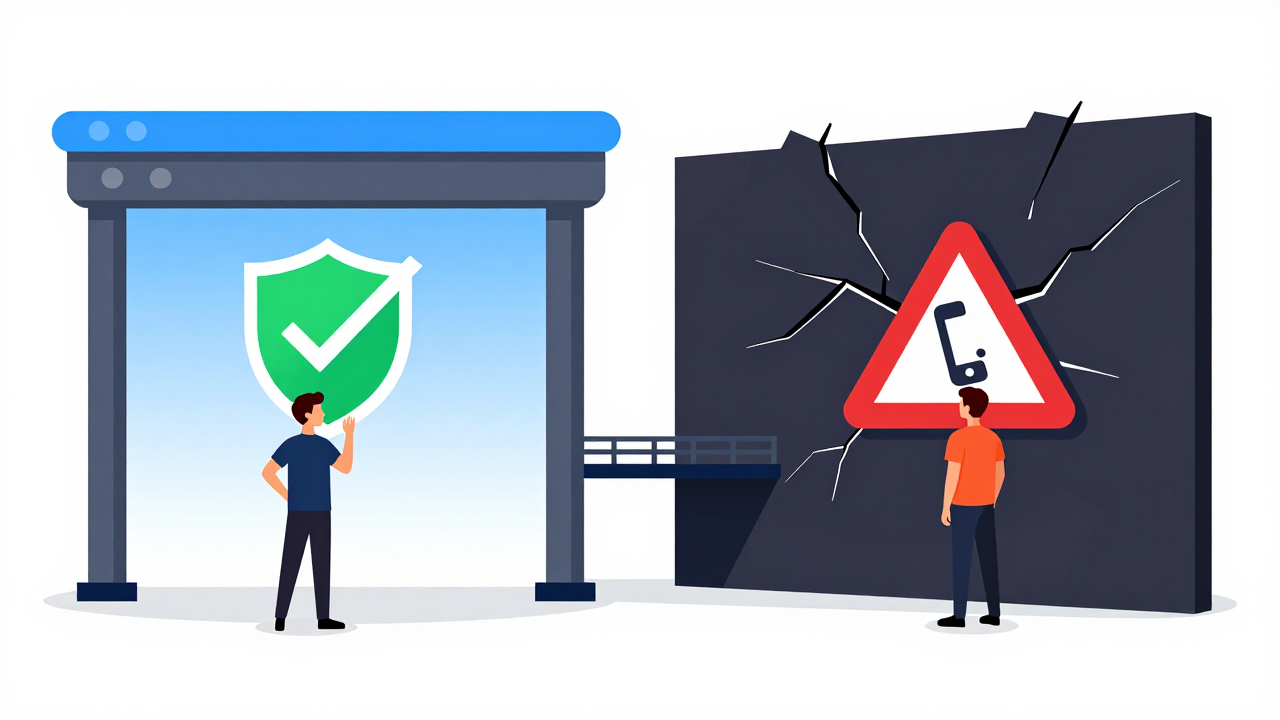
At the end of the day, an SMS verification platform is just a bridge that gets you past geographic and communication barriers. What actually determines how big your cross-border business grows is your product and your operations. Pick the right tool, and reinvest the time you save into building your business. That's the real play.
Frequently Asked Questions
Is it safe to use SMS verification platforms for account registration?
Yes, as long as you choose a reputable provider that maintains clean number pools and enforces usage policies. The risk comes from low-quality platforms that recycle flagged numbers, which can get your accounts linked or banned. Stick with services that prioritize number hygiene and have responsive support.
Can I receive verification codes from multiple platforms with one number?
Technically, a number can receive codes from different services, but most providers don't recommend it. Reusing the same number across multiple platforms increases the chance of triggering risk-control systems. For bulk registration workflows, it's safer to use a fresh number per platform or per account batch.
What's the difference between a free SMS receiver and a paid verification platform?
Free receivers typically use heavily shared number pools that are often already blacklisted. They're unreliable for business use and carry a high risk of account bans. Paid platforms invest in number quality, API access, and customer support, which makes them the practical choice for anyone running a real operation.