Online SMS Verification Code Service: 2026 Buyer's Guide for Cross-Border Businesses
Online SMS Verification Code Service: 2026 Buyer's Guide for Cross-Border Businesses
After years in the cross-border space, I've watched countless studios crash and burn at the very first step—registering overseas accounts. The phrase "online SMS verification code service" might sound straightforward, but behind it sits a messy, unregulated industry. Too many people search for a "official download," land on a slick-looking page, top up their balance, and then watch their accounts get banned within days. Money gone, accounts dead.
Let's skip the fluff. From an industry insider's perspective, I'm going to break down what the SMS verification landscape actually looks like in 2026, where the real risks hide, and how to separate trustworthy platforms from the noise. This isn't a promo for any specific service—just objective logic to help you make a smarter call.
Why SMS Verification Services Became Essential in 2026
Here's the thing: by 2026, mainstream overseas platforms have upgraded their registration risk controls several times over. The old trick of batch-registering accounts with random virtual numbers? Dead on arrival. Yet search volume for SMS verification services keeps climbing—because the use case has fundamentally changed.
Today's cross-border operators need verification codes for account recovery, phone binding during account nurturing, or receiving two-factor authentication messages from overseas providers. That's a completely different ballgame from the "mass-register burner accounts" playbook of years past. The quality bar for numbers is far higher now.
From my observation, the platforms still thriving in 2026 share two traits: a clean number pool and rock-solid channel stability. "Clean" means the numbers haven't been flagged or abused, so they pass basic platform risk checks. "Stable" means you actually receive codes when you need them—plenty of small-time platforms choke during peak hours, leaving users stranded.
Industry consensus is clear: SMS verification has outgrown its "cheap and plentiful" wild-west phase. It's now a game of quality and compliance. If you're still hunting for a deal that gives you hundreds of numbers for pocket change, you're setting yourself up for a fall.
The Hidden Trap in "Official Downloads": What You See Isn't Always Real
When people search for a verification code service, they instinctively click the top-ranked links. But here's an uncomfortable truth about 2026: paid ad slots are riddled with impersonator sites and middlemen reselling cheap upstream number resources.
A friend of mine running a standalone e-commerce site learned this the hard way last month. He topped up $70 on what looked like a legitimate "official" platform. Within two days, every number in his pool got flagged by platform risk controls—every registration failed. Turns out, that "official" site was just a shell proxy reselling low-quality numbers from upstream suppliers.
Here's a detail worth remembering: serious providers don't rely on search ads to survive. They build reputation through word-of-mouth and long-term client relationships. Search through cross-border communities and industry forums in 2026—platforms that veteran users repeatedly mention with specific feedback are usually far more reliable than whatever ranks first on the search results page.
Also, don't fall for the "official app download" pressure. Most verification services work perfectly fine through a web interface or API. If a provider insists you install a client, ask yourself why—they might be fishing for device information.
The 2026 Divide: Virtual Numbers vs. Real SIM Card Pools
Verification services today split into two technical camps. Understanding the difference will save you a lot of expensive lessons.
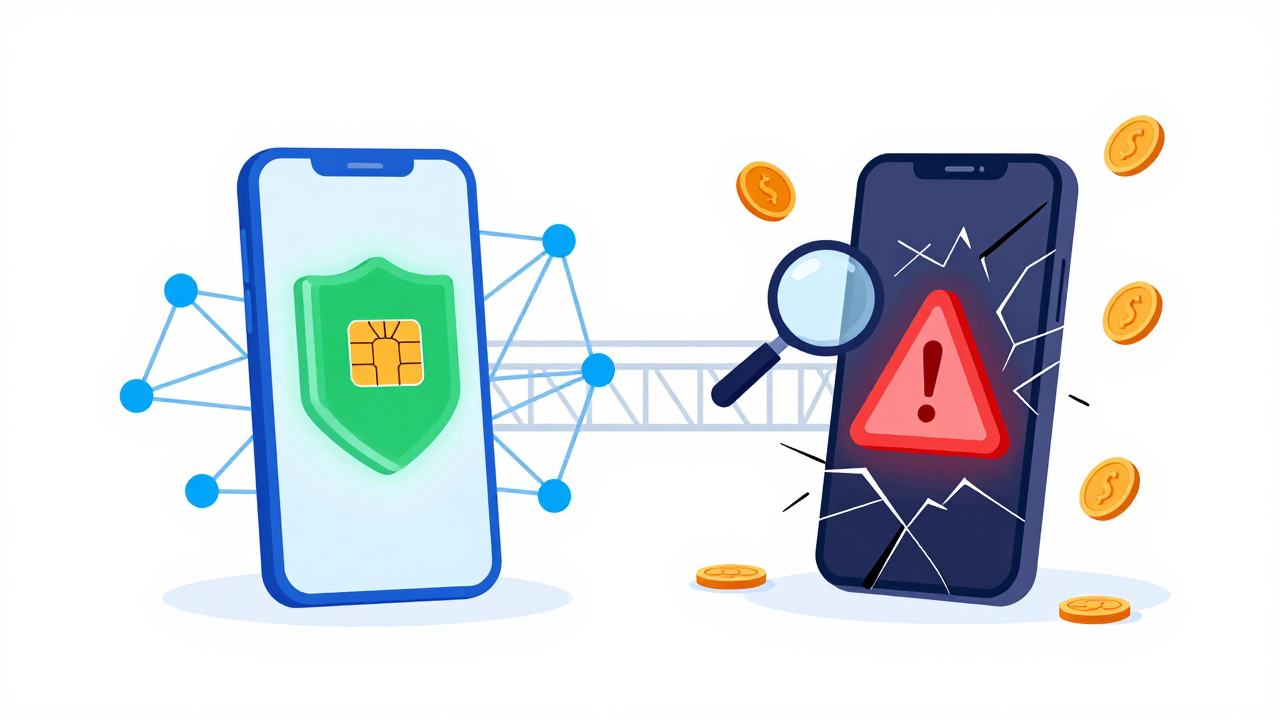
The first camp uses pure virtual number segments. Cheap, sure, but easily identified by platform risk algorithms. By 2026, major platforms can pinpoint virtual numbers with frightening accuracy. Even if registration succeeds in the moment, you'll likely see "unusual environment" warnings down the line, leading to account restrictions.
The second camp uses real SIM card pools—physical SIM cards purchased in bulk and managed through centralized hardware. These numbers carry genuine authenticity. Success rates for receiving codes and post-registration account retention are dramatically better. Industry data from 2026 shows real SIM pool accounts maintain a 50–70% retention rate, while pure virtual numbers struggle to hit even 20%.
Naturally, real SIM pools cost more. Each verification code carries a higher price tag. But do the math: if a few-cent virtual number gets your long-nurtured account banned, you're not just losing the account—you're losing every piece of business data tied to it.
Platforms like Getfollow have built a solid reputation in this space by combining real SIM pool infrastructure with strict risk filtering. They don't compete on being the cheapest per code; they focus on success rates and stability—a far more sustainable model in 2026's environment. That doesn't mean you must choose them; it means their approach is worth studying.
How to Pick a Reliable Provider: Look Beyond the Price Tag
Since most people searching here have buying intent, let's get practical. Cross-border operators consistently report that in 2026, a pretty website means nothing. You have to inspect the details.
- Pay-per-use testing options: If a provider pushes you straight into a large prepaid package, walk away. Confident providers welcome small-scale testing because their success rates hold up under scrutiny.
- Number pool freshness: Ask for recent number segment lists. If they keep showing the same segments, the pool is probably stale or contaminated.
- Clear refund policies for failures: Reputable platforms in 2026 promise "no code, no charge." Vague answers should raise red flags.
- API documentation quality: For studios and tech-savvy sellers, API stability matters. Sloppy documentation usually signals weak backend engineering.
- Customer support responsiveness: Cross-border work runs on odd hours. If you need a code at 3 AM and support is nowhere to be found, the service loses its value. Test their off-hours response time yourself.
One critical warning: never bind your core payment accounts or main storefronts to verification numbers. These numbers are shared resources by nature. Even with platform isolation measures, accidents happen. Use verification numbers only for auxiliary accounts, secondary account matrices, or one-time verification scenarios. Your core assets deserve real physical SIM cards.
From Download to Daily Use: A Risk-Reduction Workflow
Once you've chosen a service, how you onboard matters just as much as which provider you pick. Most people download the client, register, top up, and dive straight in. That's recklessly aggressive.
My advice: test small first. If you plan a long-term partnership, start with the minimum top-up. Grab a few numbers and register for the overseas platforms you use most. Then observe for a week. Watch for smooth registration, any abnormal prompts within the first three days, and whether accounts still log in and receive messages after seven days.
That week of real-world data beats a thousand promises from customer support. In 2026's algorithm environment, account "freshness" and behavioral patterns are everything. If you register an account with a verification number, then immediately set a password, update your avatar, complete your profile, and maintain normal browsing behavior, the account's credibility grows healthily. Conversely, if you register and abandon it for two weeks, risk controls will likely flag it upon your return.
Another pro tip: choose services that offer "designated project" or "dedicated number segment" options. Some platforms let you filter number segments specifically for a particular platform—say, a new social network. This customization costs a bit more but dramatically reduces cross-account association risks. In 2026, this kind of precision management is what separates sustainable cross-border studios from flash-in-the-pan operations.
Final Thoughts: Treat Verification Services as Tools, Not Shortcuts
Let me leave you with some honest advice. An online SMS verification code service is just a tool. Tools aren't inherently good or bad—it's how you use them. The cross-border ecosystem in 2026 carries rising compliance costs. Any attempt to game the system or exploit loopholes will eventually cost you double.
Use verification services for legitimate scenarios: multi-account content distribution, market research, temporary verifications. They'll genuinely boost your efficiency. But if you're planning to farm platform rewards at scale, stop now. When selecting a provider, invest time in due diligence—test small before committing long-term. That's what responsible business looks like. Hopefully, this guide helps you navigate this murky market with clearer eyes.
Frequently Asked Questions
Is it safe to use online SMS verification services for overseas accounts?
It depends on the provider and your use case. Services using real SIM card pools with proper risk filtering are generally safer than cheap virtual number alternatives. However, never use verification numbers for core payment accounts or primary business assets—reserve them for auxiliary accounts and one-time verification needs.
What's the difference between virtual numbers and real SIM card pools?
Virtual numbers are software-generated and cost less, but platforms can often detect them, leading to account restrictions. Real SIM card pools use physical SIM cards managed through hardware, offering higher authenticity, better verification success rates, and stronger account retention—at a higher price per code.
How do I know if a verification code platform is legitimate?
Look for pay-per-use testing options, transparent refund policies for failed codes, regularly updated number segments, well-documented APIs, and responsive customer support—especially during off-hours. Search industry forums for real user feedback rather than trusting search ad rankings alone.
Why did my account get banned even after successful verification?
Successful verification only clears the initial registration hurdle. Platforms continuously monitor account behavior and number reputation. If the number was previously flagged, or if your account shows abnormal patterns (like immediate abandonment after registration), risk controls may restrict it later. Choose providers with clean number pools and maintain natural account behavior after registration.