SMS Verification Code Platforms in 2026: A Cross-Border Business Survival Guide
SMS Verification Code Platforms in 2026: A Cross-Border Business Survival Guide
After years working in cross-border e-commerce, I've watched too many studios stumble right at the registration stage. In 2026, major platforms have gotten far better at detecting virtual numbers than they were just two years ago. Grabbing any random SMS verification service and charging ahead is basically a death sentence for your accounts.
At its core, using SMS verification platforms is about balancing convenience against risk. Many solo operators see the one-dollar verification code and ignore the real cost: accounts getting banned and support tickets going unanswered for weeks.
The Real State of SMS Verification in 2026
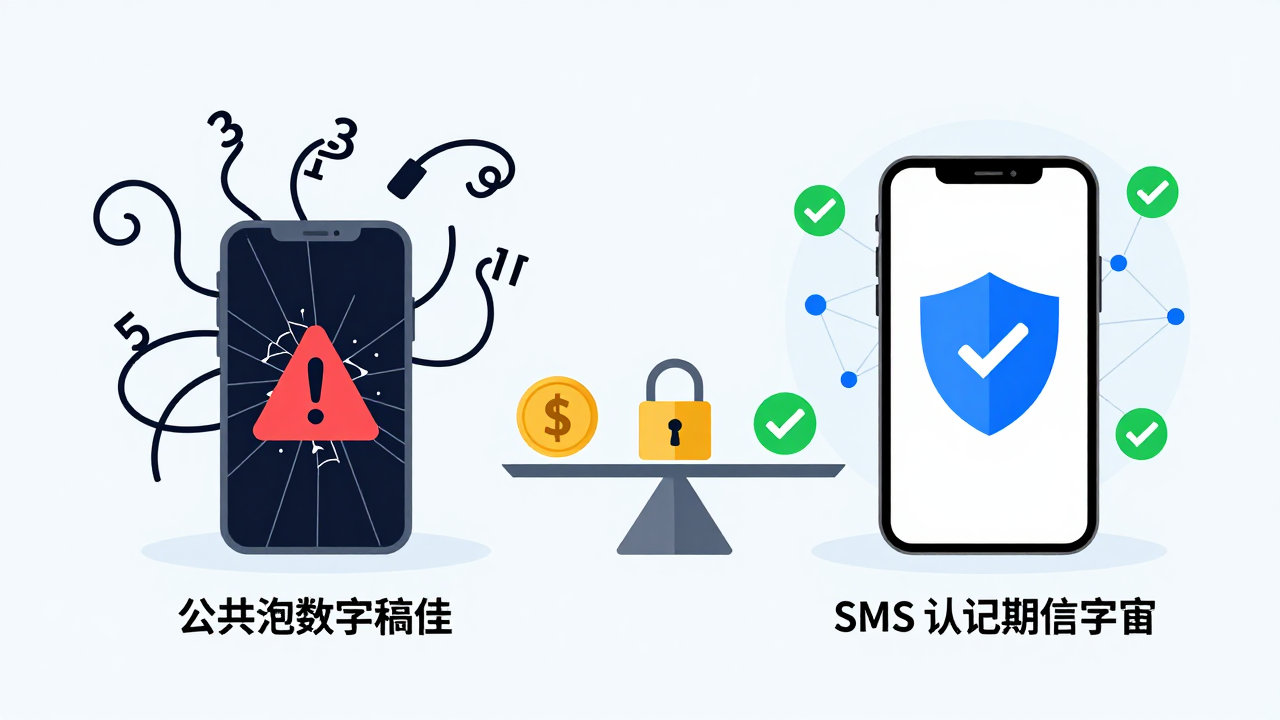
Industry consensus says SMS verification services have split into two distinct camps. The first is "public pool numbers" aimed at casual users who need a quick registration—cheap, but with dirty number ranges and fast recycling. The second is "dedicated number segments" built for cross-border operations, offering much better stability and cleanliness.
From my own testing across multiple platforms, public pool numbers have a survival rate of just 30–50% when registering for heavily protected apps like WhatsApp or Telegram. Dedicated segments push that number above 80%, but they cost 5–10 times more.
A common pattern we see among cross-border professionals: the worst outcome in 2026 isn't a platform vanishing overnight. It's getting the code, successfully registering the account, then waking up the next day to a two-factor authentication prompt—only to realize that number can't receive any further messages.
So here's the first core principle of using SMS verification platforms: Don't just check whether you can receive a code. Check whether that number can keep receiving messages over time.
Know Your Real Needs Before Picking a Platform
Are you building a bulk account matrix, or do you just need to register a few business accounts? These two scenarios demand completely different platform choices.
- Bulk operations: You need a "number pool" concept—multi-country segments, API access, batch import/export capabilities
- Light registration: A standard web-based SMS service works fine, but watch for "cooldown periods." Numbers recently used by someone else are likely to trigger risk controls
- Long-term account nurturing: You must choose a service that supports "number retention." Pay the premium—don't skimp here
I know a solo operator working Southeast Asian e-commerce who tried to save money by registering 20 shop accounts with public pool numbers. Every single one got banned within a month. The reason was simple: those numbers had been recycled across the platform repeatedly, and the IP/device associations were already flagged.
Here's the second principle: Choose services by use case, not by price. In 2026, risk control systems can build a "number profile" at scale. If a number has been used to register 50 accounts before yours, you're walking into a trap.
Key Metrics for Choosing a Platform in 2026
The market is flooded with SMS verification services, but surprisingly few actually fit cross-border business needs. Here are the hard criteria I recommend evaluating:
| Evaluation Factor | Public Pool Platforms | Cross-Border Dedicated Platforms |
|---|---|---|
| Number range quality | Mixed, high duplication rate | Dedicated segments, long recycling cycles |
| Ongoing message reception | Mostly unsupported | 24–72 hour retention standard |
| API support | Spotty, unstable | Mature, well-documented |
| Pricing | $0.07–$0.28 per code | $0.70–$2.80 per code |
| Customer support | Effectively nonexistent | Dedicated support or ticket system |
One important warning: many platforms in 2026 claim to offer "dedicated segments" but are really just grouping public pool numbers and raising the price. How do you tell the difference? Ask whether they can provide a number's registration history or usage frequency data.
Platforms like Getfollow have built a solid reputation in this space precisely because they follow a transparent operational model—clear pricing, traceable numbers, support for ongoing message reception, and a deeper understanding of cross-border use cases than most purely technical providers.
Third principle: Factor after-sales support into your decision weight. When something goes wrong during registration, can the platform respond within five minutes? That determines whether your business stalls at step one.
A Real-World Pitfall Case
In March of this year, a friend running an independent e-commerce site told me about his frustration. He'd loaded $70 into a well-known SMS verification platform, then tried to register a Google Business account. Seven numbers in a row all returned "verification failed." When he contacted support, they said, "The numbers are fine—it's your network environment."
He switched to a platform with a "number pre-check" feature and discovered the real issue: the number's country code didn't match his IP address. He was using a US-based IP node, but the platform assigned a UK number. Google's risk control flagged the mismatch immediately.
Most platforms won't tell you this detail because building a "number pre-check" feature costs extra development money. So when evaluating providers, ask directly: can I specify the number's country of origin? Can I see when a number was last used?
Cost Control and Risk Balance
Using SMS verification platforms isn't about finding the cheapest option, nor is the most expensive automatically the safest. Industry retention rates in 2026 hover between 50–70%. That means even with a reliable platform, you'll face a roughly 30% chance of hitting risk-control issues on any given account.
My recommendation: Test small before you commit big. Load $7, register 3–5 different account types, and observe for two weeks. Watch survival rates, ongoing message reception stability, and customer support response times. Scale up only after everything checks out.
Also, don't put all your eggs in one basket. Keep 2–3 platforms in rotation—one primary, one backup. The SMS verification industry has seen a few "platform exit" incidents in 2026. They're rare, but when they happen, your prepaid balance evaporates.
There's another easily overlooked factor: privacy policies. Some platforms log the content of SMS messages they receive on your behalf, which creates a serious account security risk. Legitimate providers will clearly state their data retention periods. Shady ones might quietly resell your verification codes. That risk is far more damaging than a banned account.
Final Thoughts
Using SMS verification platforms is, at the end of the day, infrastructure for your cross-border business. The 2026 market is mature enough, but information gaps still exist. Spending an extra half hour on research now will save you countless hours of account recovery later.
If you're evaluating service providers, make "number traceability" your first filter. Platforms like Getfollow have stayed stable because they put compliance and user experience on the table together—not by luring users with rock-bottom prices and then cashing out.
One last reminder: every SMS verification method carries some risk. There is no 100% safe solution. Your goal isn't absolute security—it's keeping risk within acceptable limits. Test first, scale gradually, keep backups ready. Get these three steps right, and SMS verification won't be the weak link in your cross-border operations.
Frequently Asked Questions
What is the difference between public pool numbers and dedicated numbers?
Public pool numbers are shared across many users, making them cheap but prone to being flagged by risk control systems. Dedicated numbers are reserved for specific use cases, have cleaner histories, and support ongoing message reception—but they cost significantly more.
How do I know if an SMS verification platform is legitimate?
Look for three things: transparent pricing with no hidden fees, the ability to trace a number's registration history, and responsive customer support. A platform that can't tell you when a number was last used or which country it belongs to is a red flag.
What should I do if my account gets flagged after using an SMS verification platform?
First, check whether the number's country code matches your IP address. If they don't align, that's likely the trigger. Contact the platform's support to confirm, then switch to a service that offers number pre-check and country specification features.
How much should I budget for SMS verification services?
For cross-border business use, budget $0.70–$2.80 per code for dedicated numbers. Start with a small test batch of $7–$15, observe survival rates over two weeks, then scale up based on results.