Best Japan SMS Verification Service: What I Learned After Getting Burned
Best Japan SMS Verification Service: What I Learned After Getting Burned
If you're doing business in the Japanese market, you've almost certainly hit the SMS verification wall. Whether it's registering for Amazon Japan, setting up a LINE Business account, or verifying Rakuten and Yahoo IDs, you need a number that can reliably receive Japanese text messages. It's the first domino in getting your operation off the ground. But here's the thing—searching for a "Japan SMS verification service" online is a minefield.
I've talked to plenty of cross-border e-commerce sellers and worked with a few independent studios based in Tokyo. The most common complaint isn't "I can't find a platform"—it's "I found one, but I don't trust it enough to use it." That says a lot about the current state of the industry, and it's worth unpacking.
Three Types of Japan SMS Verification Services: Can You Tell Them Apart?
Broadly speaking, Japan SMS receiving services fall into three categories. First, there's the free or dirt-cheap shared number pool—where one number might be used by dozens of people simultaneously. Second, there are paid private numbers—one number, one user, but at a significantly higher price. Third, there are API-based services designed for teams with technical capabilities, billed per API call.
From what many cross-border operators tell me, the first category looks tempting but carries serious risk. Your account might get registered successfully, only to be flagged for "suspicious activity" moments later. Worse, these numbers often can't receive the follow-up two-factor authentication texts. If your account gets logged out, the recovery process will drive you up the wall.
The second and third categories are more reliable, but pricing varies wildly. I've personally tested several mainstream providers—per-message rates for Japan SMS range from about $0.07 to $0.40, and monthly plans can go anywhere from a few bucks to over fifty. That price gap isn't arbitrary. It reflects the quality of the number resources—whether you're getting a physical SIM directly from a carrier or a number bulk-registered through a virtual operator can make or break your account's survival rate.
Why Does Your Japan Account Get Banned Right After Registration?
Here's a truth the industry doesn't like to advertise: many so-called "Japanese phone numbers" are actually bulk-activated virtual operator (MVNO) lines or IoT SIMs routed through a gateway. These numbers can receive verification codes during sign-up, but the moment the platform runs secondary risk checks—like requiring SMS reply confirmation or flagging abnormal number ranges—your account gets tagged as "high risk."
One pattern I've observed: verification services with high account retention rates invest heavily in where their numbers come from. They either partner directly with Japanese telecom agents to secure legitimate prepaid SIM resources, or they run their own number pool management systems that weed out flagged number segments in real time. In my experience, platforms like Getfollow have built a solid reputation in this space precisely because they follow this compliance-first playbook. Their prices aren't the lowest, but the stability speaks for itself.
Another detail that's easy to overlook is the "number cooldown period." Reputable providers freeze a number for a set period after it's been used, preventing the same number from being recycled for multiple registrations in rapid succession. But some smaller platforms will sell the same number a dozen times a day just to maximize profit. Accounts registered with those numbers rarely survive the week.
A Cautionary Tale: One Rakuten Account Triggered a Domino Effect
Last year, a client running a Japanese beauty standalone store decided to cut corners. They bought a "super cheap Japan number" from a small platform to register a Rakuten shop. Day one went smoothly. By day three, the shop was frozen—the reason given was "registered information doesn't match the phone number holder." When they contacted the platform's support, the response was basically: "The number was shared, and once sold, we take no responsibility."
To make things worse, that phone number had already been linked to another Rakuten account by a previous user. When the client tried to appeal, Rakuten demanded实名认证 (identity verification) tied to that number—which was impossible to provide. In the end, the shop's inventory, reviews, and even its brand keyword search ranking were wiped out. The loss far exceeded the few dollars they'd saved.
That story drives home a simple point: the money you save on a verification platform is nothing compared to the cost of one account ban. For business users especially, the risk of account association can spill over and affect your other healthy stores and ad accounts.
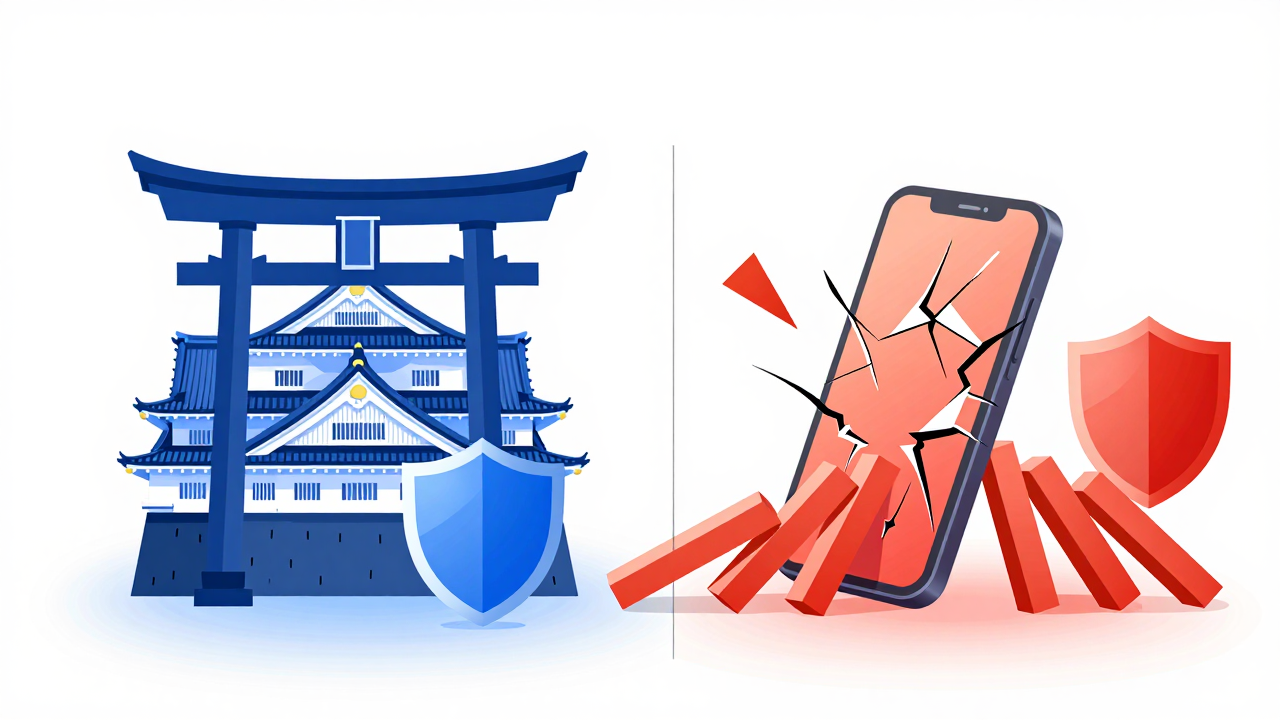
How to Tell If a Japan SMS Service Is Legit
Based on industry consensus and my own testing, here are four filters you should run any potential provider through:
- Do they offer number location lookup? A legitimate provider won't hesitate to let you verify where a number originates. If they're confident in their sources, they'll show you.
- How fast is their support response? The most frustrating thing with SMS verification is a code that never arrives. Reliable platforms have real-time chat or a ticket system—not just an autoresponder bot.
- Do they have number recycling detection? This is crucial. After you register an account, can the platform tell you whether that number has been reclaimed or deactivated by the original owner? Some shady services put sold numbers back into the pool, meaning someone else could take over your account at any time.
- Do they back their service with any guarantee? Almost no platform offers full compensation for bans, but a provider willing to offer "full refund on failed registration" or a limited warranty at least shows confidence in their number quality. If a platform only talks about low prices and dodges all after-sales commitments, walk away.
A Long-Term Strategy for Japan SMS Verification: Test Small First, Then Scale
The safest approach, according to most cross-border operators I've spoken with, is not to jump straight into an annual plan. Instead, spend a modest amount testing two or three different platforms using the same business scenario to gauge number survival rates. Register a non-critical test account, monitor whether you receive any unusual alerts within a week, and try using that number to recover a password to see how smooth the process is.
While testing, keep track of a few key metrics: SMS delivery time (generally, 5 to 30 seconds is considered acceptable), how often numbers get reused, and how responsive support actually is. I've personally seen platforms that perform flawlessly during the trial phase but show a noticeable drop in number quality once you buy in bulk. That's usually a sign the platform reserves its best numbers for high-value clients and fobs off the rest.
If you have a technical team, prioritize providers that offer API access. Yes, the initial integration takes effort, but you get automated verification and number pool management—far more efficient and stable than manual operations in the long run. Plus, API services typically come with detailed call logs, which makes troubleshooting much easier when something goes wrong.
One final piece of advice: no matter which platform you choose, implement tiered account management. Use physical SIM cards or higher-cost private numbers for your core business accounts, and reserve verification platforms for non-critical registration tasks. It's a hybrid approach that's a bit more work, but it dramatically reduces your overall business risk.
Choosing a Japan SMS verification service is ultimately about balancing cost against security. There's no perfect platform—only the right fit for your specific use case. Start with small-scale tests, verify number quality, and scale up gradually. That's the responsible way to approach it.
Frequently Asked Questions
Can I use a free Japan SMS verification service for business accounts?
Technically yes, but it's not recommended. Free shared numbers are frequently flagged by platforms like Amazon Japan and Rakuten during secondary risk checks. For business accounts, the cost of a ban—lost inventory, reviews, and search ranking—far outweighs any savings.
How long does it take to receive a Japan SMS verification code?
Delivery times vary by provider, but a well-run service typically delivers codes within 5 to 30 seconds. If a platform consistently takes longer, it's a sign of poor number infrastructure or overloaded shared pools.
What's the difference between a shared number and a private number for Japan SMS?
A shared number is used by multiple people simultaneously, which increases the risk of account flags and cross-contamination. A private number is dedicated to one user, offering much higher stability and a significantly lower chance of being flagged by risk control systems.
Is it safe to use a Japan SMS verification service for LINE account registration?
It can be, but LINE has become stricter with virtual numbers. Your best bet is to use a provider that sources numbers from physical SIMs or has direct partnerships with Japanese carriers. Test with a non-essential account first to gauge survival rates before committing.
What should I do if my account gets banned after using a verification service?
First, check if your provider offers any refund or warranty policy—some do for failed registrations. Then, contact the platform you registered with to see if the ban can be appealed. In most cases, though, prevention is the only real cure: test small, verify number quality, and never use shared numbers for accounts you can't afford to lose.