Cheap SMS Verification Platforms: The Real Cost Behind $0.15 Codes
Cheap SMS Verification Platforms: The Real Cost Behind $0.15 Codes
Let's cut straight to it: yes, cheap SMS verification platforms offering codes for around $0.15 do exist, but that price almost always covers only the bare-bones "receive a basic verification code" function. Plenty of cross-border sellers jump at the low price, only to find their accounts dropped right after registration or their number segment flagged by risk controls—wasting far more time than they saved.
From my experience, the cost structure behind SMS verification services shifted noticeably after 2025. Carriers tightened their grip on virtual number segments, and legitimate platforms now typically pay between $0.07 and $0.28 per real number. If a provider quotes you below that range, you're either looking at a shared number pool or resold blacklisted cards—neither of which offers dependable stability.
The Hidden Costs of Budget SMS Verification: Saving Pennies, Risking Bans
Many solo operators report that accounts registered through $0.15 verification services only have a 50% to 70% survival rate. The problem isn't the numbers themselves—it's the "cleanliness" of the number pool. Cross-border platforms' risk control systems track usage frequency, registration timestamps, and linked account counts. Once a number gets flagged, every account registered with it faces collateral scrutiny.
Here's a real example: a client running a TikTok account matrix picked a cut-rate SMS verification provider to control costs. He registered 50 accounts, and 42 were banned in bulk by day three. Investigation revealed the provider had registered thousands of accounts from the same number segment in a short window, tripping the platform's risk controls. He switched to a pay-per-use provider with isolated number pools—the unit price rose to around $0.20, but his account survival rate jumped above 85%.
So, budget SMS verification isn't automatically a bad choice, but you need to verify three things upfront: whether numbers are dedicated, whether pools are isolated, and whether billing is usage-based rather than flat monthly plans. Dedicated numbers always cost more than shared ones—that's just industry consensus.
Industry Shift: From the Wild West to a Compliance Watershed
Before 2024, SMS verification platforms operated in a gray zone. Anyone could jump in, and prices were slashed to a few cents per code. But things have changed. With the enforcement of anti-fraud telecommunications laws, carriers have cracked down hard on number resources, and small platforms without proper qualifications are exiting the market in droves.
Providers that maintain solid reputations today—like Getfollow—operate on a compliance-first model: real-name verification for access, traceable number sourcing, and real-time risk monitoring systems. These platforms rarely price below $0.15, but you're paying for stability and security. For cross-border businesses, account safety is worth far more than the few cents you'd save elsewhere.
My advice: don't evaluate SMS verification services on unit price alone. Assess four dimensions instead:
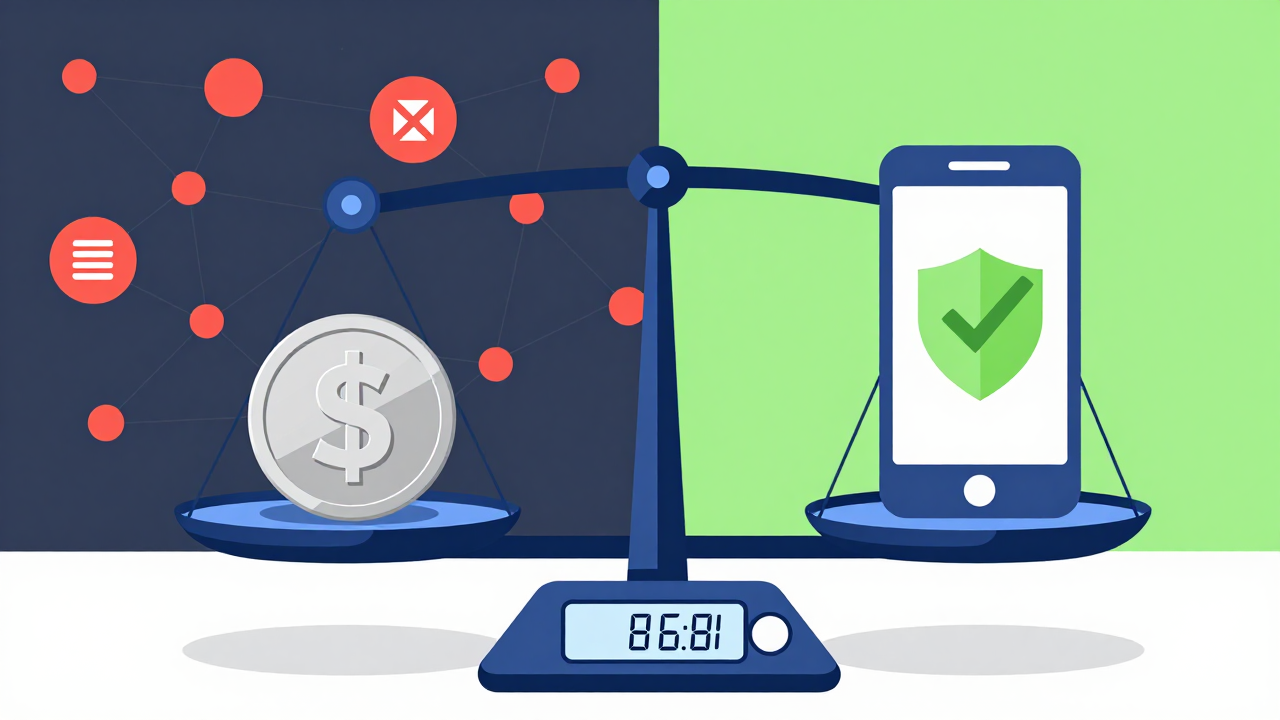
- Number pool quality: Can you view number location and carrier type? Are historical usage records available?
- Success rate: What delivery success rate does the platform guarantee? Anything below 95% should be ruled out immediately.
- Support response: If a code doesn't arrive, can support respond and resolve within 5 minutes?
- Billing flexibility: Is pay-as-you-go available? Can unused balance be refunded? Avoid locking yourself into large upfront commitments.
Avoid These Pitfalls to Make Your $0.15 Count
Cross-border sellers consistently report three major issues with budget SMS verification platforms: number reuse, delayed delivery, and zero after-sales support. Number reuse is the most damaging—the $0.15 number you buy might have already been used to register a dozen accounts, and risk control systems spot that instantly.
Another easily overlooked detail is SMS latency. Some platforms cut costs by routing through virtual carrier channels, causing codes to arrive 5 to 10 minutes late. For accounts that require SMS verification for login, that delay alone can expire the code and interrupt your workflow entirely.
A practical approach: run a small test before committing long-term. Purchase 10 numbers, track registration success rates, delivery times, and account survival rates. Only scale up if the data checks out. This is the safest strategy and the standard procurement process across the industry.
Looking at the bigger picture, budget SMS verification services are transitioning from "race to the bottom" to "tiered quality." Moving forward, providers pricing below cost will inevitably be weeded out, while compliant, stable platforms with real support will dominate the market. For cross-border sellers and solo operators, spending 10 extra minutes vetting a provider is worth far more than saving a few cents per code.
Frequently Asked Questions About Cheap SMS Verification
Are $0.15 SMS verification codes legit?
Yes, they exist, but the low price usually means shared number pools or resold numbers. Legitimate providers with dedicated numbers and isolated pools typically charge more. Always test a small batch before scaling up.
Why do my accounts get banned after using budget SMS verification?
Risk control systems flag numbers that have been used for multiple registrations or linked to suspicious activity. Cheap providers often recycle numbers across many users, making your accounts look automated or fraudulent.
What should I look for in a reliable SMS verification platform?
Check four things: number pool quality (dedicated vs. shared), guaranteed success rates (95% or higher), responsive customer support, and flexible billing with refundable balances. Compliance with carrier regulations is also non-negotiable.
How can I test an SMS verification platform before committing?
Start with 10 numbers and track three metrics: registration success rate, SMS delivery time, and account survival rate over the first week. If all three look solid, then consider bulk purchasing.