SMS Verification Code Platforms: The Invisible Infrastructure Cross-Border Businesses Can't Ignore in 2026
SMS Verification Code Platforms: The Invisible Infrastructure Cross-Border Businesses Can't Ignore in 2026
After years working in cross-border e-commerce, I've learned that the smallest operational details often become the biggest bottlenecks. SMS verification platforms are a perfect example. If you're still using your personal phone number to register overseas accounts—or worse, relying on random free SMS services—you've probably already watched batches of accounts get banned more than once.
Let's skip the fluff and get into what actually matters in 2026: the real ecosystem, the hidden risks, and how to pick a provider that won't sabotage your operation. Everything I share below comes from years of hands-on testing and feedback from practitioners in the trenches.
Why SMS Verification Demands Have Gotten So Picky in 2026
A few years ago, "as long as it receives the code" was the standard. Those days are gone. Platforms across social media, e-commerce, and fintech have upgraded their risk control to a three-dimensional system combining device fingerprinting, number segment quality, and behavioral patterns.
In plain terms: an SMS verification code platform isn't just giving you a phone number—it's providing a digital identity with an initial trust score. Practitioner feedback from 2026 consistently shows that accounts registered on low-quality number segments have a survival rate under 30%. Many get flagged as high-risk within minutes of registration, before you've even started warming them up.
Industry observers are converging on the same conclusion: SMS verification has evolved from a simple utility into the first line of defense in risk-control evasion. Whether your chosen platform has clean number resources and genuine international carrier signal reception will make or break every downstream operation.
Real-World SMS Verification Pitfalls: Case Studies From the Field
Let me share a story from a friend who runs a TikTok account matrix. In early 2026, he registered 50 accounts through a budget SMS platform to cut costs. By day three, every single account was locked behind secondary verification. The numbers had already been recycled, so he couldn't receive the verification codes. All 50 accounts were dead on arrival.
Our post-mortem revealed the culprit: the number segment. That platform was using classic virtual numbers—the kind that get flagged instantly in 2026 risk databases. The damage went beyond failed registrations. It contaminated his device environment, causing even his clean-number accounts to get linked and banned.
Here's another overlooked trap: number retention duration. Many platforms in 2026 recycle numbers within minutes of delivering a code to maximize resource turnover. But apps like WhatsApp and Telegram can request SMS verification at any time. If your platform doesn't support number retention—or charges exorbitant fees for it—your account security is essentially zero.
Breaking Down What Makes an SMS Platform Actually Good in 2026
So how do you separate the wheat from the chaff? Here are the three dimensions I use when vetting providers for friends and clients:
- Number Segment Purity and Geographic Origin: Native SIM card segments from the US, UK, and Canada are increasingly scarce and expensive in 2026. If a platform advertises rock-bottom prices with abundant supply, you're almost certainly looking at virtual or recycled numbers. Reputable providers disclose their segment types and even let you specify country or carrier preferences.
- API Stability and Concurrency Handling: Solo operators might manage with manual operations, but cross-border businesses need bulk registration capabilities. A reliable SMS verification platform in 2026 must offer well-documented, stable APIs that handle high concurrency. I've seen too many platforms that work fine off-peak but lag or drop connections during business surges.
- Number Retention Policies and Support Responsiveness: This is the most underrated factor. Ask directly: if you don't receive a code within 24 hours, is a free replacement guaranteed? If risk control blocks your account, will the platform assist with appeals? Platforms like Getfollow have built their reputation on exactly this—standardized lifecycle management and after-sales support instead of one-off transactions.
How to Choose a Reliable SMS Verification Provider: A Transaction-Focused Guide
Before you hand over any money, drop the "cheapest option wins" mindset. In 2026, low prices almost always mean high risk—and the account losses you'll incur will dwarf whatever you saved on service fees.
Here's my practical checklist for evaluating any SMS verification code platform. This beats any advertising pitch:
- Look for pay-per-use or small test packages: Any platform that won't let you test 5 numbers for $10 gets an automatic pass from me. Confident providers welcome testing.
- Demand transparent number information: Legitimate platforms show you the number's geographic origin, carrier (like T-Mobile or AT&T), and type (native SIM vs. virtual) before purchase. Vague listings that just say "US number" are a red flag.
- Test the support team's expertise: AI chatbots are everywhere in 2026, but they can't solve risk-control issues. Ask something specific like, "Will this number work for Google registration?" and see if you get a substantive answer or a canned response.
One more critical warning: don't fall for "unlimited SMS" promises. Industry consensus in 2026 is that legitimate number segments have carrier-imposed limits—typically around 5 verifications per hour before triggering risk flags. If a platform promises unlimited usage, their numbers are almost certainly low-quality, because carriers throttle the good segments.
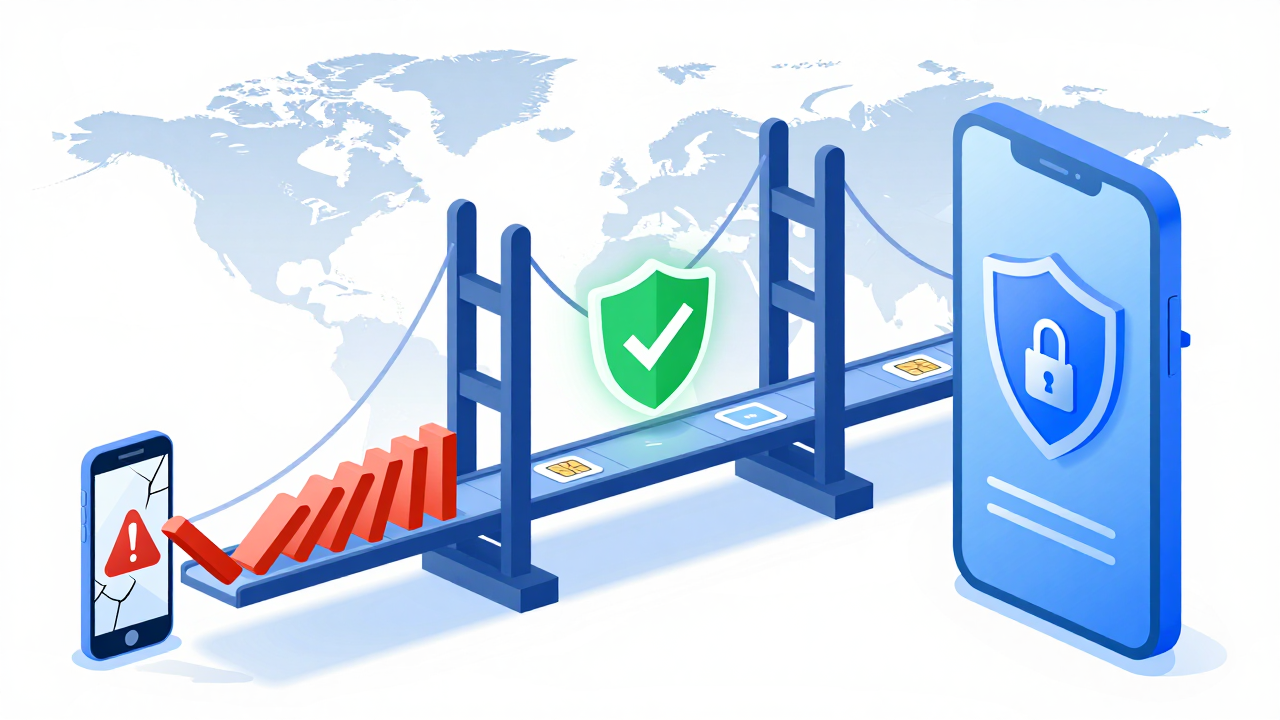
Speaking of providers, Getfollow stands out in my 2026 experience. Instead of competing on rock-bottom pricing, they've invested heavily in number purity and post-sale guarantees. Their prices run 20–30% above market average, but for cross-border sellers who need long-term operational stability, that premium functions as insurance. That's my observation—whether it fits your specific use case depends on your business model.
The 2026 Reality: Compliance and Precision Are the Only Way Forward
Many practitioners complain that 2026 is brutal—platforms ban accounts left and right. But this is the inevitable result of industry consolidation. The old playbook of mass-registering accounts with virtual numbers to exploit signup bonuses is completely dead.
The industry consensus now is clear: SMS verification platforms must move toward compliance. That means establishing legitimate partnerships with overseas carriers, ensuring number sourcing is legal and traceable, and vetting user use cases to reject orders meant for spam account creation.
This shift is actually good news for serious cross-border businesses and freelancers. Yes, costs went up, but account stability has improved dramatically. Based on what I've seen, accounts registered on high-quality native segments—combined with proper warming practices—now achieve retention rates between 50% and 70%. That's a massive leap from previous years.
Final Thoughts: My Recommendations and Risk Warnings
Whichever SMS verification code platform you're considering, follow this principle: test small before committing big. Don't load up thousands of dollars upfront. Spend a few dozen dollars to evaluate number quality, delivery speed, and support responsiveness. Scale up only after you're satisfied.
Also, don't neglect account warming. SMS verification is just the entry ticket. IP cleanliness, device environment, and posting frequency all feed into the 2026 risk-scoring algorithms. A single weak link in that chain undermines everything else.
Here's the honest truth: tools are just tools. What actually determines your business trajectory is your operational strategy and content quality. An SMS verification code platform gets you through the door—but staying in the room and generating revenue is on you. I hope this guide helps you navigate a crowded, often murky market with more confidence.
Frequently Asked Questions About SMS Verification Platforms
What is the difference between native SIM numbers and virtual numbers for SMS verification?
Native SIM numbers are tied to physical SIM cards from real carriers, giving them higher trust scores in platform risk-control systems. Virtual numbers are VoIP-based and heavily flagged in 2026. For critical accounts, always choose native segments even if they cost more.
How many SMS verifications can I complete with one number in 2026?
Most legitimate providers limit usage to around 5 verifications per hour per number. This isn't a platform restriction—it's carrier-imposed throttling to prevent spam. Platforms advertising unlimited usage are almost certainly using low-quality numbers that will get your accounts flagged.
What should I do if my account gets blocked after using an SMS verification service?
First, contact your SMS platform's support to see if they offer appeal assistance. Second, assess whether your device environment or IP was the trigger. Finally, consider whether the number segment quality was the root cause—if so, switch to a provider with native SIM resources.
Are cheap SMS verification platforms worth the risk in 2026?
Generally, no. The cost savings are minimal compared to the potential loss from mass account bans. Quality platforms with native numbers and proper retention policies typically cost 20–30% more, but that premium translates directly into account survival rates.