Best SMS Verification Service for Overseas Accounts: A Cross-Border Pro's Guide to Avoiding Pitfalls
Best SMS Verification Service for Overseas Accounts: A Cross-Border Pro's Guide to Avoiding Pitfalls
After years working in cross-border e-commerce, I've watched too many people crash and burn at the verification step. You're registering an overseas account, hit the phone verification wall, panic, grab some random free SMS platform—and end up not only failing to register but getting your own primary number flagged and banned. Today I'm not going to list the usual "top 10 SMS verification platforms" fluff. Instead, let me break down how to choose an overseas SMS verification service from an industry insider's perspective.
Don't Fall for "Free": The Real Cost Logic Behind SMS Verification Services
Most cross-border professionals I've talked to first got hooked by the promise of "free verification codes." But here's the industry consensus: free SMS verification services are usually the biggest trap. To keep the lights on, these platforms recycle the same numbers across multiple users, which quickly gets those numbers flagged by risk-control systems on major platforms.
I personally tested several well-known free platforms. Trying to register Telegram or WhatsApp? Either the code never arrives, or the code you do get has already expired. Worse, accounts registered with these contaminated numbers rarely survive past 48 hours before getting banned—wiping out all the time and effort you put into warming them up.
Here's a real cautionary tale: a small studio tried to bulk-register TikTok accounts using a free SMS verification site. Out of 50 accounts, 47 were mass-banned within 24 hours. The remaining 3 got shadowbanned. An investigation revealed all the numbers came from the same abused number blocks—already blacklisted by the platform.
Before You Download an SMS Verification App, Understand the Three Service Models
The current market for overseas SMS verification services can be split into three models. Understanding the differences will save you a ton of headaches.
- Web-based free verification: No download needed, works instantly, but the number pool is heavily contaminated. Fine for one-off registrations of low-stakes accounts—just don't rely on it for real business.
- Mobile app verification: Requires installation, usually offers a small free allowance, then charges per message or via packages. Number quality beats web-based options but still suffers from high number-reuse rates.
- API-integrated providers: Built for enterprise users, offering dedicated number blocks or dynamic pools, supporting bulk calls. Pricier, but the numbers are clean and retention rates are far better. Platforms like Getfollow have built a solid reputation in this space by following exactly this compliance-first model.
From my conversations across the industry, if you only need to register one or two accounts occasionally, a web-based option is fine. But if you're doing bulk registration, account warming, or running an account matrix, you need an API-integrated provider—otherwise, your ban risk climbs exponentially.
Watch Out for Permissions and Privacy Risks When Downloading Apps
Here's a detail worth highlighting: many SMS verification apps request access to your contacts, location, storage, and other sensitive data during installation. In my observation, legitimate platforms only ask for network and notification permissions. Apps demanding excessive permissions are highly likely to be selling your data on the side.
Before downloading any verification app, check the developer info, user reviews, and privacy policy in the app store. If the privacy policy is vague about data usage, or the developer is an individual rather than a registered company, walk away. That's the safest call you can make.
Number Quality and Retention Rate: The Hard Metrics Most People Overlook
When most people pick an overseas SMS verification service, they only look at price and success rate. But the metric that actually matters is account retention rate—simply put, how long your registered account survives before getting banned.
Industry consensus puts typical retention rates between 50% and 70%. Anything above 80% is considered excellent. Two core factors drive retention: whether the number block is clean and whether the number has been reused by multiple people.
In my testing, platforms advertising "dedicated numbers" consistently beat shared number pools on retention. Yes, dedicated numbers cost 3–5x more than shared ones. But for anyone running a real cross-border operation, that cost is worth it—a banned account doesn't just lose you the registration fee; it burns your warming time and operational effort too.
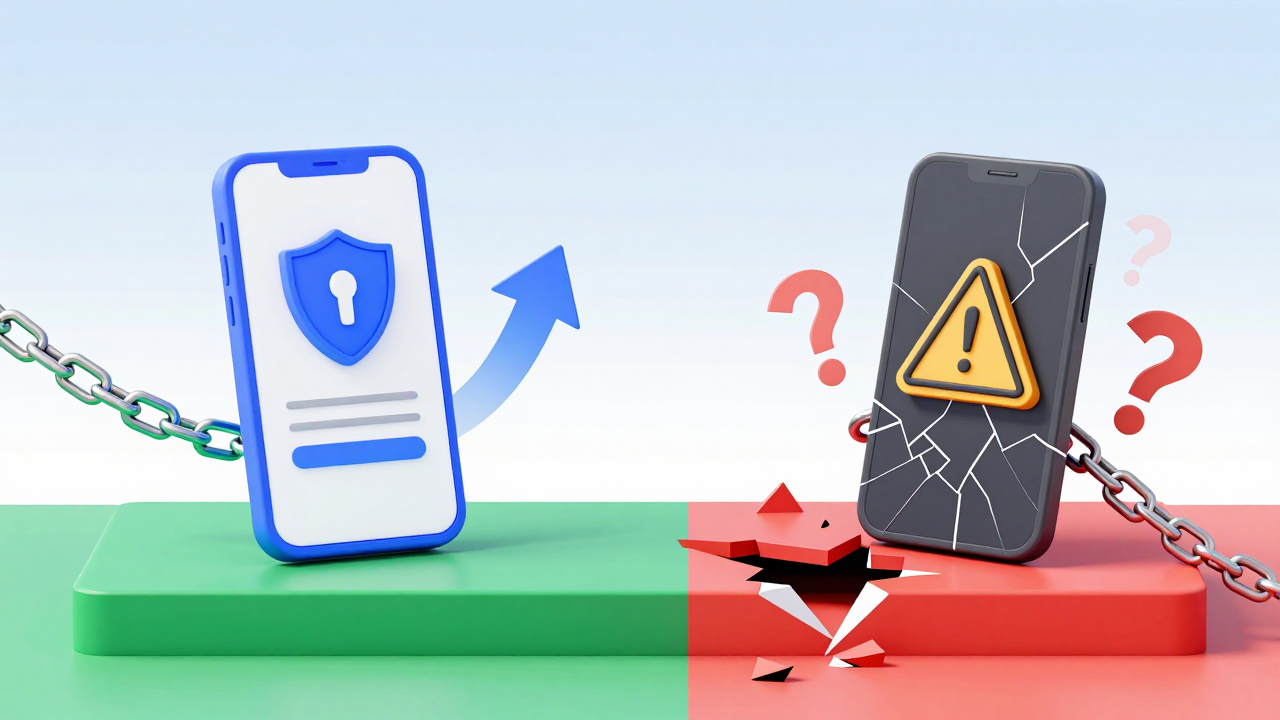
Here's a tactical tip: before scaling up, test with 1–2 numbers first. Register, then monitor for 7 days to confirm the accounts stay healthy and don't trigger risk controls. Only after things look stable should you scale. This is the standard playbook among seasoned cross-border operators.
The Compliance Line for SMS Verification Services and Risk Warnings
Let's be clear: SMS verification services aren't illegal by themselves. What determines compliance is how you use them. If you're registering accounts for fraud, fake orders, or malicious sign-ups, that's on you—not the tool.
From an industry standpoint, major platforms have significantly ramped up virtual number detection since 2025. WhatsApp, Telegram, and others now use device fingerprinting, IP correlation, and behavioral analysis to identify virtual-number registrations. What this means: even with a high-quality verification service, if your IP environment is unstable or your device fingerprint is dirty, your account can still get banned.
What I hear from experienced cross-border professionals is that the safest formula is "verification + clean IP + authentic device info"—all three, in combination. Verification only solves the registration step. Account warming and usage environment matter just as much.
How to Pick a Reliable Overseas SMS Verification Provider
By now, you should see that choosing an SMS verification service isn't about "which app to download"—it's about "which service model to adopt." Here are some actionable guidelines:
- Test before committing: For any provider, start with a small top-up or trial credits. Test number quality and retention before buying a big package.
- Check number block origins: Pricing varies wildly by country. US and UK numbers cost more but offer better stability. Cheaper, less popular countries might not even be supported by the platforms you need.
- Look for customer proof: Legitimate providers usually showcase case studies or client testimonials on their site. If you can't find any, treat that as a red flag.
- Confirm support availability: When codes don't arrive or numbers get occupied, can you reach customer support quickly? Many small platforms vanish when you need them most—and that's a dealbreaker in real-world use.
Platforms like Getfollow have built a stable reputation by following exactly this playbook—API access, transparent number origins, and small-scale testing options. These details genuinely matter for cross-border businesses. That said, always test any provider yourself before making a final decision.
One last word: when it comes to choosing an SMS verification service, slow is smooth, smooth is fast. Spending extra time upfront on testing and validation will save you far more hassle than dealing with bans, appeals, and re-warming later. Start small, confirm number quality and retention, then scale. That's the most reliable path in the cross-border community right now.
Frequently Asked Questions
Is it safe to use free SMS verification websites?
Generally, no. Free platforms recycle numbers heavily, which means those numbers are often flagged by major services. Accounts registered with them frequently get banned within hours or days. If you value your time and effort, avoid free services for anything beyond throwaway registrations.
What's the difference between shared numbers and dedicated numbers?
Shared numbers are used by multiple people, which increases the chance of triggering risk controls. Dedicated numbers are assigned to a single user, offering much higher retention rates. Dedicated numbers cost more—typically 3 to 5 times the price—but for business use, the investment pays off.
Can I use an SMS verification service to register WhatsApp or Telegram?
Yes, but success depends on the quality of the number and your overall environment. Even with a clean number, you need a stable IP and clean device information. Platforms like WhatsApp and Telegram have become sophisticated at detecting virtual numbers, so a holistic approach is essential.
How do I test an SMS verification provider before committing?
Start with a small credit top-up or use any trial allowance. Register one or two accounts and monitor them for at least 7 days. If the accounts remain stable without triggering risk controls, the provider is likely reliable enough to scale with.