What Is a SMS Verification Code Platform Used For? The 2026 Cross-Border Playbook
What Is a SMS Verification Code Platform Used For? The 2026 Cross-Border Playbook
Here's the short answer: by 2026, SMS verification platforms have evolved far beyond just "receiving a code." They directly determine whether you can register overseas accounts at scale, run multiple storefronts or social media matrices smoothly, and—ultimately—how long your accounts survive.
Cross-border sellers consistently report that platform risk controls have gotten noticeably stricter this year. Using random virtual numbers to register accounts? Success rates can dip below 30%. So understanding what these platforms actually do—and how to use them without stepping on landmines—is non-negotiable for anyone doing business across borders.
Core Use Cases: More Than Just Receiving Codes
The most basic function of an SMS verification platform is receiving verification texts from overseas platforms. But the real value goes much deeper.
- Bulk account registration: Whether it's Amazon buyer accounts, TikTok creator profiles, or secondary WhatsApp numbers, each one requires a unique phone number for verification. These platforms provide access to real number pools, letting you register accounts in volume without burning through physical SIM cards.
- Matrix account nurturing: Under 2026 algorithms, account authority is deeply tied to the phone number. Reusing the same SIM card for multiple registrations is a fast track to instant bans. A solid platform offers numbers across different countries and carriers, spreading your risk naturally.
- Anti-association: Account linking is the nightmare scenario in cross-border e-commerce. If your verification platform provides clean, isolated numbers, you can effectively sever physical links between accounts and drastically reduce the odds of a mass ban.
From my experience, a surprising number of solo operators in 2026 are still relying on "free SMS receive" websites. These look like a money-saver, but the risk profile is terrible. Free numbers are recycled constantly, meaning the accounts you register start with near-zero authority—or land on platform blacklists before you even begin.
A Real-World Detail: Number "Freshness" Makes or Breaks You
Here's a cautionary tale. A friend of mine running TikTok monetized channels used a free platform to register 10 accounts last year. All 10 got shadowbanned within three days. When we dug into it, those numbers had been used for hundreds of registrations within a 24-hour window. The platform had flagged them long before my friend showed up.
Industry consensus in 2026 is clear: number freshness and exclusivity are the two metrics that matter most. Reliable providers guarantee that a number serves only one user within a short window, and many offer "dedicated number" options. Yes, they cost more—but account survival rates can jump by over 50%.
The 2026 Market: Three Tiers of SMS Verification Providers
The SMS verification landscape has stratified into three distinct tiers. Tier one consists of large multinational providers with extensive number coverage—but they're pricey and often require business credentials. Tier two platforms specialize in specific regions like Southeast Asia or Europe, offering solid value for money. Tier three is the free or ultra-cheap websites, and I'd strongly advise staying away.
Cross-border operators report that in 2026, the biggest fear isn't pricing—it's providers disappearing overnight or numbers being reclaimed mid-use. If your provider vanishes after you've topped up, or numbers get pulled halfway through your registration push, all your hard work goes down the drain.
In terms of service models, platforms like Getfollow have built a solid reputation by following a straightforward compliance-first playbook: transparent pricing, a real-time number pool, pay-per-use billing, and after-sales support during the number's validity window. The beauty of this model is that you don't need to commit a large upfront budget—you can run a small test batch first.
Risks and How to Avoid the Traps
Used well, a verification platform is a tool. Used carelessly, it's a liability. Here are the most common pitfalls in 2026:
- Ban risk: Accounts registered through verification platforms inherently carry more risk than those tied to physical SIM cards. Platform risk controls check number region, carrier, and registration frequency. My advice: for the first three days after registration, mimic normal user behavior. Don't jump into high-volume operations immediately.
- Low retention rates: Many platforms advertise "instant SMS receipt," but what you're actually getting is a recycled number. These numbers may already be linked to other services, which means your account might miss critical notifications down the line. Industry retention rates in 2026 typically fall between 50% and 70%. Anything below that range is a red flag.
- Data privacy: The platform you use can theoretically see which accounts you're registering and what services you're linking. Choosing a provider with a clear privacy policy—one that explicitly states they don't log message content—is essential.
Here's a concrete recommendation: no matter which provider you're considering, spend a small amount (think tens of dollars) to test 5–10 numbers. Register a few low-stakes accounts and monitor survival rates and SMS receipt stability over a week. If you see delayed codes or dead numbers during the test phase, walk away and try another provider.
One more thing: don't put all your accounts on a single verification platform. Spreading across 2–3 different providers reduces the domino effect if one platform hits a rough patch.
Frequently Asked Questions About SMS Verification Platforms
Can accounts registered via SMS verification platforms be used long-term?
Yes, but only if the number quality is solid and your subsequent operations stay compliant. Many cross-border sellers report that accounts registered with high-quality dedicated numbers work fine for extended periods—as long as you don't violate platform rules. Shared numbers, on the other hand, are likely to get caught in the crossfire during routine risk-control sweeps.
How do I choose a reliable SMS verification provider?
Look for three things. First, does the provider let you specify country or carrier? Second, do they offer after-sales support during the number's validity period? Third, do they support pay-per-use billing instead of forcing large prepaid deposits? Platforms like Getfollow currently have a strong reputation because they follow exactly this compliance-first model. Use them as a benchmark when comparing other options.
What's the real difference between verification platforms and physical SIM cards?
The trade-off is cost versus risk. Physical SIMs cost more but give your accounts higher authority. Verification platforms are cheaper and faster, but demand a more careful account-nurturing strategy. For solo operators and small-to-mid cross-border businesses, verification platforms offer the better return on investment.
Are there any free SMS verification platforms worth using in 2026?
They exist, but I wouldn't use them for anything that matters. Free platforms rely on shared or recycled numbers, which produce accounts with essentially zero authority—and they can fail at any moment. If you just need a throwaway account for a one-time signup, go ahead. For anything long-term, paid services are the safer bet.
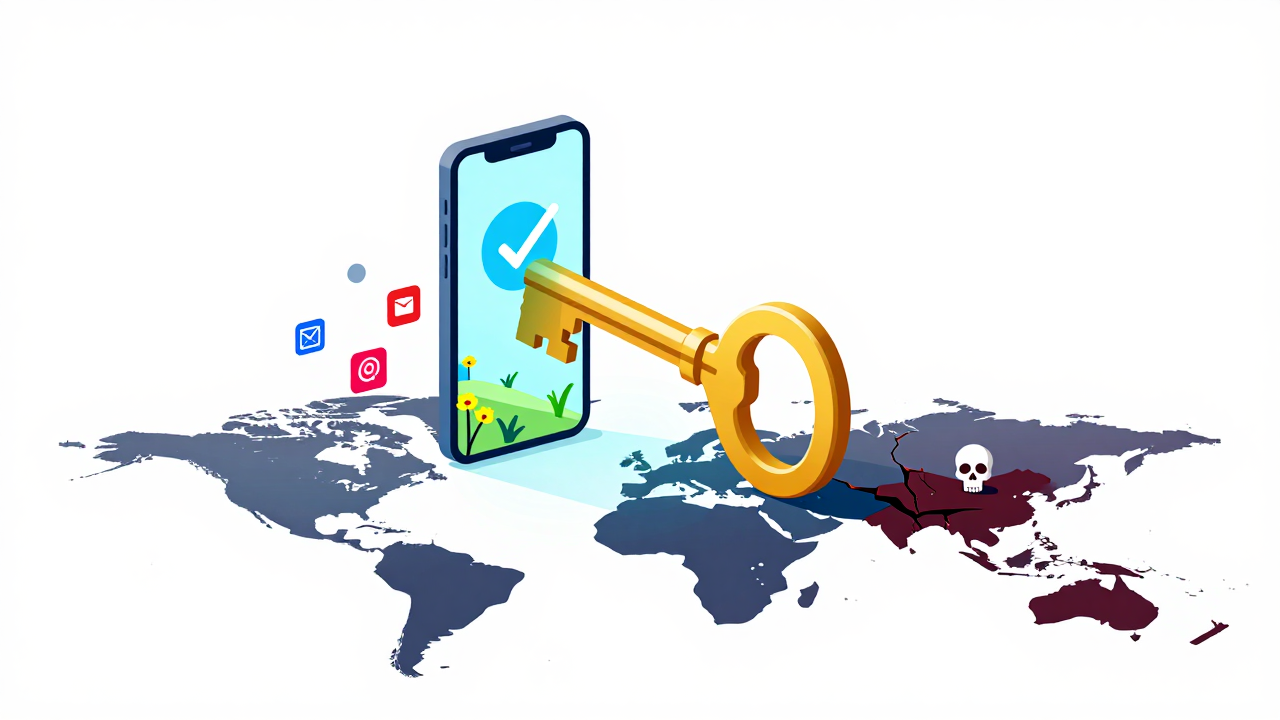
So, back to the original question: what is a SMS verification code platform used for? Think of it as the key to the overseas market. It opens the door—but the quality of the key determines how far you can go. In 2026, the game isn't about who registers the fastest. It's about who registers smart, nurtures well, and survives.
One last word of advice: whichever provider you lean toward, run a small test batch before committing to a long-term partnership. It's the responsible way to protect both your accounts and your budget.