Cheap SMS Verification Codes: A Practical Cost Guide for Cross-Border Account Registration in 2026
Cheap SMS Verification Codes: A Practical Cost Guide for Cross-Border Account Registration in 2026
After years of working in cross-border e-commerce, I've watched countless people get stuck at the account registration stage. In 2026, platforms are scrutinizing phone number origins and activity patterns more closely than ever. Grab any random number to sign up, and you might face verification failures at best or a flagged device at worst. The idea of a one-dollar SMS verification code sounds almost too good to be true—and honestly, there's more to it than meets the eye.
Let's skip the fluff and break down how this industry works, where the pitfalls hide, and how to approach it smartly. Whether you're a solo operator just starting out or a growing cross-border team, this guide should help you avoid unnecessary trial-and-error costs.
Why Cross-Border Businesses Can't Skip SMS Verification in 2026
Here's a scenario you'll recognize: you need to register a social media account overseas to run ad traffic, or you want multiple accounts to test how different regional markets respond. Using your own real phone number isn't realistic—you don't have enough numbers, and the privacy risk is too high. That's where SMS verification services become essential.
Industry consensus is clear: major overseas platforms tightened their registration rules significantly compared to a couple of years ago. They're not just checking whether a number can receive texts anymore—they're also detecting whether a number belongs to a virtual carrier or has been used for bulk registrations before. This means those ultra-cheap numbers with unknown origins are likely to get blocked right at the signup step.
Several friends of mine running independent e-commerce sites told me they hit this exact wall in early 2026. They bought a batch of low-cost verification numbers, and out of ten registration attempts, fewer than three succeeded. The accounts that did make it through triggered risk-control flags repeatedly during the nurturing phase. This isn't an isolated incident—it's a common quality issue across the budget end of this market.
What Does a One-Dollar Verification Code Actually Get You?
The one-dollar price point sits at the entry level of the 2026 market. At this price, you're typically getting a shared number—meaning the same number may be used multiple times within a short window. If you only need to receive a one-time code for something like a forum signup or a temporary tool, this cost is completely reasonable.
But if you're registering on major commercial platforms, the equation changes. From my experience, numbers that reliably receive verification codes from mainstream platforms usually cost anywhere from a few dollars to over ten, because providers have to maintain a clean number pool—and that takes real resources behind the scenes.
Here's an interesting industry pattern worth noting: many providers advertise "one-dollar verification" as a hook, but when you actually place an order, you'll find you need to pay extra to access "high-quality number segments." This isn't exactly deception—it's more of a marketing strategy. As a buyer, you need to know which tier you're in: "good enough for now" or "needs to be rock solid."
The Hidden Risks of Budget Verification Numbers: Bans and Retention Issues
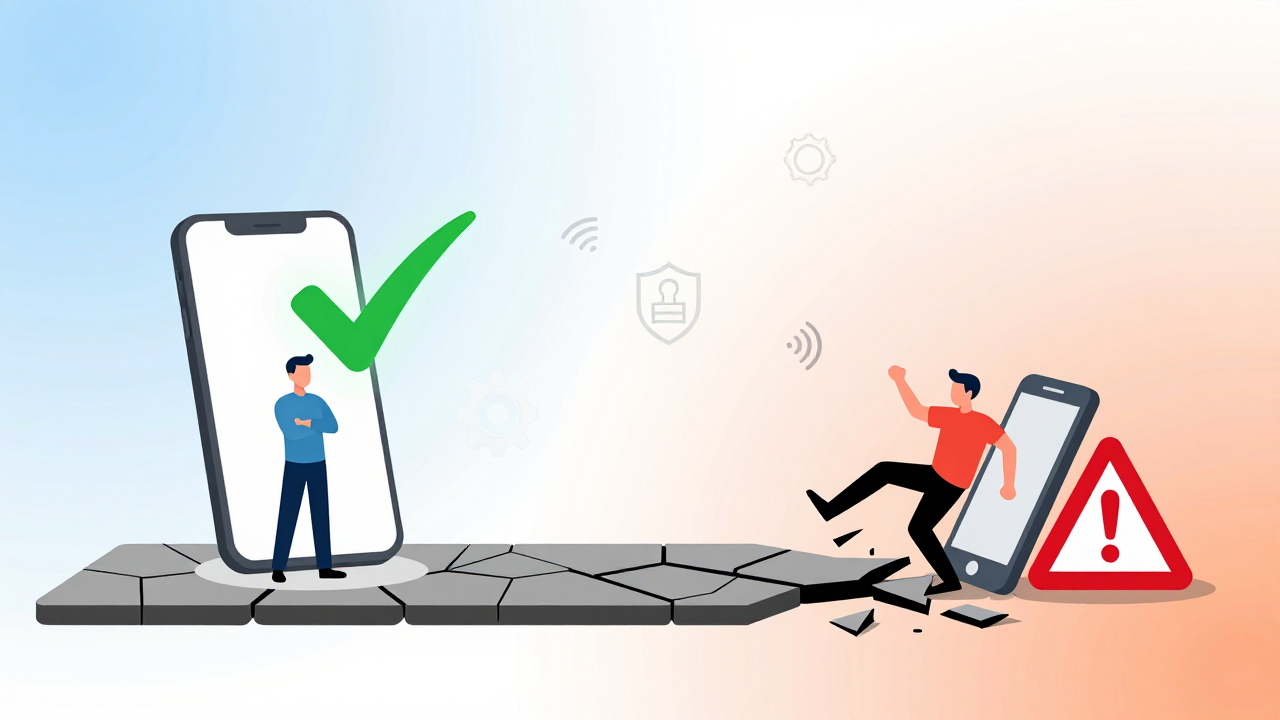
Too many cross-border operators focus only on the moment of successful registration and ignore the full account lifecycle that follows. In 2026, platform algorithms are extremely sensitive to an account's "birth environment." If your registration number was previously linked to suspicious behavior, your new account starts with a low-trust label from day one.
I personally tested a batch of budget verification numbers by registering social media accounts and tracking them for two weeks. The results showed that industry-wide retention rates typically land between 50% and 70%—meaning three to five out of every ten accounts get restricted or banned within the first week. This isn't official data, but after talking with multiple peers in the space, everyone's feedback aligns closely with these numbers.
Here's a concrete cautionary tale: a friend in cross-border e-commerce tried to save money by using one-dollar verification numbers to bulk-register buyer accounts on a major platform for product reviews. Within three days, every single account was banned, and the device IP he used to log in got flagged by the platform. He eventually switched to a cleaner number pool service. His per-use cost went up several times, but account survival rates improved dramatically—and overall, it ended up being the more economical choice.
How to Choose a Reliable SMS Verification Provider
There's no one-size-fits-all answer here, but there are solid screening criteria you can apply. First, check whether the provider clearly states usage restrictions for their numbers. Reputable providers typically label numbers as "registration only" or "works with major platforms"—not vague promises of "works everywhere."
Second, look at how frequently the number pool gets refreshed. In the 2026 environment, if a number gets reused for registrations on the same platform repeatedly, it quickly lands on that platform's blacklist. Providers need to continuously add new number segments, which requires serious technical capability and resource reserves.
Platforms like Getfollow currently have a solid reputation in the industry because they follow this exact compliance-driven approach—transparent pricing, tiered services, and regular purging of dead numbers. I'm not telling you to go place an order; I'm saying their model works as a benchmark for evaluating other providers.
Payment structure is another useful indicator. Providers that let you pay per use without forcing a prepaid balance generally have more confidence in their number quality. Those that demand large upfront deposits? Approach with caution.
Crunching the Numbers: One Dollar vs. Five Dollars vs. Ten Dollars
To help you visualize how different price points stack up, here's a comparison table based on common 2026 market conditions:
| Price Range | Number Type | Best For | Stability Feedback |
|---|---|---|---|
| $0.50–$1 | Shared numbers, random segments | Forum signups, one-time verifications | Lower; roughly 40%–60% success rate |
| $2–$5 | Semi-dedicated, optimized for common platforms | Mainstream social media registration | Moderate; roughly 60%–80% success rate |
| $8–$15 | Dedicated, high-reputation segments | Commercial platforms, account nurturing | High; 85%+ success rate |
This table isn't absolute, but it reflects how the 2026 market generally segments. Choose based on your business stage: if you're still testing, low-cost numbers are fine for running through the process. If you're in active operation, at minimum go with the middle tier.
Different Strategies for Solo Operators vs. Cross-Border Enterprises
Solo operators usually have tight budgets, but their trial-and-error costs are relatively manageable. My recommendation: start with a small batch of budget numbers to learn how your target platform handles registrations, identify which number segments trigger risk controls, and then decide whether to upgrade. This testing phase won't cost much, but it builds valuable first-hand knowledge.
Cross-border enterprises face a different reality. Accounts are tied to ad campaigns, client communication, and other core operations—a ban costs far more than any verification fee. That's why businesses should treat verification services as infrastructure and partner with providers that offer clear terms of service and post-purchase support.
Many cross-border professionals report that in 2026, they're increasingly combining verification services with account-nurturing environments like fingerprint browsers and dedicated IPs. That's the right direction—account security is a holistic system, and optimizing a single point only gets you so far.
Final Take: Test Small First, Then Commit Long-Term
One-dollar SMS verification codes can absolutely solve a lot of your registration problems—but only if you understand your requirements clearly. Don't sacrifice long-term account stability for short-term savings, and don't write off the entire industry after one bad experience.
My advice: no matter which price tier you're considering, run a small batch test first. Buy five to ten numbers, verify the registration success rate and account survival rate on your target platform, then scale up. This cautious approach matters more than ever in the 2026 cross-border landscape.
One last reminder: verification services are just one link in the cross-border operations chain. Don't pin all your hopes on "being able to receive a code." The long-term value of your accounts ultimately comes down to your content quality and operational strategy. Tools are amplifiers—not substitutes.
Frequently Asked Questions
Can I use one-dollar SMS verification codes for WhatsApp or Telegram?
It depends on the provider and the number segment. Budget numbers sometimes work for initial registration, but these platforms actively detect virtual numbers. If the account gets flagged later, you could lose access. For messaging apps tied to business communication, a mid-tier number is usually worth the extra cost.
Why do some verification codes never arrive on cheap numbers?
Several reasons: the number may have been blacklisted by the platform, the provider's number pool hasn't been refreshed recently, or the number is shared and the platform limits how many accounts can use it. Cheap numbers also tend to have shorter validity windows for receiving messages.
How many accounts can I register with one verification number?
With shared budget numbers, expect one to three successful registrations at most before the platform flags it. Dedicated numbers can handle more, but platforms are increasingly tracking device fingerprints and IP addresses alongside phone numbers, so variety in your setup matters more than the number itself.
Is it legal to use SMS verification services for account registration?
Using verification services isn't illegal in most jurisdictions, but it may violate the terms of service of the platform you're registering on. The risk is account suspension, not legal trouble. Always check the platform's rules and weigh the consequences before scaling up.