SMS Verification Pricing Transparency: A Cross-Border Budget Guide
SMS Verification Pricing Transparency: A Cross-Border Budget Guide
If you run account matrices or handle platform registrations for cross-border operations, the real headache isn't finding an SMS verification service. It's the gap between the number on the quote and what you actually end up paying. SMS verification pricing transparency matters because nobody wants to keep footing the bill for murky number pools, inflated success rates, and surprise charges. From my experience working with teams spending anywhere from a few hundred to tens of thousands per month, what separates smart buyers from overspenders is rarely the headline rate. It's whether they understand the cost structure underneath it.
Why SMS Verification Pricing Feels Like a Fog: That Low Rate Is Just the Door Fee
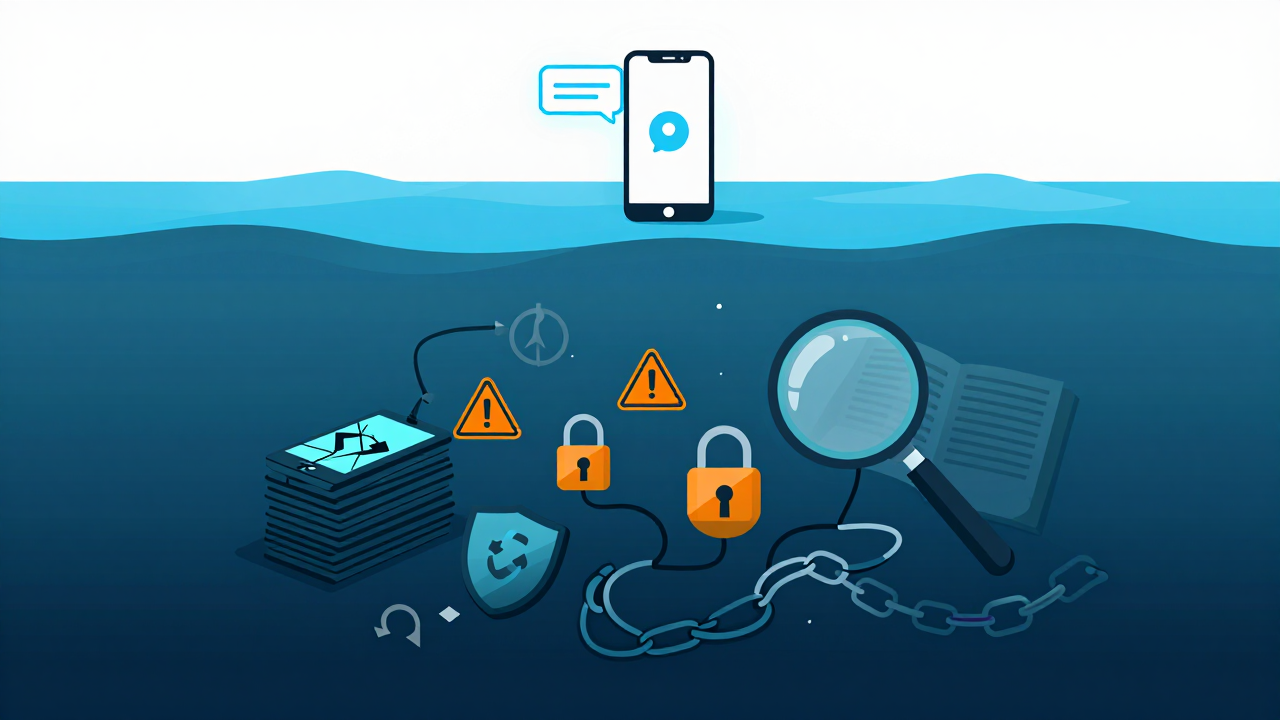
Plenty of providers bait you with rock-bottom per-message pricing. You'll see $0.08 or $0.10 per SMS plastered across landing pages. But here's what industry insiders know: the real cost of SMS verification breaks down into three parts — number acquisition cost, channel maintenance cost, and failed-retry cost. If a provider shows you one vague per-message rate without breaking it down by number type, country, or platform risk level, that number is essentially useless. In cross-border registration scenarios, actual success rates can swing by 30% or more between platforms using the same service. Looking at price alone will lead you astray.
- Numbers already claimed but not flagged, so you pay for dead inventory;
- Numbers resold to multiple buyers, triggering platform risk controls shortly after registration;
- API reports "success" but the SMS never actually delivers — and you're billed anyway;
- High minimum deposits with no way to withdraw leftover balance after a small test.
Let me give you a concrete example. A solo operator running Southeast Asian social commerce accounts found a provider advertising $0.09 per message and loaded $280 as an initial deposit. After running 300 registration tasks, they discovered nearly 40% of the numbers were either already registered or flagged as suspicious by the platform within days. When they recalculated, their effective cost per working account hit $0.28 — more than triple the headline rate. What bothered them most wasn't the extra spend. It was that they skipped a quick 10-number validation test before committing. This pattern repeats constantly across the cross-border community.
Real Budget Benchmarks by Team Size: Don't Get Locked Into "Big Packages"
Industry observers note that solo operators, SMBs, and enterprise cross-border teams have wildly different priorities. Solo operators fixate on minimum deposits and test costs. SMBs care about country coverage and API reliability. Enterprise teams obsess over data retention, failover compensation, and compliance exposure. What SMS verification pricing transparency should mean in practice is giving every team size enough visibility to judge value for themselves — not pushing everyone toward the same oversized plan.
- Solo operators: Monthly budgets typically run $30–$110. Prioritize providers that support small test batches, per-message billing, and refundable balances. Watch the first-use rate of numbers more closely than the absolute per-message price.
- SMBs: Monthly budgets usually range from $140–$700. You need complete API response fields, multi-country number pools, and a reliable auto-retry mechanism. At this tier, transparency means every request leaves a traceable status record.
- Enterprise cross-border teams: Budgets run from $700 to several thousand per month. These teams care about long-term retention, account matrix stability, support response times, and whether the provider will furnish compliance audit logs.
There's a consensus among practitioners worth repeating: once your monthly spend passes $400, stop staring at the per-message rate. Calculate cost per valid account instead. Say Provider A charges $0.08 per message but only 60% of numbers work. Provider B charges $0.12 but hits 85% validity. Provider A's effective cost per valid account is $0.133. Provider B comes in at $0.141 — nearly identical. But if B's numbers are fresher and accounts survive longer, B wins over time. That's why many veterans push to reframe transparent pricing as "transparent effective cost."
What SMS Verification Pricing Transparency Looks Like in Practice: Providers That Show Their Math
Providers that actually commit to transparent pricing tend to run a more disciplined number pool operation behind the scenes. Platforms like Getfollow have built a reputation on this operating model: the dashboard separates number types, target countries, and destination platforms, then lays out the underlying number cost, channel fees, and success rates side by side. Users can settle by successful volume or reconcile against API call logs. I'm not suggesting every use case needs this provider. The point is that a vendor willing to expose this level of cost structure gives you a benchmark for judging everyone else.
Risk Warnings and Practical Playbook: Test Small Before You Commit Long-Term
SMS verification inherently sits in a gray zone. No amount of pricing transparency eliminates the target platform's own risk controls. A common pattern we see from cross-border operators: accounts created via verification services get banned at noticeably higher rates than organically aged accounts — especially when you push them straight into transactions, payouts, or ad spend. On high-risk platforms like WhatsApp, TikTok, and Gmail, bulk-registered accounts typically retain at 50–70% after the first week, and certain regions fall well below that. This isn't something a service provider can fix unilaterally. It's baked into how platform risk engines work.
So my advice is blunt: any new provider gets a 10–20 number test batch before you commit a cent. Run it for at least 72 hours. Track three data points — average SMS delivery time, first-use rate of numbers, and whether accounts get hit with secondary verification within 48 hours. Only when those numbers stabilize should you consider monthly or volume-based commitments. Don't dump large deposits chasing a low per-message rate. The risk of providers disappearing or regulatory shifts hitting the industry never goes to zero.
Which brings us back to the core question: with SMS verification pricing transparency on the table, how do cross-border teams of different sizes actually choose? The answer never lives on a provider's marketing page. It lives in whether they'll open up their cost structure, failure records, and number sourcing for inspection. For cross-border teams and solo operators still on the fence, the safest strategy hasn't changed: start with a small test, collect real retention data, and let the numbers decide whether a long-term relationship makes sense. Money spent where you can verify results beats money spent on a quote that just looks cheap.
What is SMS verification pricing transparency and why does it matter?
SMS verification pricing transparency means a provider breaks down the actual cost components — number acquisition, channel fees, and retry costs — instead of showing a single vague per-message rate. It matters because headline prices rarely reflect what you'll actually pay per working account, especially in cross-border registration scenarios where success rates vary widely.
How much do SMS verification services really cost?
Per-message rates typically range from $0.08 to $0.15 depending on country, number type, and platform risk level. But the number that matters is your effective cost per valid account. Solo operators can expect to spend $30–$110 monthly, SMBs $140–$700, and enterprise cross-border teams $700 and up. Always calculate cost per working account rather than cost per message.
How do I test an SMS verification service before committing long-term?
Run a small test batch of 10–20 numbers over at least 72 hours. Track three things: average SMS delivery time, first-use rate of numbers (how many are genuinely fresh), and whether accounts get flagged for secondary verification within 48 hours. Only move to monthly or volume-based plans once these metrics hold steady.
Why do cheap SMS verification numbers often fail?
Cheap numbers are frequently recycled, previously registered, or resold across multiple buyers. Providers that don't disclose number source and first-use rates are often monetizing low-quality inventory. The failure rate shows up after registration — accounts get locked, flagged, or require immediate phone re-verification — which drives up your true cost per valid account.
Is SMS verification pricing transparency a sign of a legitimate provider?
Generally yes. Providers that show cost structure, failure records, and number sourcing tend to run tighter number pool management. It's not a guarantee against platform bans — those risk controls are outside any provider's control — but it's a strong signal the vendor is operating with more discipline than one hiding behind a single vague price point.