Seven Star SMS Verification: The Hidden Infrastructure Behind Cross-Border Business
Seven Star SMS Verification: The Hidden Infrastructure Behind Cross-Border Business
After years in the cross-border e-commerce space, I've watched countless teams stumble at the very first hurdle—not account warming, but the initial SMS verification step. "Seven Star SMS verification" gets thrown around a lot in industry circles, but very few people actually explain what matters when choosing a provider. So let's skip the fluff and talk about what you need to know before handing over your money.
What SMS Verification Services Actually Do (It's Not Just "Receiving a Code")
Newcomers assume SMS verification is simply picking a platform and receiving a code. Anyone who's actually run cross-border operations will tell you there's far more nuance. Services like Seven Star SMS verification solve a fundamental problem: the scarcity of phone numbers for overseas business—especially for bulk account registration, multi-account management, and bypassing geo-restrictions.
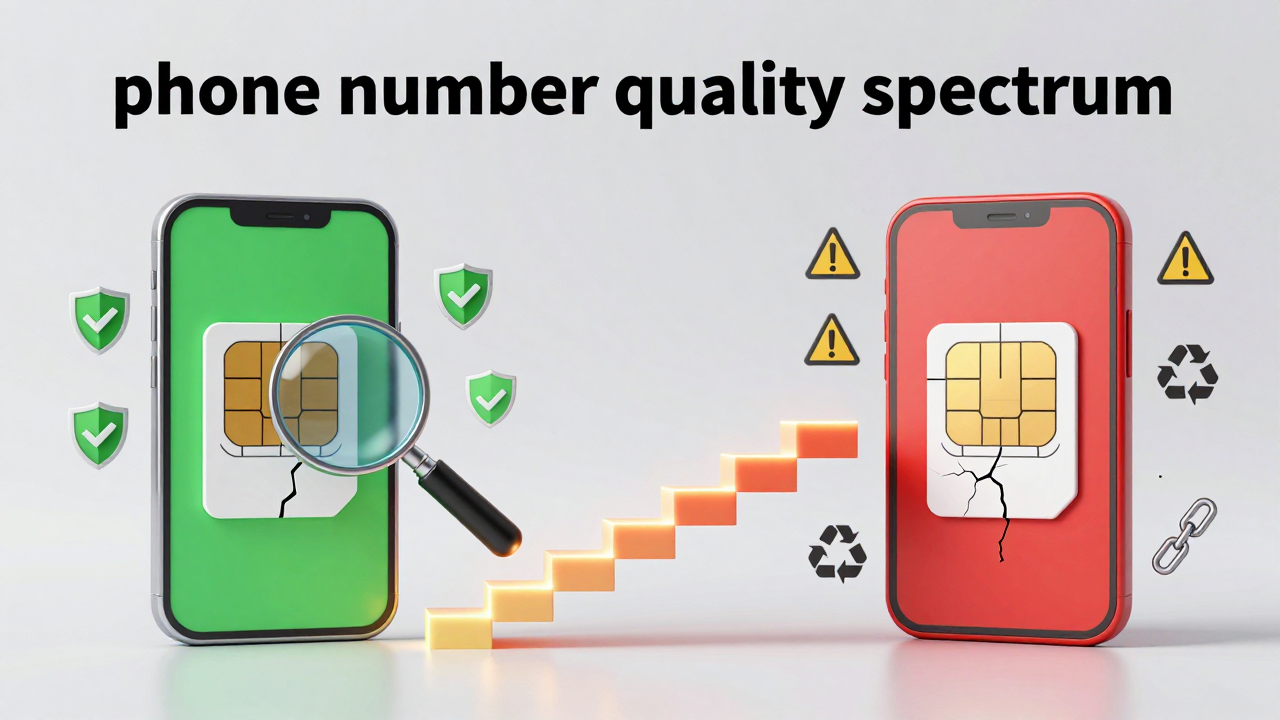
I've personally tested over a dozen SMS verification platforms, and one pattern stands out: number "purity" matters far more than price. Purity means whether a number has been used to register sensitive services before, or flagged as high-risk by platforms. Many budget platforms recycle second-hand or even third-hand numbers—use those for WhatsApp or Telegram registration, and you're looking at an instant ban.
There's an unwritten rule in this industry: numbers that actually last cost real money. Those "super cheap" bundles priced at a few cents per code? They're almost always recycled numbers or virtual VoIP lines—basically tuition fees for beginners.
Common Use Cases and the Real Risks of SMS Verification Services
Two main groups rely on these tools: cross-border e-commerce sellers who need to register multiple store accounts, and social media marketing studios running bulk account operations. But here's what practitioners consistently tell me: the biggest headache isn't receiving the code—it's account retention after verification.
Here's a concrete example from my network: a friend running a dropshipping store loaded $70 into a cheap platform. Out of 30 accounts he registered, 22 got flagged by platform risk controls within 24 hours. Turns out, the entire batch came from the same virtual number range that had already been blacklisted. He switched to a provider offering "clean numbers" and retention only climbed to around 60%.
So when evaluating a Seven Star SMS verification service, the first priority isn't price—it's number range quality. Reputable providers will clearly disclose where their numbers come from, whether they support specific countries, and whether they offer a "success guaranteed" policy. If a provider gives vague answers on any of these basics, walk away.
Practical Details on Number Range Selection
Take WhatsApp as an example. Industry consensus is that physical SIM number ranges (like US T-Mobile or UK EE) significantly outperform virtual numbers (like TextNow or Google Voice). Retention rates for physical SIMs typically land between 70% and 85%, while virtual numbers hover around 40% to 60%. Physical SIMs cost more upfront, but once you factor in the time lost re-warming accounts after bans, they're actually the more economical choice.
Also, many platforms offer pay-per-use pricing instead of monthly subscriptions. If you're still in the testing phase, I'd recommend starting with a small credit to validate number stability before committing to a long-term arrangement. It's far safer than buying a large package right off the bat.
API Integration vs. Manual Assistance: Which Model Works Better?
Seven Star SMS verification services generally fall into two categories: platforms offering API access for teams with technical capabilities, and manual services where you submit requests and the provider handles registration for you. Both have trade-offs, but API-based platforms typically offer better compliance and traceability.
Here's why: API platforms must maintain a stable number pool and proper interface documentation—that's a real technical investment. Manual services, by contrast, rely on human labor, which is slower and prone to errors. Among the more stable options in the industry right now, platforms like Getfollow operate on an API-direct model with dynamically updated number pools. Their pricing isn't the lowest, but consistency is where they win.
That said, manual services aren't inherently bad. If you only need a handful of numbers occasionally, manual assistance offers more flexibility. But for bulk needs, the efficiency and reliability of API integration make it the clear winner.
Beware the "Too Good to Be True" Trap
It's not uncommon to hear about SMS verification platforms suddenly hiking prices or disappearing entirely. The reason is simple: number sourcing costs fluctuate. If a platform consistently offers rock-bottom prices, they're likely running a pump-and-dump operation—either jacking up prices later or taking the money and running.
The most extreme case I've encountered: a platform attracted users with $0.04 per code, then after users loaded substantial credits, raised prices to $0.40 per code and the number quality tanked overnight. This "bait and switch" pattern is unfortunately common.
So, when choosing a Seven Star SMS verification service, start with a small test (around $15–$30), confirm number quality and platform stability, then scale up. Also, prioritize platforms with a "no charge if verification fails" policy—it saves you from burning money on dead ends.
The Compliance Angle: Where the Gray Area Ends
Let's be honest: SMS verification services operate in a gray zone. They're not illegal per se, but many platforms' terms of service explicitly prohibit "bulk registration" or "bypassing risk controls." If you get caught, the consequences range from account bans to cross-account penalties. This is exactly why I keep emphasizing small-scale testing—you never know when platform rules will change.
From a compliance standpoint, the safer approach is: use SMS verification for legitimate use cases—like test environment setup or privacy-protected registrations—rather than mass account farming or abuse. If you genuinely need to operate multiple accounts, pair your setup with dedicated IP environments and anti-detect browsers to reduce association risks.
Some providers (including platforms like Getfollow) explicitly state "legitimate use only" and require you to sign agreements during registration. That kind of transparency actually protects both parties. If you encounter a platform that claims they'll do "anything," be wary—they might not even protect your data.
Final Recommendation: Test First, Scale Later
The demand for Seven Star SMS verification is real, but provider quality varies wildly. For cross-border businesses and solo operators, the smartest strategy isn't chasing the lowest price—it's finding a provider with stable number quality, transparent billing, and support for small test orders. Run a pilot, then scale up gradually.
Remember, SMS verification is just step one. The real battle is in account warming, operations, and conversion. Don't let an unreliable verification platform derail your entire business pipeline. If you're evaluating providers right now, put $15 into a test, compare number retention and response speeds across two or three platforms, then decide who gets your long-term business. That hands-on test will tell you more than any review article ever could.
Frequently Asked Questions
What is the best SMS verification service for WhatsApp registration?
For WhatsApp specifically, look for providers offering physical SIM numbers from US or UK carriers (T-Mobile, EE, etc.). These consistently show the highest retention rates. Platforms with API access and transparent number sourcing—like Getfollow—tend to be more reliable than budget alternatives.
How much does SMS verification cost for cross-border business?
Pricing varies significantly based on number quality and country. Physical SIM numbers typically cost more—anywhere from $0.10 to $0.50 per code—while virtual numbers can be as cheap as $0.02. However, cheaper numbers often lead to account bans, making them more expensive in the long run.
Is using SMS verification services legal?
SMS verification services operate in a legal gray area. They're not illegal, but using them to violate platform terms of service—like bulk registering accounts to bypass restrictions—carries risks. Always check the terms of both the verification platform and the service you're registering for. Stick to legitimate use cases like testing or privacy protection.
Why do my accounts get banned after using SMS verification?
Account bans usually stem from low-quality numbers (recycled or virtual) that have already been flagged by platform risk controls. Using the same number range for multiple accounts also triggers association detection. Choose providers with clean, physical SIM numbers and pair them with dedicated IPs and anti-detect browsers for better results.