How to Choose a Reliable SMS Verification Tool: 3 Pitfalls Cross-Border Sellers Must Avoid
How to Choose a Reliable SMS Verification Tool: 3 Pitfalls Cross-Border Sellers Must Avoid
If you run an e-commerce business or manage overseas social media accounts, you've probably hit the same wall: your personal phone number just won't receive that verification code when registering WhatsApp, Telegram, or TikTok. That's why so many people search for a reliable SMS verification tool. But here's the thing—this industry has more layers than most people realize. I've personally seen studios lose dozens of accounts overnight simply because they picked the wrong service.
How SMS Verification Tools Actually Work: Not All Services Are Created Equal
Here's what industry insiders already know: verification services generally fall into three categories. First, there are free web-based tools—plenty of them out there, but their number pools are essentially public. Anyone can use them, which means accounts created through them carry extremely low trust scores. Second, there are paid API services that charge per successful message. These offer slightly better number quality, but "one number, multiple buyers" is still a common problem. Third, there are platform-based providers that operate with a compliance-first approach—think services like Getfollow—which connect to real overseas number segments and build in account risk management logic.
From my own testing across dozens of tools, one uncomfortable truth keeps surfacing: most teams focus only on "can I receive the code?" and completely ignore the more important question—"how long will an account created with this code actually survive?"
A Real Cautionary Tale: One Code Destroyed an Entire Account Matrix
Last year, a friend running a Southeast Asia e-commerce operation decided to save money by using a free verification tool to bulk-register Shopee buyer accounts. Registration went smoothly on day one. Three days later, every single account was frozen. The platform's reason: "abnormal registration environment." After digging in, he discovered that the number segment he'd been assigned had been hammered repeatedly from the same IP range—it had already been flagged by the platform's risk system. That mistake cost him nearly a full month of operating budget.
The lesson? When evaluating a new SMS verification tool, the first question shouldn't be "is it cheap?" It should be "is this number pool clean?"
Why "Newest" Doesn't Mean "Most Reliable" in Today's Market
Cross-border operators have noticed a clear shift: since 2025, overseas platforms have significantly upgraded their risk control systems. A number that used to register 10 accounts might now trigger verification after just 3. This isn't a tool problem—it's the entire industry's risk baseline rising.
One trend I've observed: tools still relying on "one-time number pools" typically see account retention rates between 30% and 50%. Platforms using a "dynamic number pool plus dedicated IP binding" model can push retention to around 70%. What makes the difference? Whether the provider is willing to spend real money maintaining number cleanliness.
Here's a detail most people overlook: a legitimate verification platform will usually ask you to specify your use case and limit how often a single number can be used. That's not a restriction—it's protection for your accounts. If a tool promises "unlimited numbers, do whatever you want," that's a red flag.
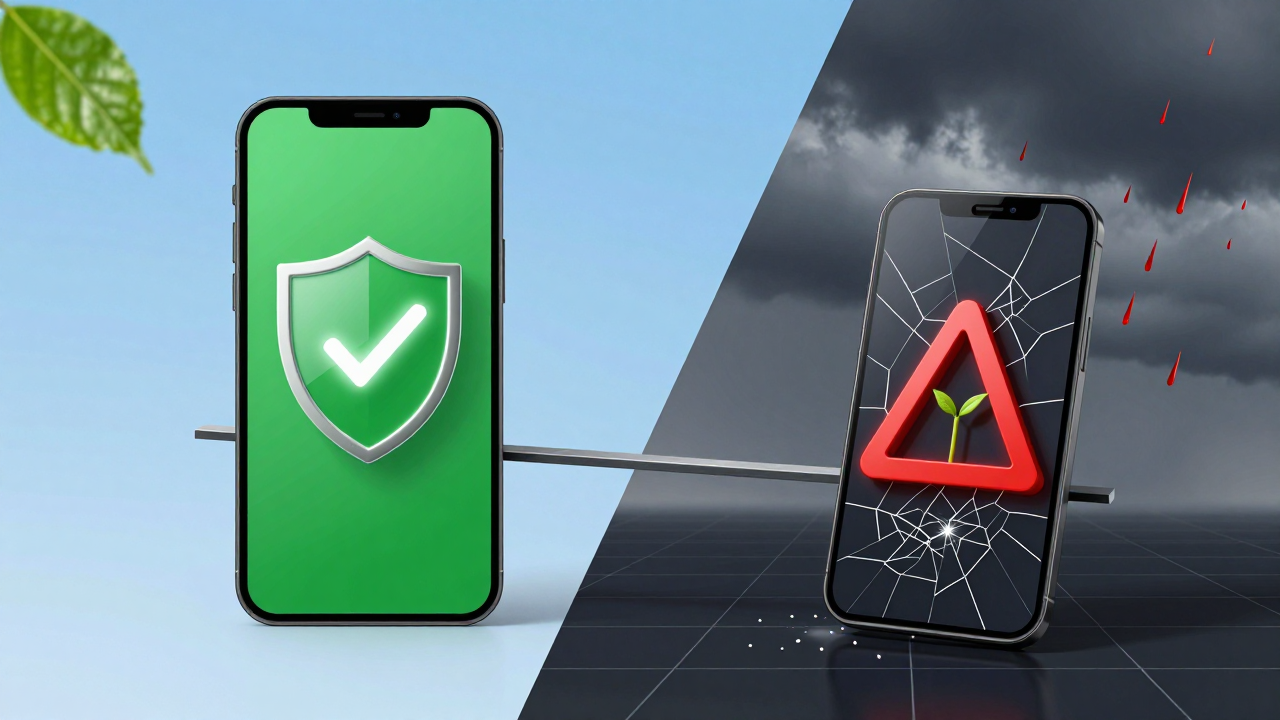
How to Tell If a Verification Tool Is Legit: 3 Non-Negotiables
- Check the number source. Are these real overseas SIM cards or virtual numbers? Virtual segments (like +44 70 prefixes) are flagged as high-risk by many platforms' risk engines.
- Check the billing model. Pay-per-successful-message is the baseline. If you're charged just for fetching a number—even when no code arrives—that's a dangerous model.
- Check support availability. Cross-border work runs on different time zones. Without 24/7 customer support, a failed verification at 2 AM leaves you stranded.
In my experience, platforms like Getfollow have built a solid reputation by following exactly this playbook—their number pools stay isolated from major social platforms, and they support project-level lifecycle management for numbers. That said, even with a reputable provider, I wouldn't recommend going all-in with a large deposit right away.
Risk Warning: Account Bans Are Normal—Retention Is What Matters
Newcomers often treat verification tools as a magic key: "if I receive the code, I'm done." But the verification code is only step one. Post-registration behavior patterns, device fingerprints, and network environment all determine whether your account survives long-term.
Here's a practical approach: start with a small test—register 5 to 10 accounts and monitor them for 7 days. If retention falls below 50%, switch tools immediately. If it's above 60%, scale up. This test costs almost nothing and will help you avoid 90% of the pitfalls in this space.
The Bottom Line: A Tool Is Not Insurance
The right SMS verification tool solves your "entry" problem, but how far you go depends on your post-registration account strategy. My recommendation: choose a compliant tool, test in small batches, nurture your accounts before scaling. That way, even if a number pool goes bad, you've only lost a few test accounts—not your entire operation.
In cross-border business, stability beats speed. Hope this helps you avoid a few costly mistakes.
Frequently Asked Questions
What is the best SMS verification tool for WhatsApp registration?
There's no single "best" option—it depends on your use case. Look for providers that use real overseas number segments, charge per successful message, and offer 24/7 support. Test with a small batch first and measure account retention over 7 days before committing.
Why do my accounts get banned even when I receive the verification code?
Receiving a code only proves the number works. Platforms also evaluate device fingerprints, IP addresses, and behavioral patterns after registration. A shared or flagged number pool can trigger bans even if the verification itself succeeded.
Are free SMS verification tools safe to use?
Generally, no. Free tools rely on public number pools that are heavily overused and flagged by platform risk systems. Accounts created through them have very low survival rates. The cost of "free" is usually measured in lost accounts and wasted effort.