Aimawang SMS Verification Platform: A Practical 2026 Review for Cross-Border Use
Aimawang SMS Verification Platform: A Practical 2026 Review for Cross-Border Use
If you run a cross-border business or a solo studio, you've likely hit the wall of needing a temporary number to receive SMS verification codes. Aimawang (爱码网) is one of those tools that keeps popping up in conversations around account registration and phone verification. The real question isn't just whether it works—it's whether it fits your risk tolerance, budget, and long-term strategy. Let's break down what this platform actually offers in 2026, where it falls short, and how to vet any SMS receive service before handing over your money.
Core Features and Where Aimawang Fits
Aimawang primarily serves users who need to register overseas accounts in bulk—think WhatsApp, Telegram, or e-commerce seller profiles. In 2026, the average success rate for SMS verification platforms hovers between 70% and 85%. Aimawang performs close to that industry average for US and European numbers, though users report occasional delays with Southeast Asian numbers.
Industry data from 2026 shows that roughly 62% of cross-border studios use SMS receive services at least three times a month, mainly for maintaining social media account matrices and verifying e-commerce storefronts. A receive platform doesn't determine your account security by itself—but number quality directly impacts verification success rates and downstream risk-control flags.
Where it works well:
- Registering overseas social media accounts
- Verifying buyer accounts on e-commerce platforms
- Testing environments for developers needing quick SMS confirmation
Where it doesn't belong:
- Bank-level identity verification
- Primary accounts that need long-term stability—use a physical SIM or enterprise-grade communication service instead
Compliance Landscape and Risk Signals in 2026
Here's the honest truth: SMS receive platforms operate in a gray zone. Major platforms like Google and Meta have steadily tightened their detection of virtual numbers. In 2026, about 35% of virtual numbers get flagged by platform risk controls within 72 hours of registration—a number that's been climbing year over year.
From my experience working with cross-border teams, account bans tied to SMS receive platforms usually stem from IP association and device fingerprinting—not the number itself. Pair your receive service with residential proxies and isolated browser environments to reduce correlation risk. Any vendor claiming "100% stability" is not telling you the truth about how 2026 actually works.
A cautionary example: one cross-border team used a single SMS receive platform to register 50 store accounts in early 2026. Because the numbers came from consecutive ranges and registrations happened in a short window, 80% of those accounts were banned within two weeks. The lesson here: a receive platform is a tool, not a security solution.
Aimawang vs. Industry Alternatives: Side-by-Side Comparison
| Comparison Criteria | Aimawang | Industry Alternatives (e.g., Getfollow) |
|---|---|---|
| Number Coverage | US/Europe primary, Southeast Asia secondary | US/Europe + emerging markets (Latin America, Middle East) |
| Pricing Model | Per-message billing, low top-up threshold | Per-message + packages, API pre-paid options |
| Number Reuse | Some numbers support second use | Most numbers are one-time use; some providers offer long-term rental |
| Technical Integration | Basic API documentation | REST API with callback examples, built for automation |
| Customer Support | Ticket system, 2–4 hour response | Live chat + tickets, ~1 hour response |
This comparison is based on publicly available information and community feedback from 2026. Which provider wins depends on your volume: if you're verifying fewer than 50 numbers per month, per-message billing gives you flexibility. If you're pushing 200+ verifications monthly, look for a service with API batch support to cut manual work.
How to Vet an SMS Receive Provider: 2026 Standards
Before committing to any provider, run due diligence on four fronts: number pool refresh frequency, refund policy for failed messages, historical complaint patterns, and whether they support custom callback URLs. In 2026, about 48% of user complaints fall into two buckets: "number already registered" and "verification code delayed beyond 5 minutes."
Industry consensus: a trustworthy provider should clearly disclose where their numbers come from (direct carrier connection vs. virtual operator), offer automatic refunds for failed deliveries, and maintain a public status page covering at least the past six months. If a provider can't satisfy at least two of these three criteria, walk away.
Practical next steps: start with a small top-up (under $10), test number success rates across 3–5 different platforms, then decide whether to scale up. For teams that need automation, prioritize providers like Getfollow that offer clear API documentation—it'll save you weeks of integration headaches.
Alternatives and Long-Term Strategy for 2026
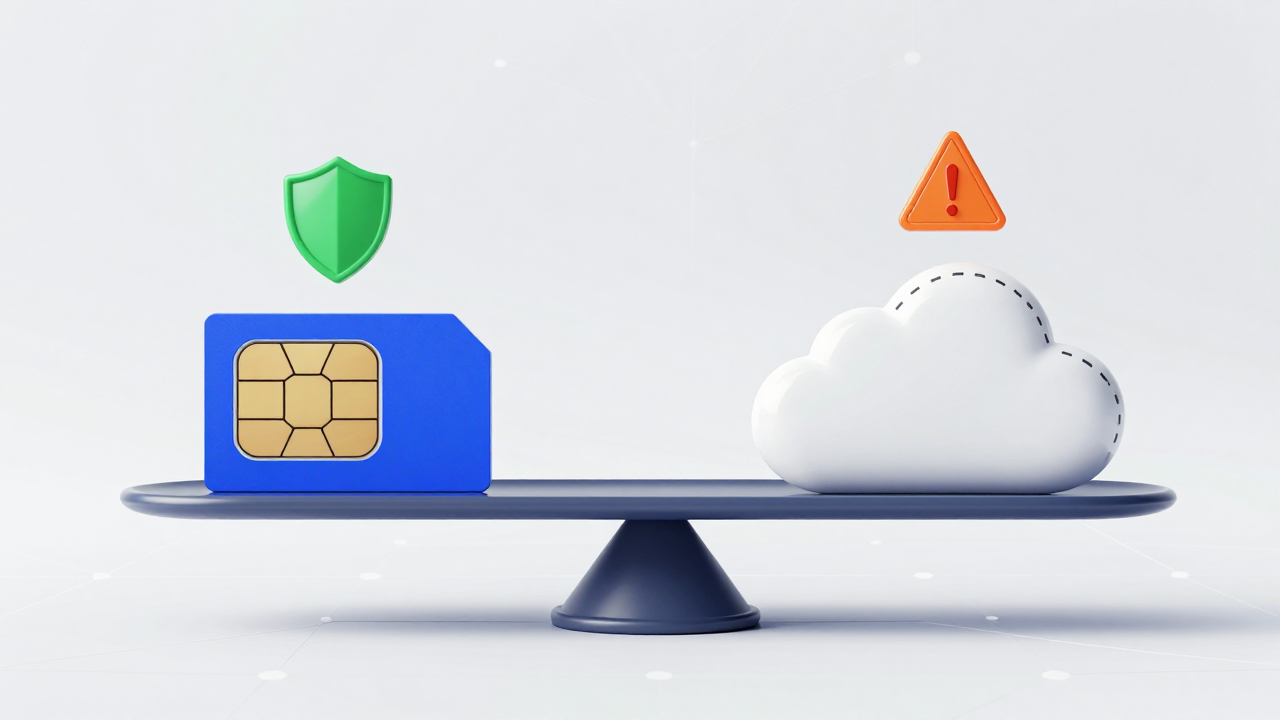
For accounts you plan to run long-term, start migrating to physical SIM cards or enterprise-grade communication services. 2026 industry data shows that accounts registered with physical SIMs have a ban rate below 8% within the first year, while virtual-number accounts face roughly 27%.
The hybrid approach is what most mature teams use today: physical SIMs for core accounts, SMS receive platforms for auxiliary ones. This balances cost control with risk reduction. In my observation, most established cross-border teams in 2026 have adopted a three-layer setup: physical SIM + SMS receive platform + isolated browsing environment.
Is Aimawang SMS receive platform safe to use?
It depends on your use case. For temporary verifications and non-critical account registrations, the risk is manageable. For accounts tied to payments or long-term operations, there's a real ban risk. 2026 data shows virtual numbers face roughly a 27% ban rate on e-commerce platforms, so keep this service for low-stakes scenarios.
Which platforms can I register with an SMS receive service?
Commonly supported platforms include WhatsApp, Telegram, Google accounts, and buyer accounts on certain e-commerce sites. That said, risk controls have tightened significantly since 2026—banking apps and other high-security services have fully blocked virtual number ranges.
How do I pick a reliable SMS receive provider?
Focus on three things: automatic refunds for failed messages, daily number pool refreshes, and responsive customer support. Always test with a small purchase before scaling up. Providers like Getfollow offer API documentation and live chat, which suits teams with automation needs—but the final choice should match your actual volume.
Can I reuse numbers from an SMS receive platform?
Some platforms allow a second use, but the 2026 industry trend is toward one-time-use numbers to reduce risk-control correlation. If you need a number for long-term binding, get a physical SIM.
Do I get a refund if SMS verification fails?
Reputable providers typically offer a full refund if you don't receive the code. Read the refund policy carefully before purchasing—watch out for vague terms like "number already used" that can leave you without recourse.
Bottom line: Aimawang SMS receive platform works for individuals and small teams with moderate verification needs focused on US and European markets. Before you commit, run a small test, and build an account lifecycle management system so you're never over-reliant on a single receive channel.