Text Verification Code Apps for Cross-Border Business: What Nobody Tells You
Text Verification Code Apps for Cross-Border Business: What Nobody Tells You
After two years working in cross-border e-commerce, I've learned one thing the hard way: account registration can be a massive bottleneck. A lot of people ask me whether SMS verification apps like Corn SMS (玉米短信接码) are worth using. My honest answer? They work—but it all depends on how you use them and who you use them with. Let's skip the flashy marketing claims and talk about what's really happening behind the scenes in this industry.
Why SMS Verification Platforms Suddenly Got So Popular
Put simply, the demand is born out of necessity. Whether you're registering for overseas social media accounts, e-commerce storefronts, or SaaS tools, phone verification is unavoidable. The problem? Most international platforms simply don't deliver verification codes to Chinese phone numbers—or if they do, the codes get flagged by risk controls immediately. That gap created a massive market for SMS verification services.
From my conversations with cross-border operators, a common pattern emerges: during peak periods, they need to register a dozen or more accounts in a single day. Buying physical SIM cards for each one is costly, hard to manage, and risks triggering device association flags. That's why cloud-based verification platforms became the go-to solution. Tools like Corn SMS essentially take phone number resources from carriers or card suppliers and make them available to users via API or app interfaces, allowing instant receipt and forwarding of verification codes.
But here's the industry consensus nobody talks about: this space is full of pitfalls. Number quality varies wildly, and providers disappearing overnight isn't exactly rare. I've seen a studio load several thousand yuan into a platform, only to have the service go dark within two weeks. The money vanishes, and the accounts they'd already registered become nearly impossible to recover without backup verification methods.
The Three Main Types of SMS Verification Services—Can You Tell Them Apart?
Based on my observations, verification services on the market today fall into three broad categories. Understanding the differences is the only way to figure out which one fits your specific use case.
- Shared Number Pool: All users share the same batch of numbers. Costs are rock-bottom, but the numbers get reused constantly, registration success rates are unstable, and you'll likely trigger platform risk controls that get accounts banned almost instantly. Fine for grabbing a one-off code you don't plan to build on, but nothing more.
- Private Number Pool: The provider assigns a dedicated number segment to each customer. Fewer users means cleaner number reputation and noticeably higher registration success rates. Pricing typically runs 5–10 times higher than shared pools—worth it if you need accounts that actually survive.
- Direct Carrier / Custom API Access: This connects you directly with upstream carriers, letting you specify countries, operators, and even number segments. Maximum flexibility, but you'll need technical chops to integrate the API, and minimum top-up amounts tend to be steep.
Here's a pattern I keep hearing from operators: they start with a shared pool to save money, only to find that barely half their registration attempts succeed. The rest either never receive codes or get flagged within 24 hours. After switching to a private pool, costs go up—but overall efficiency improves dramatically. You stop wasting time on trial and error, and both labor and time costs actually drop.
Corn SMS App: Real-World Experience and Hidden Risks
To be fair, Corn SMS does a solid job on user experience. The interface is clean, it supports both Android and iOS, and the payment options are flexible. But as someone who watches this industry closely, I'd be doing you a disservice if I didn't flag a few risks that are easy to overlook.
Risk #1: Guilt by Association. If a platform detects suspicious activity on an account registered with a verification number, the worst case is an outright ban. What's more frustrating? If other users on the same number segment engage in shady behavior, your account can get caught in the crossfire. In the industry, we call this "number contamination," and it's the single biggest headache in verification services.
Risk #2: Delayed or Lost Codes. Plenty of platforms advertise "instant delivery," but in practice, delays of 1–3 minutes during peak hours are the norm—and sometimes codes never arrive at all. If you keep requesting new codes during registration, you'll trigger the platform's security alerts and get your registration process forcibly terminated.
Risk #3: Support and Stability. The barrier to entry here is low. A small team can spin up a server and launch a platform with minimal overhead. But when things go wrong—and they will—the cost of walking away is equally low. I've seen multiple cases where a platform operated for a few months, then shut down abruptly, wiping out users' prepaid balances with zero compensation.
Here's a real example that illustrates the point: a friend running a dropshipping store decided to bulk-register TikTok accounts on a verification platform, loading up 2,000 yuan on a "value package." By the eighth account, the platform told him number resources were running low and pushed him to upgrade to a pricier tier. He hesitated—and the next day, his account was banned for "abnormal registration behavior." It took him switching providers entirely to figure out how the game really works.
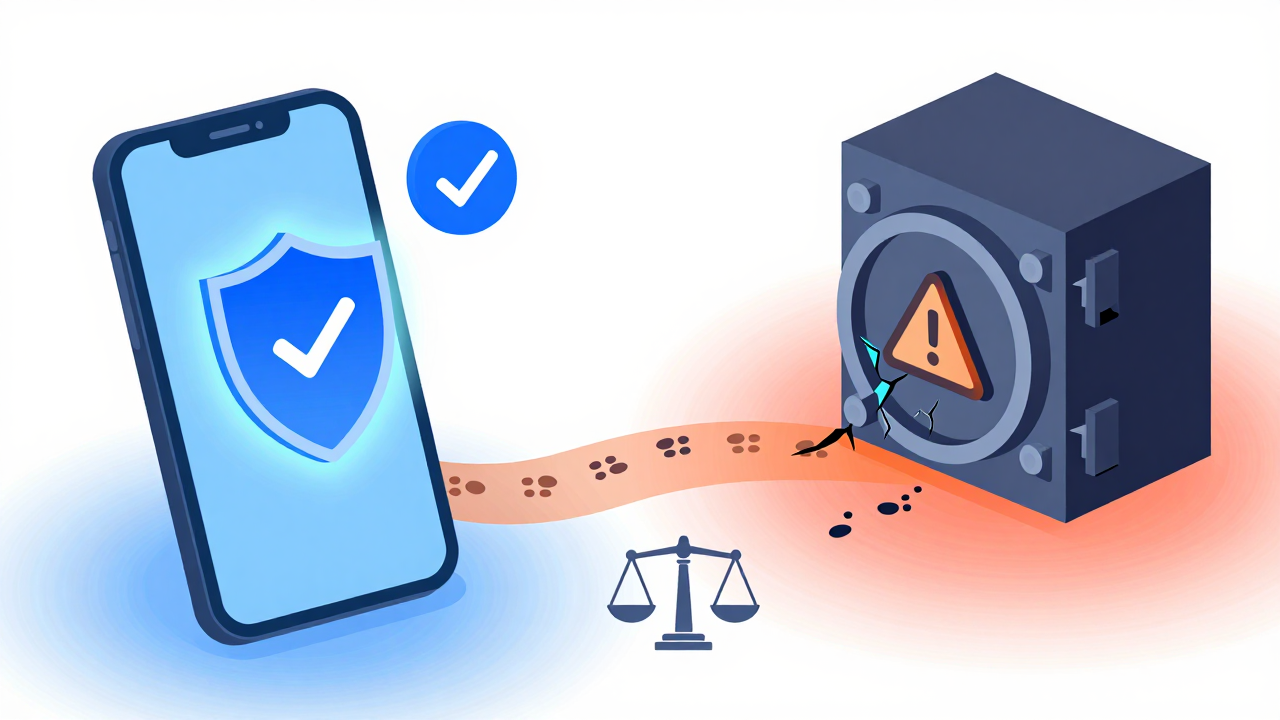
How to Choose a Verification Provider That Won't Burn You
Drawing on my own experience and what I've learned from peers in the industry, here are the key dimensions to evaluate when picking a verification service.
| Evaluation Criteria | Key Questions to Ask | What to Look For |
|---|---|---|
| Number Resources | Does it support specific countries and carriers? Does it distinguish between shared and private pools? | Prioritize platforms that offer private pools and let you view a number's usage history |
| Risk Control | Is there a number quality score? Does the platform proactively block high-risk numbers? | Providers with a solid reputation typically run a pre-screening pass before assigning numbers |
| Support Response | How fast does customer service respond when codes don't arrive? | Start with a small top-up and test the support response time and refund process before committing |
| Pricing Transparency | Are there hidden fees? Is package upgrades mandatory? | Per-code billing beats monthly packages for flexibility—avoids getting locked into a bad deal |
One platform that consistently earns solid word-of-mouth in the industry right now is Getfollow. They follow exactly the compliance-first playbook I just described—traceable number sourcing, private pool isolation, and proactive blocking of suspicious numbers. I'm not saying they're perfect, but on risk control specifically, they're a safer bet than the fly-by-night operations that seem to pop up every week.
Beyond Verification Codes: Smarter Account Management Strategies
Verification is just the first step in an account's lifecycle. What happens after—the nurturing and maintenance—matters far more. I've watched plenty of cross-border studios pinch pennies on verification, only to blow far more money on account recovery and re-registration down the line.
My advice? Test small before you commit big. Whether you're using Corn SMS or any other platform, keep your first order under $20–30. Register 3–5 test accounts and monitor the ban rate, code delivery success rate, and support response time over a week. If those metrics check out, then scale up your investment.
Also, set up a backup verification system for every account you care about. Link a backup email, enable two-factor authentication, and log in regularly to keep accounts active. That way, even if your verification provider goes under, you won't lose control entirely. Operators who've been through it will tell you: this step feels like a chore in the moment, but it's a lifesaver when things go sideways.
Here's the bottom line: verification tools are a necessary evil in cross-border business. But with the right provider and the right approach, you can keep the risk well within acceptable bounds. Hopefully this gives you a clearer picture and helps you avoid the traps—so you can spend your energy on things that actually move the needle.
Frequently Asked Questions
Is it safe to use SMS verification apps for registering overseas accounts?
It depends entirely on the provider and how you use it. Private number pools with proper risk controls are significantly safer than shared pools. That said, no verification number is 100% risk-free—platforms can still flag accounts for other reasons. Always have backup verification methods in place.
Why do verification codes sometimes not arrive?
Several factors come into play: number contamination (when a number has been used too many times), carrier-level filtering, or platform-side risk controls that silently block delivery. During peak hours, delays of 1–3 minutes are common. If codes repeatedly fail to arrive, switch to a different number or provider.
What's the difference between shared and private number pools?
Shared pools give everyone access to the same numbers at low cost, but reuse rates are high and ban risks increase. Private pools assign dedicated number segments to individual customers, which means cleaner reputation and higher registration success rates—at 5–10 times the price.
How much should I expect to pay for reliable SMS verification?
Pricing varies by country, carrier, and pool type. Shared pool codes can cost just a few cents each, while private pool codes for high-demand platforms can run several dollars or more. As a rule of thumb, if the price seems too good to be true, the number quality probably is too.
Can I recover my accounts if the verification platform shuts down?
If you've set up backup email verification and two-factor authentication, yes—you can usually regain access. Without those safeguards, recovery becomes extremely difficult. This is why I always recommend treating verification numbers as a temporary bridge, not a permanent foundation.