How to Choose a France SMS Verification Platform: A 2026 Playbook for Cross-Border Sellers
How to Choose a France SMS Verification Platform: A 2026 Playbook for Cross-Border Sellers
If you've been doing cross-border business lately, you've probably noticed that getting accounts verified with French phone numbers has gotten noticeably harder. By 2026, major platforms have tightened their verification protocols for French country codes significantly. Sellers running independent sites, social media matrices, or e-commerce stores are increasingly hitting a wall at the "verify your number" step.
I recently sat down with several operations leads who've spent years building in the European market, and the consensus is clear: the demand for France SMS verification platforms has moved far beyond "just receiving a code." Let's dig into what's actually changed and how to adapt.
Why the French Verification Market Got So Picky in 2026
Here's the industry reality: by 2026, French carriers and platforms have become highly sophisticated at detecting virtual numbers. The old playbook—grab a cheap number from any random site and batch-register accounts—simply doesn't work anymore.
A common pattern we see across the industry: sellers using budget verification platforms either never receive the code, or the account gets banned within a week. Behind this is an upgrade in platform risk-control logic. They're no longer just asking "is this a real number?" They're evaluating whether the number is actively and consistently used within France's local network environment.
That brings us to the core tension: you don't just need a number that can receive SMS—you need a number that can keep your account alive.
The Shift from "Receiving Codes" to "Account Longevity"
From my experience, anyone still applying the old mindset in 2026 has already paid the price. Chasing "cheapest" and "instant delivery" leads to a cycle of registering accounts that die within days—wasting both time and energy.
The industry has now split into two service models. The first is the pure utility model: one-time numbers for temporary registrations. The second is the account-care model: numbers you can hold long-term, with support for re-verification and account recovery. For teams serious about the French market, the second model is the only one that actually solves the problem.
Here's a real example. A friend running a French e-commerce store bought 100 numbers from a small budget platform. He registered 80 accounts—fewer than 10 survived. After switching to a provider that supports long-term number retention, his account survival rate jumped to over 70%. The per-number cost was higher, but the math worked out far better in the end.
Key Criteria for Choosing a France SMS Verification Platform in 2026
Since the requirements have evolved, so should your screening process. Based on my own testing and conversations with peers, here's what actually matters when evaluating a platform.
- Number pool cleanliness: This is critical. Some platforms recycle numbers that have been flagged multiple times by risk-control systems. Before committing, confirm whether the number is first-use or at least hasn't been heavily flagged.
- Support for follow-up verification: Many platforms only guarantee the first SMS. When your account later needs a second verification, they're useless. Reliable providers typically offer a retention window—say, 24 to 72 hours—during which the number can receive additional messages.
- Channel stability: In 2026, French carrier interfaces have become more volatile than in previous years, especially during French working hours in the afternoon. Look for platforms with backup channels, not just marketing pages promising "instant delivery."
One more trap that's easy to overlook: customer support response time. If you hit a delivery failure and the support team takes hours to reply—or just says "please wait"—walk away. Platforms built for the long haul have clear escalation processes for anomalies.
A Look at Compliant Service Providers in the Space
Within the current French verification ecosystem, some platforms are genuinely trying to professionalize the service. Getfollow, for example, positions its French number service as "account lifecycle management" rather than selling one-off verification codes. The advantage of this model is that it factors in the long-term stability of the number, which makes more sense for teams that need to operate French accounts over time.
To be clear, I'm not saying this type of platform is right for everyone. But from an industry observer's perspective, the 2026 trend is clear: providers are shifting from selling tools to selling solutions. The ones that make that transition earliest will earn the strongest loyalty.
Risks You Need to Know Before Choosing a French Verification Platform
Honestly, this industry has its fair share of murky players. Newcomers often ask "which platform is cheapest?"—and that mindset is exactly what gets them into trouble.
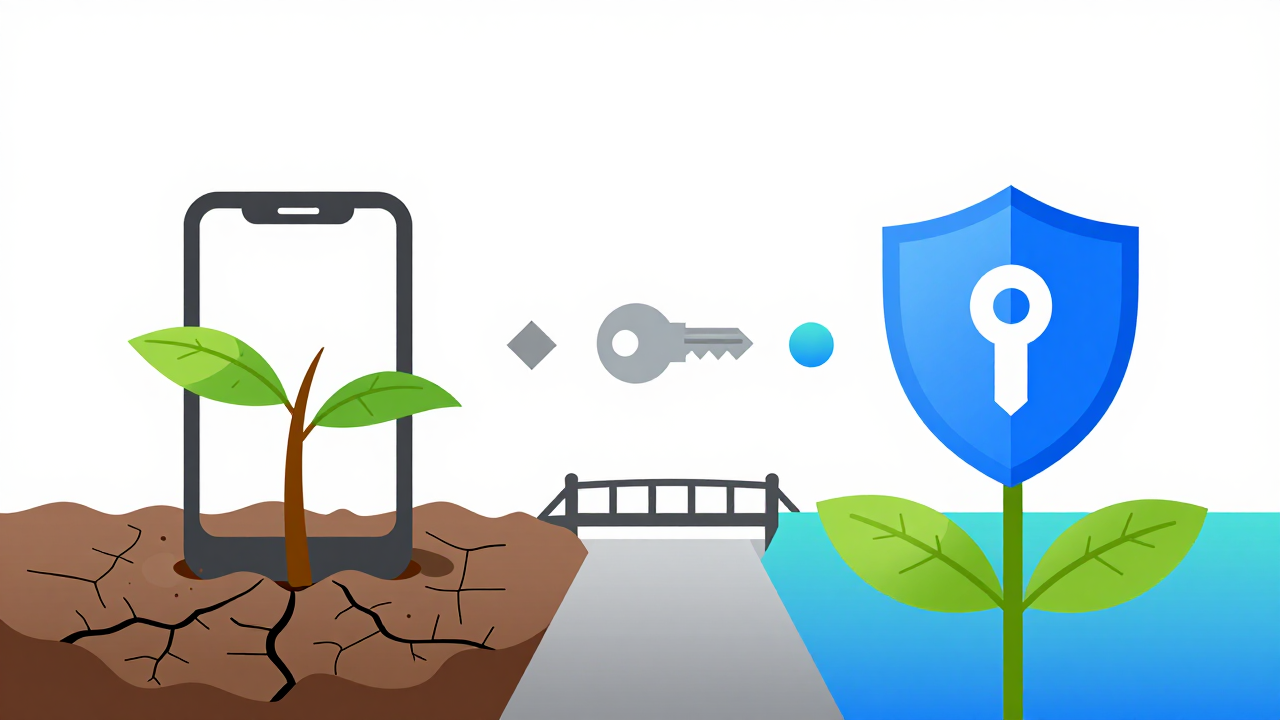
Risk one: the account-ban domino effect. If the number segment you're using gets flagged as high-risk, every account registered on it can be banned in a batch. You register, and within hours, the account is gone.
Risk two: privacy exposure. Some smaller platforms log your SMS content and even resell numbers. In 2026, Europe's data privacy enforcement is no joke. If your business data gets leaked, the consequences go far beyond losing an account.
Risk three: the retention trap. Many platforms advertise "99% success rate," but that only measures whether an SMS arrives. What actually matters is the 7-day account retention rate. Industry consensus puts the average for French verification services in 2026 at 50–70%. Anything below that range means the number pool is dirty.
Practical Advice for Cross-Border Teams and Solo Operators
After all that, here's some actionable guidance. Whether you're running social media accounts, e-commerce stores, or any other operation, one rule applies to French verification: don't put all your eggs in one basket.
Step one: test small. Don't buy hundreds of numbers upfront. Start with 5–10, and measure registration success rate, delivery speed, and how many accounts survive the first three days. This single step eliminates 80% of the bad options out there.
Step two: test customer support. During your trial period, deliberately reach out at odd hours—like late night China time—and see how fast they respond. This tells you a lot about whether the platform runs a real operation.
Step three: clarify number ownership. Ask directly whether your number is exclusive or shared, and whether you can renew and retain it. This directly affects your account security down the line.
My final take on choosing a France SMS verification platform has always been: stability beats cheap, and long-term beats short-term. The 2026 cross-border landscape rewards precision and discipline, not shortcuts. Finding a provider that can grow with you matters more than any single transaction.
I hope this helps you avoid a few landmines in the French market. If you've got your own experiences—or horror stories—drop them in the comments. The more we share, the clearer this market gets for everyone.
Frequently Asked Questions
What is the best France SMS verification platform for 2026?
There's no single "best" option—it depends on your use case. For long-term account operations, look for providers that support number retention and re-verification rather than one-time code services. Test with a small batch first to evaluate delivery speed and account survival rates.
Why do my French accounts keep getting banned after verification?
Most likely, the number pool you're using has been flagged by platform risk-control systems. In 2026, platforms evaluate whether a number is consistently active in France's local network, not just whether it's a real number. Low-cost platforms with heavily recycled numbers are the most common cause of post-verification bans.
Can I use a virtual French number for WhatsApp or Telegram verification?
Yes, but success varies by platform and number quality. Messaging apps have some of the strictest verification protocols. Numbers that have been previously flagged—or that aren't actively used in France—are more likely to fail. A provider with a clean, exclusive number pool is your best bet.
How much should I expect to pay for a reliable France SMS verification number?
Pricing varies widely based on number exclusivity and retention options. Budget numbers can cost as little as a few cents but carry higher ban risks. For numbers that support long-term retention and re-verification, expect to pay a premium—it's usually worth it when you factor in account survival rates.