Free SMS Verification Apps: What Actually Works for Cross-Border Sellers
Free SMS Verification Apps: What Actually Works for Cross-Border Sellers
Over the years running cross-border e-commerce operations, I've tested at least fifteen different SMS verification tools. Most newcomers start by searching for a "free SMS verification app," thinking they're saving a few bucks on verification codes. But here's the thing—in this industry, free often costs you the most. The pennies you save on verification codes can wipe out an account you spent months building.
The Real State of Free SMS Verification Apps
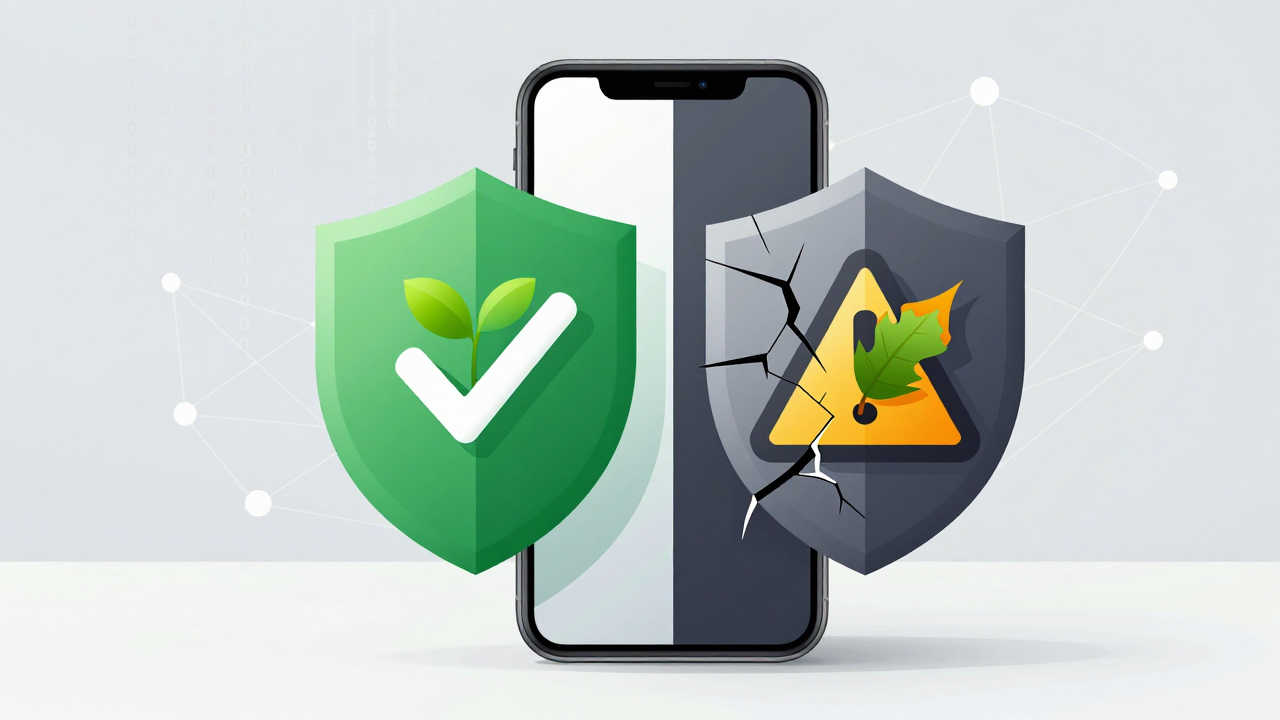
Let's cut straight to it: most completely free verification platforms are monetizing your account security. An open secret in the industry is that many free platforms recycle numbers repeatedly—the same phone number might get sold to dozens of people registering on the same site. What happens next? Risk control flags the connection, and your entire batch of accounts gets banned at once.
From my experience, established cross-border operations have largely moved away from purely free verification tools. Instead, they gravitate toward providers that offer a "free tier plus paid reliability" model. Platforms like Getfollow have built a solid reputation in this space by following exactly that playbook—basic features stay free, but the number pool quality and risk-control strategies are where they invest for the long haul.
Three Hidden Costs of Free Verification Apps
Ask anyone in cross-border trade, and they'll tell you the same three nightmares with free tools:
- Numbers flagged by risk control: Free number pools update slowly. Many numbers are already marked as high-risk by major platforms, so you register one account and it gets banned immediately.
- Delayed verification codes: During peak hours, you wait in line for a code—anywhere from a few minutes to half an hour. Meanwhile, your time-sensitive verification window closes.
- Privacy leaks: Some free tools store your SMS content and registration history. Where that data ends up? Nobody can say for sure.
Hit any one of these, and the money you saved on verification fees won't even cover a fraction of the damage. This matters even more for platforms with strict risk control like TikTok, Amazon, and WhatsApp—where a single account is worth far more than the cost of a verification code.
Why "Free" and "Reliable" Don't Mix
Here's the underlying economics. Running an SMS verification platform requires real investment: number resources, channel maintenance, and risk-control systems all cost money. Pure free means no revenue stream, so something has to give—either your data gets sold, or the platform cuts corners with low-quality number pools.
Industry consensus is clear: a legitimate verification platform needs stable overseas physical SIM card resources, a constantly refreshed number pool, and risk-control avoidance strategies that mimic real user behavior. None of that comes free. So when you see a platform promising "free forever," either it's burning cash to acquire users, or it has other plans for your data.
Getfollow and similar platforms have become go-to backups for seasoned cross-border operators because they keep the free tier reasonable while making their paid service genuinely dependable. This model isn't new, but it's a whole lot safer than relying on purely free tools.
How to Vet a Legitimate Verification Service Provider
Whether you're hunting for a free SMS verification app or planning to switch from a free tool to something more reliable, run potential providers through these checks:
- Check number pool refresh frequency: Ask customer support for the latest pool update date. If it hasn't been updated in a month, walk away.
- Check platform coverage: If a service only supports one or two obscure platforms, skip it. The broader the mainstream platform coverage, the stronger their channel resources.
- Check after-sales guarantees: Is there compensation for failed verifications or delayed codes? Providers willing to make promises usually have confidence in their service.
- Check risk-control handling: Ask what happens to flagged numbers—are they discarded or resold? Providers that proactively retire high-risk numbers are playing the long game.
Here's a clever shortcut: search the provider's name in cross-border forums or seller communities and read the recent feedback. If negative reviews are all from six months ago and recent feedback is positive, the provider is improving—worth a trial. But if people are still complaining within the last month, don't volunteer as a guinea pig.
How to Use Free Verification Codes the Right Way
Here's my practical advice: free SMS verification apps aren't useless—you just need to use them in the right contexts. Registering on unimportant forums or grabbing one-time discount coupons? Free tools work fine. But for high-stakes scenarios like store registration, ad account verification, or payment binding, paying for a reliable provider is the smarter play.
Many cross-border operators I know find the best cost control comes from combining both—use free allowances for low-frequency, low-risk tasks and paid channels for core business operations. This hybrid approach beats relying entirely on either one.
At the end of the day, tools are just tools. Account security and business stability are what actually matter. Hopefully, this breakdown of free SMS verification apps helps you sidestep some costly mistakes.
Frequently Asked Questions
Are free SMS verification apps safe to use?
Not really. Most free platforms recycle numbers and may sell your data to offset operating costs. This puts your accounts at risk of linked bans, especially on strict platforms like Amazon or TikTok. For anything beyond low-value registrations, use a paid service with a clean number pool.
Why do verification codes arrive late or never arrive?
Free platforms typically have limited channel capacity. During peak hours, you're competing with hundreds of other users for the same numbers, causing delays or missed codes entirely. Paid services prioritize their number pool and channel bandwidth for paying customers.
What's the best free SMS verification app for WhatsApp or Amazon?
Honestly, there's no truly free option that's reliably safe for high-risk platforms. Services like Getfollow offer a free tier for basic use, but their paid plans are what provide the stable, clean numbers you need for serious accounts. Treat free tools as a trial, not a long-term solution.
Can I use the same number for multiple accounts?
You shouldn't. Platforms track number reuse and will flag accounts sharing the same verification number. This is one of the fastest routes to a permanent ban. Always use a fresh number for each account, especially on platforms with strict anti-fraud systems.