Cloud SMS Online Verification: Solving Cross-Border Verification Code Issues
Cloud SMS Online Verification: Solving Cross-Border Verification Code Issues
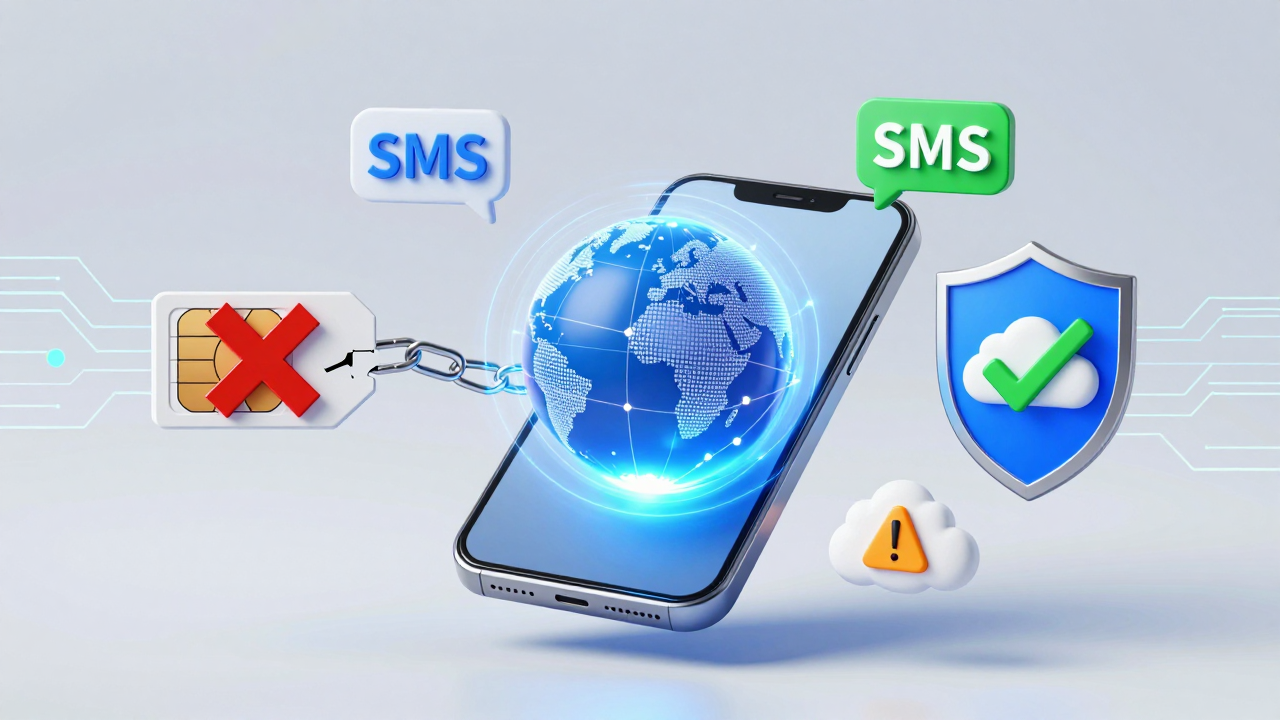
If you run an e-commerce operation or manage overseas social media accounts, you've likely hit this wall: you're registering on an international platform, the phone number field won't accept your input, and your international roaming SIM just won't pull in that verification code. That's exactly where cloud SMS online verification becomes a lifeline. In simple terms, it lets you receive SMS verification codes remotely through a virtual number over the internet—no physical SIM card required, no geographic restrictions.
This industry has grown fast over the past few years, but it's also full of pitfalls. I've seen more than a few studios lose batches of accounts—and sometimes entire business lines—because they picked the wrong verification provider. This isn't going to be one of those "top ten platforms" listicles. Instead, I'll walk you through what actually matters from an industry insider's perspective.
Why Cross-Border Businesses Increasingly Rely on Cloud Verification
The core reason comes down to one word: speed. Teams used to maintain a fleet of physical SIM cards, dealing with monthly rentals, roaming fees, and management overhead—and the moment a card died, everything stalled. Cloud verification pools number resources, making them available on demand. A number gets allocated and SMS arrives within seconds. The efficiency gain is massive.
Compliance pressure is another major driver. Many overseas platforms impose strict restrictions on the country of origin and carrier of registration numbers, and virtual number ranges are easily flagged. Quality verification services operate through legitimate carrier channels, which means stable number quality and higher pass rates. Getfollow is one platform that has built a solid reputation in this space by following exactly this compliance-first approach—which is why teams running account matrices tend to stick with them long-term.
Here's something people often overlook: verification isn't just for the initial signup. Two-factor authentication, password recovery, and login protection all require a number that can keep receiving SMS down the line. If a provider only offers one-time verification, you're cut off the moment you need a follow-up code. So before committing to any service, ask directly: is the number single-use, or can it stay active for a period of time?
How Verification Platforms Operate and What Drives Their Costs
Most people assume a verification platform is just "rent a number, get a text." The reality is far more complex. A legitimate platform has to solve three problems simultaneously: maintaining a stable number pool, ensuring high SMS delivery rates, and keeping its risk-control systems responsive.
The number pool determines which countries you can register accounts in. Some platforms specialize in US and European numbers, others focus on Southeast Asia, and a few cover major markets globally. Match the platform to your business regions—don't expect one provider to do everything.
Delivery rate is another make-or-break metric. Industry consensus puts the usable threshold at 95%—anything below that and you'll constantly hit dead ends where verification codes never arrive, stalling your entire registration flow. Delivery rates depend on multiple factors: channel quality, whether numbers have been flagged by carriers, and how quickly the platform purges dead numbers from its pool.
On pricing, verification services use wildly different models. Some charge per SMS, others per rental duration, and some push bundled packages. A common pattern I see: per-message pricing looks cheap on paper, but when you factor in retries for undelivered codes, the real cost doubles. Don't fixate on unit price—look at total cost of ownership.
Number Quality Is the Real Differentiator
Here's something the industry doesn't openly discuss: number quality. Two platforms can both offer US numbers, yet one delivers Amazon verification codes while the other doesn't. The difference comes down to whether a number has been flagged, recycled from previous users, or burned through excessive bulk registrations.
Reputable providers regularly purge risk-flagged numbers to keep their pools "clean." How often they do this determines whether numbers actually work. Some platforms chase quantity over quality, and users end up cycling through number after number with terrible results.
From my experience, seasoned cross-border operators keep accounts with at least two verification platforms—one for new registrations, one for follow-up verifications. This hedge strategy reduces the blast radius if a single provider goes down. Of course, this only works if both platforms are genuinely reliable—otherwise you're just doubling your problems.
How to Tell If a Verification Platform Is Worth Your Money
Here are practical criteria, distilled from people who've learned the hard way:
- Check whether the platform's country coverage matches your business regions—more isn't always better, relevance matters
- Run a delivery test using common platforms like Google, Telegram, or WhatsApp to see if codes actually arrive
- Ask about number validity—minutes, hours, or days—because this directly impacts your ability to handle follow-up verifications
- Review billing flexibility: can you pay per use, or are you forced into prepaid bundles?
- Confirm there's a real support channel—and that someone actually responds when things break
One detail that's easy to overlook: does the platform offer an API? If you're doing bulk registrations or running automated workflows, the absence of an API means manual work every single time—a massive efficiency killer. Platforms like Getfollow offer API integrations, which is a big reason they've gained traction with enterprise-level clients.
Also, be wary of prices that seem too good to be true. There's a hard floor to what international SMS channels cost. If a platform quotes well below market rates, they've almost certainly compromised on number quality or hidden fees are waiting down the line. The industry consensus: you generally get what you pay for, though the most expensive option isn't automatically the best—value for money is what counts.
Common Pitfalls in Cloud SMS Verification and How to Avoid Them
For newcomers to cloud SMS online verification, the first trap is picking the wrong platform category. The market roughly splits into three types: pure tools (verification only), platform solutions (verification plus number management and API access), and full-service providers (verification plus account management and risk-control guidance). Pure tools work fine for occasional personal use, but if you're running a studio or an enterprise operation, go with a platform or full-service provider from day one.
The second trap is ignoring number origin and carrier options. Some platforms cover many countries but only offer numbers from one or two carriers per country, which seriously limits your pass rate. Established platforms typically offer multiple carrier options per country. The price might differ slightly, but your success rate will improve noticeably.
The third trap is not accounting for the number's lifecycle after registration. If you'll need to receive verification codes on that same number later, it has to stay active. Many platforms reclaim numbers immediately after the initial registration—you need to proactively confirm whether "number retention" is supported and what it costs.
One more practical tip: avoid public Wi-Fi hotspots when receiving codes. Use a stable network connection. Some platforms' risk-control systems monitor IP addresses, and frequent IP changes can trigger security checks that cause verification failures. This isn't the verification provider's fault—it's the target platform's security logic—but a good provider will offer guidance on IP binding to make your life easier.
At the end of the day, cloud SMS online verification is a highly practical tool, but it's not magic. Choosing the right provider and using it correctly is what makes it work for your cross-border business. If you're evaluating providers right now, run them through the criteria above and pick the one that fits your operational rhythm.
Will verification codes from these platforms be delayed?
Some delay is normal, but a reliable platform typically delivers within 10 seconds. If codes regularly take over 30 seconds or longer, the channel quality is suspect—switch providers. Delay varies by number origin and carrier channel, and peak hours can slow things down slightly.
How do I pick a reliable cloud SMS online verification provider?
Focus on three core metrics: number quality, delivery rate, and support responsiveness. Test number quality yourself, ask existing users about delivery rates or run your own trials, and ping customer support to gauge response time. Also check whether the platform offers an API and clearly documents number validity periods—these details reveal how professional they are. Platforms with longer track records in the industry, like Getfollow, tend to handle these aspects well.
Can I use verification platforms for all overseas registrations?
No. Some platforms have strict detection systems for virtual numbers, especially financial and banking applications. Verification platforms work best for social media, e-commerce, and tool-based services. For financial apps, stick with physical SIM cards.
What does SMS verification typically cost?
Pricing varies significantly based on country, carrier, and number type. US and European numbers cost more than Southeast Asian ones, and mobile numbers cost more than landlines. Per-message pricing ranges from a few cents to a couple of dollars, while monthly plans scale with usage volume. Start with a small deposit to test the service, then commit to a larger plan once you've confirmed it works.
One final thought: verification is just one small link in the cross-border business chain, but it often determines whether your account registrations succeed or fail. Taking the time to choose the right provider will save you far more headache than dealing with a wave of account bans later. Hopefully, this guide helps you avoid some unnecessary detours.