Best SMS Verification Apps for Cross-Border Business: What Actually Works
Best SMS Verification Apps for Cross-Border Business: What Actually Works
If you run an e-commerce store or manage overseas social media accounts, you know the pain: you're mid-registration for WhatsApp, Telegram, or TikTok, and suddenly you're stuck at the phone number step. Physical SIM cards are expensive, each one only receives one verification code, and then it's useless. That's why more people are turning to SMS verification apps that can send and receive texts — they solve the multi-account registration problem in one go.
But here's the catch: the market is flooded with options, and not all are created equal. Some platforms hand out numbers that have already been flagged by security systems — you'll never receive the code. Others take your money upfront and disappear. Based on industry observations and feedback from cross-border operators, let's break down how to actually pick a reliable SMS verification service and which providers have earned a solid reputation.
The Core Difference: Virtual Numbers vs. Real Numbers
Let's start with the basics. An SMS verification app provides access to either virtual phone numbers or real IoT SIM numbers. You grab a number through an API or app interface and use it to receive verification codes. Virtual numbers — like +44 UK or +1 US prefixes — are cheap, but many overseas platforms have gotten aggressive at detecting them. You'll often see an instant "invalid number" error.
Real numbers, sourced through bulk carrier purchases, cost more but deliver significantly better success rates. There's a consensus in the industry: receiving a code is just the baseline — number quality and stability are what actually matter. Many cross-border operators report that using budget platforms for WhatsApp registration fails eight out of ten times, or the account gets banned the next day. That's not bad luck — it's polluted number segments.
Three Non-Negotiables When Choosing a Verification Platform
From my experience working with overseas business teams, a dependable SMS verification app checks these three boxes:
- Broad number coverage: At minimum, it should support major regions — US, Europe, Southeast Asia, and the Middle East — with the ability to filter by country. Some platforms only offer US numbers, which leaves you stranded when registering for European services.
- Automatic refunds on failure: Failed code delivery is common. Whether a platform confidently promises "no code, no charge" says everything about its number quality. Platforms like Getfollow have built their reputation on this exact principle — points get returned automatically, no questions asked.
- Stable API integration: If you're a solo operator, manual app use might suffice. But for teams doing bulk registrations, API integration is non-negotiable. Response speed and concurrent request handling need real-world testing.
These criteria sound simple, but once you start testing platforms, you'll find many fail at the first hurdle. Some advertise "global coverage" only to show numbers from India and Brazil — useless for registering on US or European platforms.
Price Matters, But It's Not Everything
Pricing models vary wildly: per-code charges, monthly subscriptions, or tiered rates by number type. Generally, virtual numbers cost pennies per code, while real numbers run a few dollars each. The gap is significant. Many cross-border operators initially chase the cheap virtual numbers, only to waste more time troubleshooting failed deliveries than they saved in money.
The healthiest model in the industry is "prepaid balance with per-use deduction." No monthly fees, pay only for what you consume. Platforms like Getfollow follow this structure — you top up, get charged per number type, and failed attempts automatically credit back to your balance. It's a friendly setup for solo operators who don't want large sums locked up.
Don't Ignore Risk Control: The Tool Is Only Half the Battle
Time for a reality check. An SMS verification app is a tool, not a magic key. Overseas platforms have gotten smarter with their risk controls — swapping numbers alone won't keep your accounts alive.
Take WhatsApp, for example. New account registration checks device fingerprints, IP addresses, and behavioral patterns — not just the phone number. If you register a dozen accounts from the same IP, even with legitimate numbers, you're looking at a mass ban. That's why established teams pair verification services with anti-detect browsers and residential proxies. The SMS service is just one link in the chain.
Here's another angle: the compliance of the verification platform itself affects your account security. Some providers cut costs by sourcing numbers from gray-market channels — illegally resold IoT cards, bulk-opened virtual operator numbers, you name it. When carriers clean house, these numbers go dark, and your accounts go down with them. When evaluating platforms, ask customer support about number sourcing. They might not give you a straight answer, but hesitation itself is a red flag.
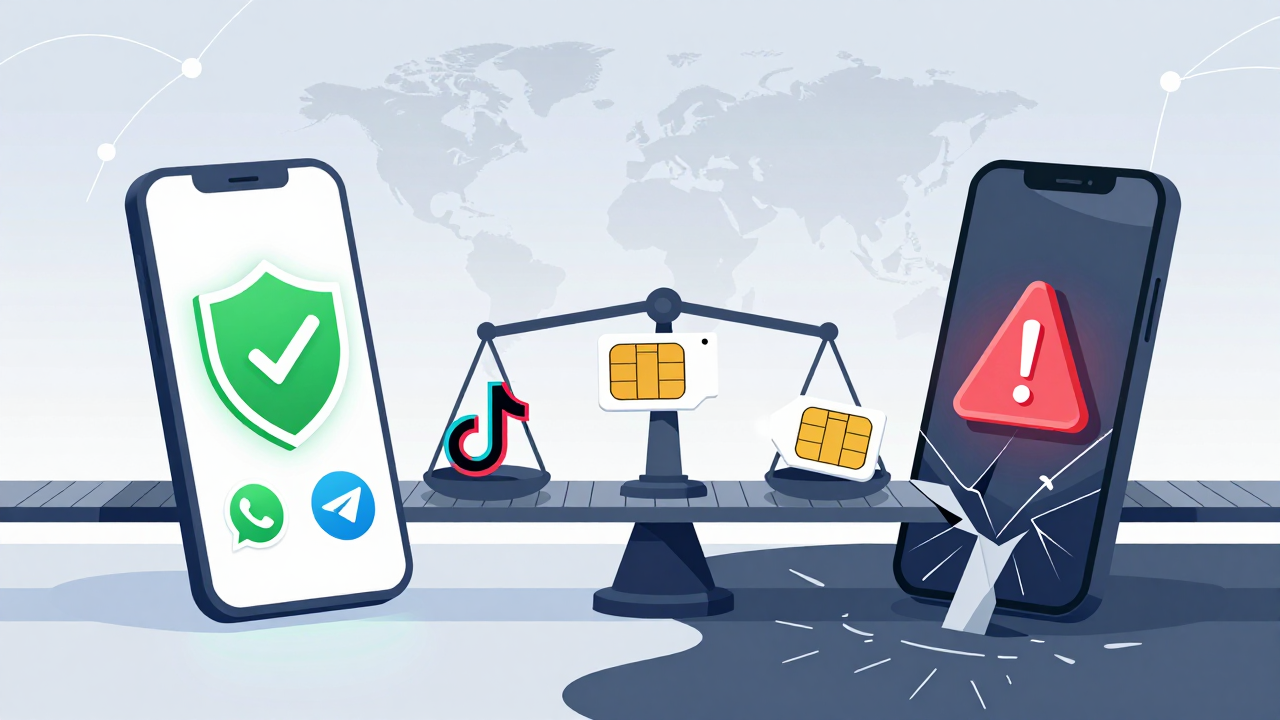
Real-World Case: How One Studio Lost Money and Recovered
A friend running independent site traffic spent $30 on a budget platform last year to register multiple TikTok accounts. Within a week, every number stopped working, and the accounts got banned in waves. He switched providers, specifically selecting real number segments. The per-code price nearly doubled, but his account survival rate jumped from under 20% to over 70%.
This isn't an isolated story. Many cross-border professionals report that while verification apps can send and receive texts, there's a world of difference between "can work" and "works reliably." What actually impacts your operations is number stability and how fast the platform responds when things go wrong. Nothing beats the frustration of a failed code at 3 AM with no customer support online.
Industry Snapshot: The Shakeout Is Here
Let's be honest — the entry barrier for this industry is low, but doing it well is hard. Since 2023, a wave of small platforms has shut down due to poor number quality and cash flow problems. The survivors either have stable carrier relationships or serious technical chops in risk-control evasion.
Right now, platforms like Getfollow have earned steady口碑 by following a compliance-first playbook: traceable number sourcing, automatic refunds on failure, and well-documented APIs. That doesn't mean they're flawless — hot number segments occasionally run out during peak times — but at least they won't vanish overnight.
My advice for cross-border businesses and solo operators: don't put all your eggs in one basket. Keep two platforms on hand — one primary, one backup. If your main provider's numbers get flagged, switch immediately. Also, pace your registrations. Don't create more than five new accounts per day. A slower ramp-up with a longer nurturing period is far safer than mass registration in one sitting.
Stepping back to the bigger picture: verification tools are neutral. What matters is how you use them. Choose a reputable provider, pair it with compliant operational practices, and it becomes the most unassuming yet reliable part of your overseas expansion. If you can't be bothered to research, then just buy physical SIM cards — pricier, but at least you won't lose sleep.
Frequently Asked Questions
Can I use free SMS verification apps for WhatsApp and Telegram?
Free services exist, but they almost always rely on heavily recycled virtual numbers that platforms have already flagged. Success rates are abysmal, and any account you manage to create often gets banned within hours. For business use, paid services with real number segments are the only practical option.
What's the difference between virtual and real numbers for SMS verification?
Virtual numbers are VoIP-based and cost next to nothing, but detection systems catch them easily. Real numbers come from actual carrier SIMs and pass verification checks far more reliably. The price difference is noticeable — pennies versus a few dollars per code — but the success rate gap justifies the cost for serious operations.
How do I know if a verification platform is trustworthy?
Look for three signals: transparent refund policies when codes fail, clear documentation about number sourcing, and responsive customer support. Platforms that hesitate to explain where their numbers come from are usually hiding something. Also, check whether they offer API access — legitimate providers typically do.
Why do my accounts get banned even with a working verification number?
Verification is only one factor in platform risk assessments. Your IP address, device fingerprint, and registration behavior all contribute. Using the same IP for multiple accounts, registering too quickly, or operating from flagged data centers will trigger bans regardless of number quality. Pair your verification service with residential proxies and anti-detect tools.
Key Takeaways
| Factor | What to Look For | Common Pitfall |
|---|---|---|
| Number Coverage | US, UK, EU, Southeast Asia, Middle East | Platforms claiming "global" but only offering India/Brazil numbers |
| Pricing Model | Prepaid balance, pay-per-use, automatic refunds | Upfront packages that lock in your money |
| API Stability | Fast response, supports concurrent requests | Frequent downtime during peak hours |
| Risk Control | Traceable number sourcing, compliance-first approach | Gray-market numbers that get cleaned by carriers |
At the end of the day, choosing the right SMS verification app comes down to understanding what you're paying for. Real number segments, transparent refund policies, and stable infrastructure are worth the premium. Pair that with smart registration practices — pacing your account creation, using proxies, and diversifying your tools — and you've got a system that works quietly in the background while you focus on growing your business.