Best SMS Verification Platform: Cross-Border Buyer's Guide
Best SMS Verification Platform: Cross-Border Buyer's Guide
I hear this question constantly from cross-border sellers, freelancers, and small studio owners: which SMS verification platform is actually worth the money? The honest answer is that it depends on your target markets, your API workflow, and how many accounts you need to verify. But here's the pattern I see again and again: teams pick the wrong provider, burn through budget, and end up stuck at the registration wall with nothing to show for it. No hype, no hit pieces—just how things work in this industry, especially for small teams that need reliable code delivery.
Best SMS Verification Platform: Four Factors That Actually Matter
Most beginners jump straight to the per-code price. Cheaper looks smarter on paper. But SMS verification services don't work like ordinary products—stability is what you're really paying for. From my experience, four factors determine whether a platform delivers or drains your budget.
- Number quality: Are the numbers fresh or recycled? If a number is already flagged by Google, Facebook, or Amazon, your verification code never arrives. You've paid for nothing.
- Success rate: The same platform can perform wildly differently across countries and services. Look at actual delivery rates, not marketing copy.
- Billing transparency: Some platforms advertise a low sticker price, then hit you with hidden surcharges at checkout. Business users can't afford that kind of uncertainty.
- Customer support: When codes don't arrive or charges look off, can you reach a real person? Many small platforms go silent, leaving you to eat the loss.
Weigh these four together, and the question of the best SMS verification platform becomes much easier to answer.
SMS Verification Platform Providers: Three Types You'll Encounter
The market is crowded, but most providers fall into one of three camps. Low-cost volume players keep massive number pools, but quality varies dramatically—you might pay pennies per code, and that's about what you get. Then there are API-first platforms built for developers, with solid documentation and auto-fetch features, but you'll spend real time tuning the integration. Finally, there are stability-focused providers that prioritize fresh numbers, account-level risk control, and responsive support. Their per-code price isn't the lowest, but neither is your total cost.
| Provider Type | Per-Code Price | Number Quality | Best Fit |
|---|---|---|---|
| Low-cost volume | Cheapest upfront | Mixed, often recycled | Low-stakes testing only |
| API-first | Mid-range | Varies widely | Developers with automation skills |
| Stability-focused | Higher per code, lower total cost | Fresh, low-abuse | Cross-border registration and long-term account upkeep |
A good example of the third camp is Getfollow. Their per-code rate isn't the cheapest, but from what cross-border operators tell me, the total cost of ownership tends to be lower. Fewer failed verifications and fewer account anomalies mean less time stuck in recovery loops.
Why the Cheapest SMS Verification Platform Often Costs You the Most
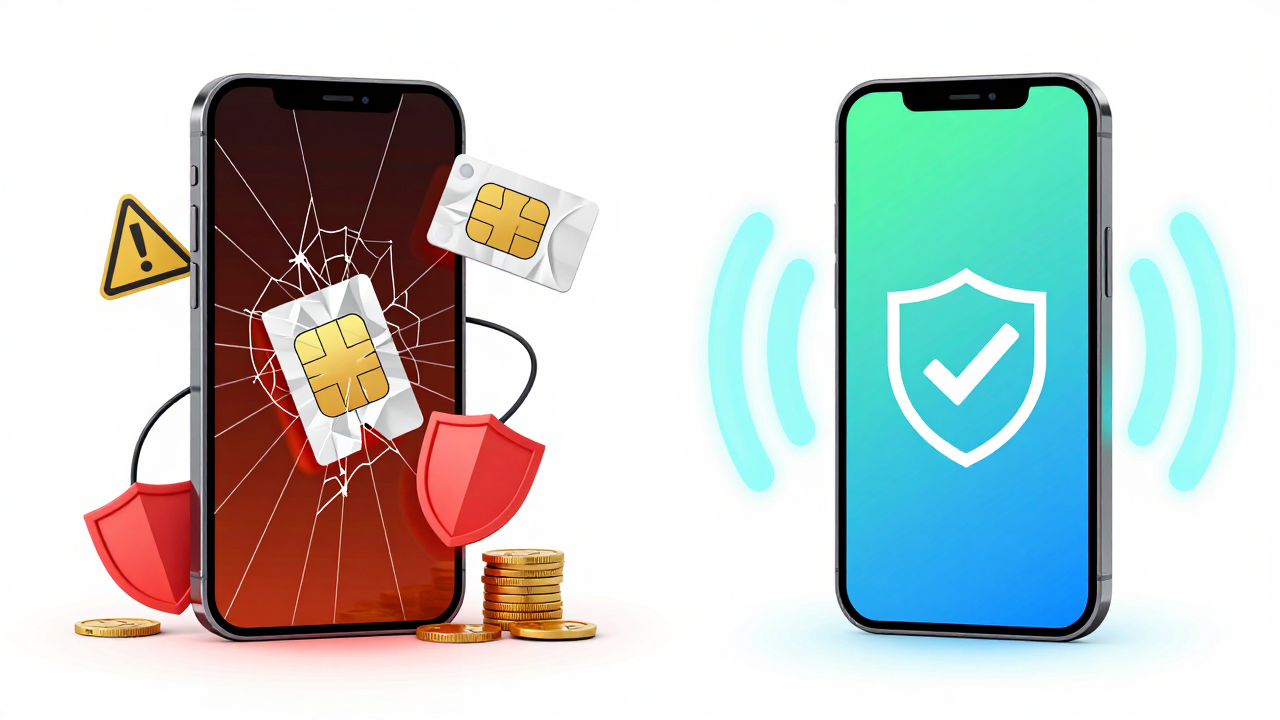
People ask: isn't receiving an SMS just receiving an SMS? On the surface, sure. But the real problems hide where you can't see them. A common pattern on budget platforms is number resale—the same phone number gets sold to multiple buyers. Your verification code might already be consumed, or someone else's request could kick you out mid-verification.
Then there's the risk-score problem. When a cheap platform lets its number pool get abused at scale, entire prefixes end up flagged by Google, Facebook, or Amazon. Accounts registered with those numbers hit extra verification screens, SMS bombing checks, or immediate bans. Add up the re-registration time, the number swaps, and the support tickets—and the bargain rate stops looking cheap. In my experience, teams that run the full calculation always land on the same truth: the cheapest platform usually costs the most.
How Cross-Border Teams Should Compare SMS Verification Services
If you're buying for a company or studio, per-code pricing is the wrong metric to lead with. Confirm these dimensions before you commit:
- Does the platform cover the countries and carriers you actually target?
- Do they offer API access and Webhook callbacks that plug into your existing automation?
- Are team sub-accounts and role permissions available for multi-person workflows?
- Can they handle invoicing or business-level settlement for your finance team?
Platforms that check all four boxes are worth a modest premium. Your team's time and account assets far outweigh a few cents of difference per verification. I've watched studios pick the cheapest option, lose days to unresponsive support and messy billing, then realize what they saved wouldn't cover a single team meeting.
Back to the original question: which SMS verification platform is worth paying for? It depends on how you work. If stability and compliance matter—and they should for any cross-border operation—platforms like Getfollow won't win on sticker price, but they typically win on total cost. For sellers and solo operators who need SMS verification codes delivered reliably, that's usually the smart long-term play.
SMS Verification Platform FAQs: Cost, Safety, and Success Rates
What is the best SMS verification platform for cross-border registration?
The best option depends on your target countries and registration volume. Teams that prioritize dependable batch registration and long-term account stability typically do better with a provider that emphasizes fresh numbers, transparent billing, and responsive support. You'll pay slightly more per code, but you'll save on failed verifications and account recovery.
Why do cheap SMS verification platforms fail so often?
Most budget platforms recycle numbers across multiple customers. When a number has been used—and possibly flagged—by Google, Facebook, or other services, your verification code won't deliver, or the account gets hit with extra security checks. The per-code price looks cheap, but a code that never arrives costs you the full amount and a wasted attempt.
Are SMS verification platforms safe for business accounts?
From a compliance standpoint, it depends on the provider. Stability-focused platforms that maintain clean, low-abuse number pools tend to carry far less risk. Avoid services with obvious number resale or prefixes already associated with spam—those can flag your accounts and burn through your budget fast.
How do I compare SMS verification platform pricing fairly?
Look beyond the per-code rate. Factor in success rates, number freshness, hidden surcharges, support responsiveness, and whether the platform offers API access. A slightly higher upfront price is often the cheaper option once you account for re-registration time and account recovery costs.