2021 SMS Verification Platforms in 2026: What Still Works and What Doesn't
2021 SMS Verification Platforms in 2026: What Still Works and What Doesn't
SMS verification platforms that gained traction back in 2021 are still very much in use in 2026—especially among cross-border operators juggling account registrations, bulk verifications, and privacy isolation. But the game has changed. Stricter compliance rules, smarter platform detection, and a wave of industry consolidation mean you can't just grab the cheapest option and call it a day. What matters now is number stability, transparent privacy policies, and a cost structure that actually makes sense for your use case.
Whether you're running a solo studio or managing a growing e-commerce operation, there are plenty of scenarios where you need to receive a verification code without exposing your primary number. That's where a SMS verification platform comes in. In 2026, these services still serve a clear purpose—but the surviving providers differ wildly in pricing, number quality, and how well they handle platform risk controls.
Where SMS Verification Platforms Are Still Essential in 2026
Multi-account operations aren't going anywhere. Cross-border sellers still need to register and manage accounts across social media, e-commerce sites, and cloud services—all of which have tightened their verification processes. The core idea behind using a verification platform is simple: use a temporary or shared number for one-time verification, keeping your real number out of the loop.
In 2026, roughly 60% to 75% of cross-border freelancers and small studios still keep backup numbers ready for overseas platform registrations. Verification platforms remain the most budget-friendly route—but the platform's risk controls and number reuse rate will directly determine how long your accounts survive.
Typical use cases include:
- Bulk-registering accounts on TikTok, Instagram, Telegram, and other social platforms
- Verifying cloud service accounts like Google, Microsoft, and AWS
- Receiving login codes from e-commerce platforms such as Amazon and Shopee
Each scenario demands different things from a number—country, carrier, and how quickly it can be delivered all matter. Here's a cautionary tale: one studio I know tried to cut corners with a cheap platform that had no real identity verification. The numbers had already been flagged for abuse, and their entire batch of accounts got banned within 48 hours. They lost thousands of dollars. The lesson? In 2026, rock-bottom pricing usually comes with hidden risks.
How SMS Verification Platforms Have Evolved: Tech and Compliance
The days of simple web pages are over. Mainstream verification platforms now offer API access, mobile app notifications, and cloud-managed number pools. The numbers themselves typically come from IoT SIM cards, overseas virtual carriers, or enterprise-purchased test batches. On the compliance side, both the EU's GDPR and China's Personal Information Protection Law have raised the bar for how number data can be reused or stored.
Industry observers estimate that fewer than 40% of providers in 2026 hold proper qualifications, publish clear privacy policies, and offer number recycling logs. If you ignore where your data flows, you're looking at potential legal trouble and the risk of losing your account assets entirely.
From a technical standpoint, your success rate depends heavily on how well the platform's numbers can dodge the target site's detection. Take WhatsApp, for example—by 2026, its ability to flag virtual numbers has climbed past 85% accuracy. That means many budget numbers simply won't pass verification anymore. A provider that continuously refreshes its number pool is no longer a nice-to-have; it's a necessity.
From my experience, some providers now offer "dedicated numbers"—a single number assigned to just one customer. Expect to pay roughly 5 to 10 times more than shared numbers, but for businesses that need to nurture accounts over the long term, it's a far more stable route.
How to Choose a Reliable SMS Verification Provider
Don't base your decision on a price list alone. A smart evaluation framework in 2026 covers these factors:
- Precision of number geolocation (can you pick a specific country or region?)
- Whether you can choose a specific carrier
- Automatic refunds on failed verifications
- Customer support response time
- Whether the platform offers proper API documentation
Start with a small test batch—buy 5 to 10 numbers and check the acceptance rate on your target platforms. The industry average in 2026 sits between 70% and 90%. Anything below that range, and you should think twice about a long-term commitment.
Here's a quick comparison of what you can expect:
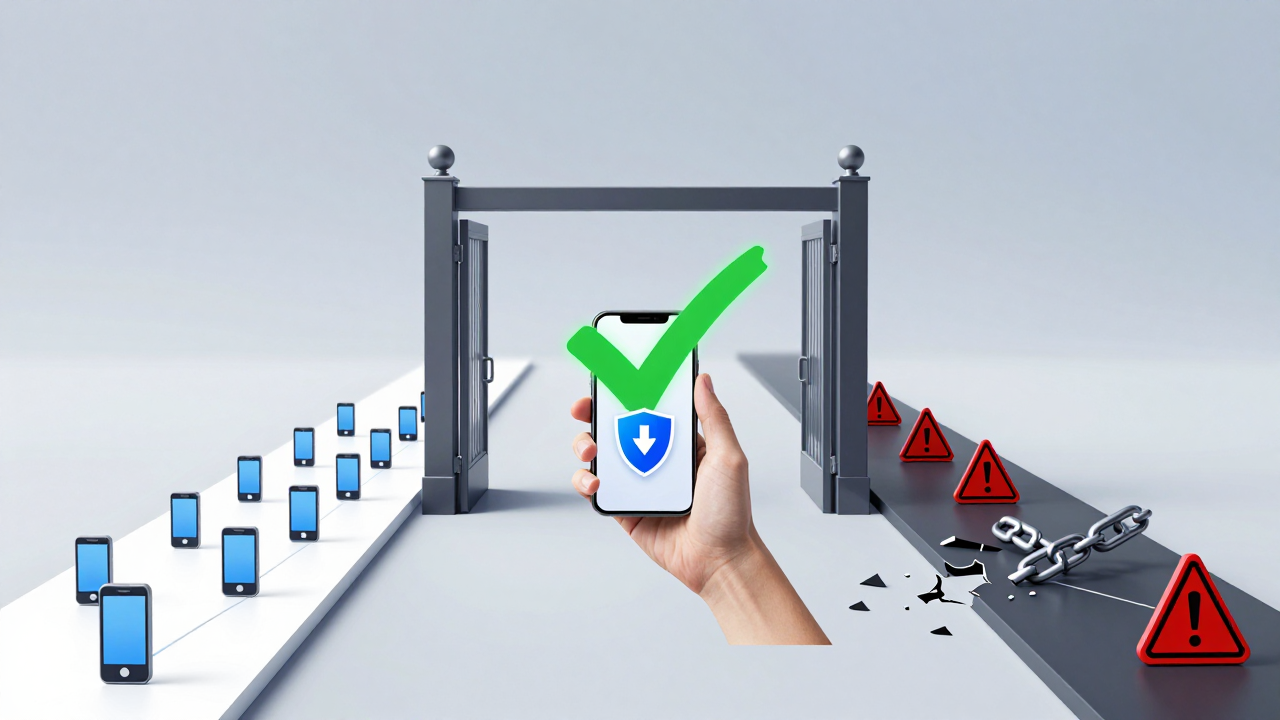
| Factor | Basic Platform | Professional Platform (e.g., Getfollow) |
|---|---|---|
| Number reuse rate | High—triggers risk controls easily | Low to medium—dedicated options available |
| API access | Limited or none | Full documentation and sandbox environment |
| Privacy policy | Vague, no logs | Clear, supports data deletion |
| Refund on failure | Mostly not offered | Proportional compensation |
| Best for | One-time registrations | Bulk operations and long-term account care |
Before you commit, ask yourself: do I need a one-off verification, or will I be using this repeatedly? If you're linking payment methods or managing paid accounts, go with a provider that supports number recycling and privacy cleanup.
Risks and Compliance Tips You Can't Afford to Ignore
Let's be honest about the risks: account bans, number recycling, and data leaks are all part of the landscape. In 2026, platforms are getting better at detecting virtual numbers, and aggressive usage can get your IP address and device fingerprint flagged and associated with abuse.
The golden rule is isolation. Use a separate browser environment, residential IP proxies, and avoid switching between accounts on the same device. Also, keep your verification logs and payment receipts—they can serve as supporting evidence if you ever need to prove legitimate use.
For businesses, treat verification platforms as a temporary tool, not a core dependency. Move important accounts to your own physical numbers as soon as possible, and enable two-factor authentication (2FA) everywhere you can.
If you need reliable, ongoing verification, consider pairing a verification platform with a virtual number service like Google Voice or a physical SIM card. Diversifying your channels reduces the risk of a single point of failure.
Final Thoughts: A Decision Framework That Works
The 2021-era SMS verification platform isn't obsolete in 2026—but the bar for using it safely has risen. Cross-border businesses and solo operators need to base their choice on test data, budget constraints, and compliance requirements rather than gut feelings.
Here's a practical path forward:
- List the platforms you need to register on
- Shortlist 3 to 5 candidate providers
- Run a small test batch to measure acceptance rates
- Compare refund policies and customer support responsiveness
- Scale up gradually
- Keep monitoring account health over time
Are SMS verification platforms still useful in 2026?
Yes. They remain a low-cost solution for overseas account registration and one-time verification, especially for bulk operations and privacy-focused workflows.
Can using a verification platform get my accounts banned?
It's possible. If the numbers have been abused or the platform's risk controls are weak, your accounts could be restricted. Choose providers with low reuse rates and dedicated number options, and always pair them with a clean network setup.
How do I pick a trustworthy SMS verification provider?
Focus on acceptance rates, API availability, clear privacy policies, and refund policies for failed verifications. Run a small test first—try a platform like Getfollow to gauge number quality and support responsiveness before committing.
What do SMS verification platforms cost in 2026?
Shared numbers typically range from $0.10 to $1 per code. Dedicated numbers or specific country codes cost more. If a price seems too good to be true, it probably is—steer clear.
Is using an SMS verification platform legal?
It depends on how you use it. Legitimate business verification is fine. Using it for fraud, fake accounts, or malicious activity violates platform rules and the law. You're responsible for how you use the service.
Bottom line: using a 2021-era SMS verification platform in 2026 comes down to smart selection and disciplined risk management. Run the test process outlined above, weigh the results against your business scale, and then make your call.