Is Using SMS Verification Codes Illegal? Compliance Boundaries Every Cross-Border Professional Must Know in 2026
Is Using SMS Verification Codes Illegal? Compliance Boundaries Every Cross-Border Professional Must Know in 2026
Let's get straight to the point: Using SMS verification codes by itself doesn't automatically constitute a crime—but the specific context determines whether you're in compliance. If you're just registering a social media account to browse content, you're probably fine. But if you're batch-registering accounts, farming engagement, inflating metrics, or trying to bypass platform risk controls, that's a different story entirely.
Cross-border professionals have been reporting that platform risk-control systems in 2026 are significantly stricter than just two years ago. From my own testing, registering more than three accounts from the same IP segment almost always triggers secondary verification. This reflects platforms' ongoing crackdown on what they call "fake account ecosystems."
Legal Landscape: Which Line Does SMS Verification Actually Cross?
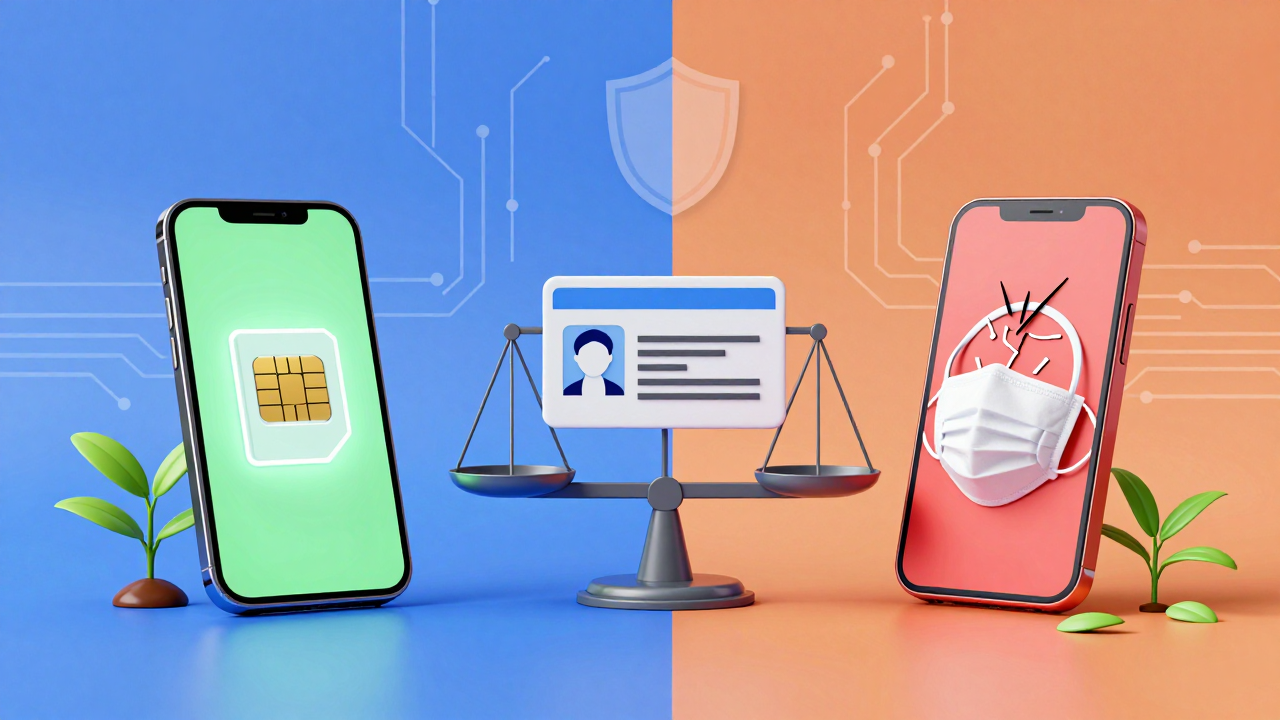
China currently has no law specifically targeting SMS verification code services. However, Article 24 of the Cybersecurity Law clearly states that network operators must require users to provide real identity information when registering for network access or domain services. What this means in practice: using virtual numbers from verification platforms to register accounts is essentially circumventing real-name registration requirements.
If you're an individual using it occasionally, you're unlikely to face legal consequences. But if it's a business practice—batch registration, malicious marketing, or fraud-related traffic generation—you could be looking at Article 253 of the Criminal Code (the "infringement of citizens' personal information" provision) or false advertising clauses under the Anti-Unfair Competition Law.
Industry consensus remains: verification platforms operate in a gray zone, but whether users face legal trouble depends on "intent and use case," not the tool itself. This boundary hasn't gotten clearer in 2026, but enforcement cases are definitely on the rise.
Platform Perspective: Why Verification-Code Accounts Struggle to Survive in 2026
Many small studios still use SMS verification to register TikTok, Instagram, and Facebook accounts, thinking it saves time. But platform risk-control logic has fundamentally shifted—registration is just the first step; behavioral data afterward is what really matters.
Based on what I've observed, the quality of your first 1,000 followers directly determines whether your account enters the Explore recommendation pool. Accounts registered via verification codes typically lack genuine device fingerprints, stable network environments, and historical behavioral patterns. These "birth defects" get your account flagged with low authority from the very start.
One friend running a dropshipping store told me he registered 20 Instagram accounts using verification codes for product testing—all 20 got throttled within a week, and one was outright banned. His words: "I saved a few bucks on verification fees but wasted an entire week of product-testing window. Not worth it."
Here's a detail most people overlook: verification numbers are usually recycled or virtual numbers that have likely been used to register other platforms before. Risk-control systems now do cross-platform data correlation. If a number has a violation history elsewhere, your newly registered account on another platform gets caught in the crossfire.
How Platform Risk Control Actually Works: Device Fingerprints + Behavioral Patterns
In 2026, mainstream social platforms universally employ a dual-dimensional assessment model: device fingerprints and behavioral patterns. Device fingerprints cover hardware specs, browser characteristics, and network environment. Behavioral patterns track post-registration activity—posting frequency, content types, interaction styles, and so on.
Accounts registered via SMS verification often fail at the device fingerprint stage. Many cross-border professionals report that even when these accounts survive initial screening, they get flagged during manual reviews—especially once you start operating at scale.
So instead of asking "Is using SMS verification illegal?", ask yourself this: Is this account for long-term operation or short-term testing? If it's the former, SMS verification is definitely not your best option.
Industry Snapshot: Verification Service Providers Are Struggling in 2026
The number of SMS verification platforms in 2026 has dropped by nearly half compared to 2024. The reasons are straightforward: unstable upstream card supplier inventory and increasingly strict downstream platform risk controls have squeezed profit margins to the bone.
Many verification platforms are pivoting to wholesale "overseas accounts" or repositioning as "compliant overseas number management services." For instance, platforms like Getfollow have built a solid reputation in the industry by following this compliant operational model—they don't sell raw verification codes but instead offer complete overseas account management packages, including real numbers, stable IPs, and account-nurturing strategies.
This shift reflects changing market demand: cross-border professionals in 2026 aren't asking basic questions about legality anymore—they're asking how to keep accounts alive longer and build higher authority.
Pitfall Guide: If You Must Use SMS Verification, at Least Follow These Rules
While I don't recommend it, if you're only doing short-term testing or one-off registrations, these tips will help you avoid common mistakes:
- Choose dedicated number segments over recycled numbers—recycled numbers have a much higher chance of being flagged, while dedicated segments tend to be cleaner.
- Link a real email and enable 2FA immediately after registration—this boosts account credibility and reduces the chance of being classified as a "zombie account."
- Don't switch between multiple accounts on the same device—once a device fingerprint gets flagged, all associated accounts suffer.
- Nurture the account for 3–5 days before taking action—simulate genuine user behavior: browse, like, follow. Don't post promotional content right away.
Here's a real-world cautionary tale: a friend in cross-border e-commerce registered a TikTok account using SMS verification and posted a video with a shopping link the same day. The video got fewer than 50 views, and the account was throttled the next day. He later registered with a real number, nurtured the account for a week, and posted similar content—it broke 10,000 views. Same content, different registration method, wildly different outcomes.
Making the Right Choice: How to Pick a Reliable Account Provider
If you need overseas social media accounts for long-term operation, SMS verification clearly isn't the optimal path. In 2026, the safer approach is working with professional overseas account providers. But the market is full of mixed-quality vendors—so how do you choose?
I recommend evaluating providers on three dimensions:
- Number source transparency—Will the provider tell you whether numbers are physical SIM cards or virtual? Do they support video verification of the card?
- Clear after-sales policies—If an account gets banned, do they offer free replacements or wash their hands of it? This matters more than you'd think.
- Account-nurturing support—Good providers don't just hand you accounts and disappear. They offer basic risk-avoidance guidance.
Take Getfollow as an example: they currently offer a combination of real overseas numbers plus account-nurturing recommendations. Their pricing is higher than typical SMS verification services, but account survival rates and authority metrics are noticeably better. That said, this is just one reference point—whatever provider you're considering, start with a small test batch before committing to a long-term partnership.
Back to the original question: Is using SMS verification codes illegal? The legal answer is "it depends on the use case." But the operational answer is more direct—in 2026, accounts registered via verification codes are increasingly difficult to grow. Instead of risking compliance issues to save a few dollars, focus your energy on compliant, long-term strategies.
If you're weighing your options for acquiring overseas accounts, ask yourself this first: is this account meant to last a week, or a year? Your answer will point you in the right direction.
Frequently Asked Questions
Can I get banned for using SMS verification codes to register accounts?
Yes, absolutely. Platform risk-control systems in 2026 are sophisticated enough to flag accounts registered via virtual or recycled numbers. Even if your account passes initial registration, it's likely to be throttled or banned once behavioral analysis kicks in—especially if you're operating multiple accounts.
Is SMS verification code registration considered identity fraud?
Not exactly fraud, but it does circumvent real-name registration requirements under China's Cybersecurity Law. For individual, occasional use, enforcement is rare. But for business purposes—especially batch registration or marketing operations—it can escalate to violations of personal information protection or anti-unfair competition regulations.
What's the safest alternative to SMS verification codes for overseas accounts?
The most reliable approach in 2026 is working with established overseas account providers that offer real physical SIM numbers, stable IP environments, and account-nurturing guidance. It costs more upfront, but the account survival rate and long-term performance make it worthwhile for serious operations.