SMS Verification for Cross-Border Business: How to Solve the "Code Never Arrives" Problem
SMS Verification for Cross-Border Business: How to Solve the "Code Never Arrives" Problem
If you run an e-commerce operation or manage overseas social media accounts, you've almost certainly hit this wall: you're registering a new account, and the phone number step just won't go through. When you're scaling up and need multiple accounts, your personal phone number simply doesn't cut it. That's why SMS verification services have become such a hot topic in the cross-border community. But here's the thing—this industry has some serious depth to it, and there are plenty of traps. Let's break down what you actually need to know.
Why SMS Verification Services Are Essential for Cross-Border Operations
For freelancers and small studios running TikTok or Facebook account matrices, or registering Amazon seller accounts, the core bottleneck is always the same: you run out of phone numbers. Overseas platforms have tightened their risk controls significantly. Use one number to register multiple accounts, and you're looking at throttled reach at best, permanent bans at worst. Buying physical SIM cards is expensive and a logistical headache, which is why SMS verification platforms have become the go-to middle ground.
Services like Dianping Guanjia SMS verification essentially give you access to a pool of real phone numbers that can receive verification codes. The value proposition is simple: speed (codes arrive in seconds), reliability (higher number survival rates), and cost-effectiveness (far cheaper than maintaining physical SIMs).
But there's an industry-wide truth we need to get out of the way: SMS verification is not a magic bullet. For platforms with aggressive risk controls—think WhatsApp or PayPal—generic verification numbers get flagged quickly. The best providers aren't competing on volume; they're competing on number "purity" and their ability to maintain healthy numbers over time.
What Actually Sets SMS Verification Platforms Apart?
From my experience working with cross-border teams, SMS verification platforms fall into three broad categories:
- Pure Tools: They hand you a number, you use it once, done. Fine for one-off registrations, but success rates are hit or miss.
- Basic Service Providers: They offer numbers plus minimal after-sales support, like refunds for failed deliveries. The catch? Number pool quality varies wildly.
- Compliance-Focused Operators: These platforms emphasize legitimate number sourcing, implement their own risk-control strategies, and even provide advice on account warming. In my experience, platforms like Getfollow have built a solid reputation by following this compliance-first playbook.
A common pattern we see across the industry: the most frustrating outcome isn't failing to receive a code. It's getting a number that's already flagged by the platform's risk controls, which then restricts every subsequent action on that account. That's a costly mistake.
Hands-On Experience With SMS Verification and the Risks You Should Know
Let's talk about the user experience first. If you search for SMS verification services, you'll find most charge per use, anywhere from a few cents to a couple of dollars. But cheap doesn't mean cost-effective. Some platforms cut corners by recycling second-hand numbers—ones that have already been registered across dozens of platforms and carry a mountain of negative risk history.
How do you tell if a platform is legitimate? There's an unofficial industry test: look at how they handle failure. A platform willing to offer a full refund if you don't receive your code is at least confident in its number pool. Platforms that only advertise rock-bottom prices but get vague about after-sales support? You can safely skip those.
One more thing I need to flag: SMS verification services operate in a gray area. Using them to register accounts isn't illegal, but if you're using them for malicious registrations or bot traffic, you're crossing a line. Reputable platforms—including the ones I mentioned earlier—explicitly prohibit these practices in their terms of service. As someone working in this space, you need to keep that boundary in mind.
Hard Criteria for Choosing a Verification Provider
Based on feedback from experienced cross-border operators, here are the key filters I recommend using:
- Number Lifespan: Are numbers disposable, or can you reuse them? For accounts that require ongoing login, reusable numbers are significantly more valuable.
- Platform Coverage: Does the service cover all the platforms your business relies on? Some niche platforms aren't supported by larger providers.
- API Stability: If your studio needs API integration, response speed and concurrent processing capacity become critical.
- Support Response Time: Can you reach someone at 2 AM when something breaks? This directly impacts your business continuity.
Take Getfollow as an example—they've invested heavily in API stability and responsive support. Many studios running batch operations choose them not because they're the cheapest, but because they reduce operational headaches. That's just one example though; the right choice depends on your specific use case.
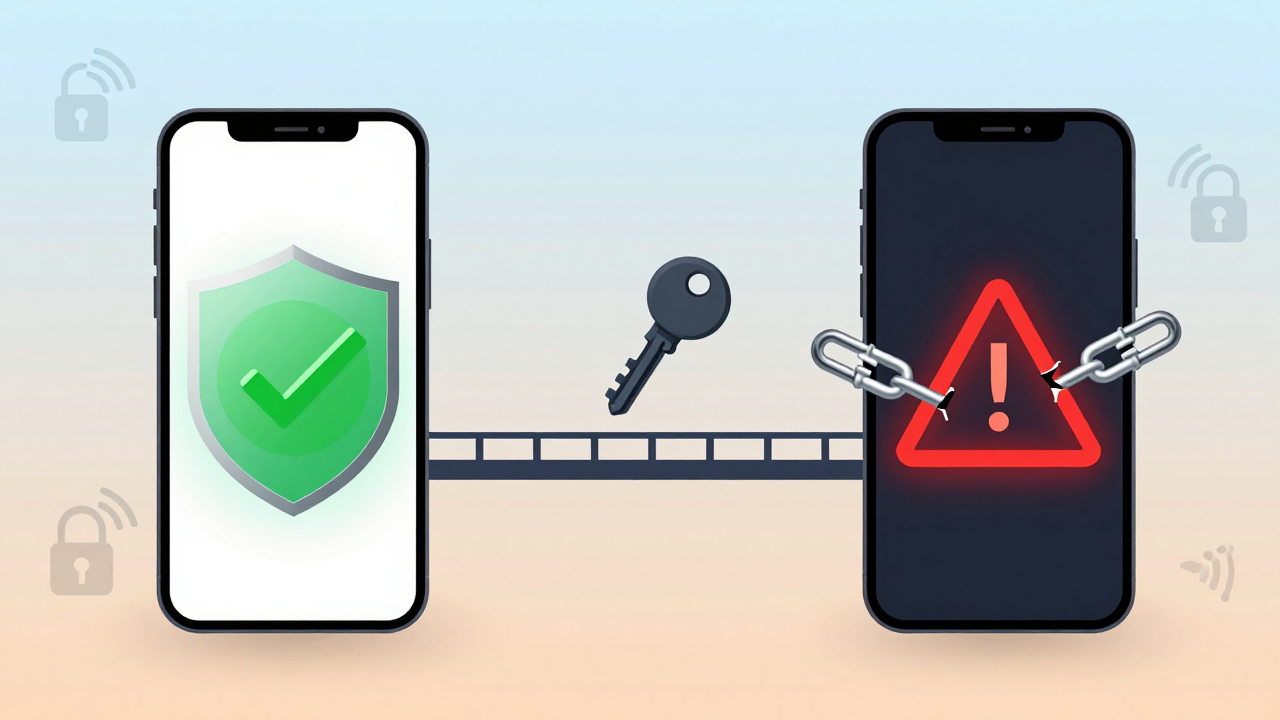
Industry Snapshot: Price Wars and the Compliance Shakeout
Let's be honest—the SMS verification market is chaotic right now. On one hand, price wars have driven rates down to pennies per code. On the other, as platforms upgrade their risk controls, many small-scale operators are struggling to stay afloat. The industry is going through a consolidation phase.
Here's a trend worth paying attention to: platforms are now implementing "guilt by association" bans. If a particular number range gets flagged as high-risk, every account that used a number from that range can be affected. What this means for you is simple: if your verification provider has a dirty number pool, your business risk multiplies exponentially.
That's why savvy cross-border teams have shifted from treating SMS verification as a "temporary tool" to viewing it as part of their overall risk-control strategy. They systematically test number quality across different platforms, track success rates, and even build their own blacklists. This has become a specialized discipline in its own right.
Coming back to the original topic: SMS verification is ultimately just a tool. Used well, it's an efficiency multiplier. Used poorly, it's a catalyst for account bans. The difference comes down to how you choose your provider and how well you align with platform risk-control rules.
Here's my bottom-line advice: if you're a solo operator with modest volume, pick a platform with solid after-sales support and don't obsess over price. If you're running enterprise-level operations, invest more budget in platforms like Getfollow that clearly prioritize number purity and compliance. In the long run, that's actually the most cost-effective approach. Because at the end of the day, account security is your biggest expense.
Frequently Asked Questions
Is SMS verification legal for registering overseas accounts?
Using SMS verification services to register accounts is generally legal, provided you're not engaging in fraudulent activity or violating platform terms of service. However, the practice exists in a regulatory gray area, and you should always review both the service provider's terms and the target platform's policies.
Why do verification codes sometimes fail to arrive?
There are several reasons: the number may have been previously flagged by the platform, the platform may have tightened its risk controls on certain number ranges, or the provider's number pool may contain recycled numbers with poor reputation. High-quality providers mitigate this by maintaining clean, compliant number sources.
How much should I expect to pay for SMS verification?
Pricing varies widely, from a few cents to several dollars per code. Extremely cheap options often come with hidden costs—lower success rates, flagged numbers, and poor support. For business-critical registrations, paying slightly more for a reputable provider is usually the smarter investment.
Can I reuse a verification number for multiple accounts?
It depends on the platform and the number's history. Some providers offer reusable numbers, which are valuable for accounts that need ongoing login access. However, reusing numbers across multiple accounts on the same platform can trigger risk controls, so proceed with caution.
What should I do if my account gets flagged after using a verification service?
First, stop using that number immediately. Contact the platform's support team to explain your situation—sometimes they'll allow you to verify your identity through alternative means. Going forward, work with a provider that offers better number quality and follow platform-specific best practices for new account setup.