Best SMS Verification Apps: A Cross-Border Veteran's Guide to Avoiding Pitfalls
Best SMS Verification Apps: A Cross-Border Veteran's Guide to Avoiding Pitfalls
Over the years running cross-border e-commerce operations, I've tested more than a dozen SMS verification platforms. Honestly? The waters run deep here. Most newcomers jump straight in asking "which SMS verification app is best?"—but anyone who's been burned knows the real questions lie beneath: What's the success rate? How long do numbers stay alive? Will it pass Google verification? Will anti-fraud systems flag it? Pick the wrong platform and you're not just missing a verification code—you risk having your entire account linked and banned, and that's a loss no refund can cover.
The Bottom Line First: What Actually Makes a Platform Reliable?
If I had to sum it up in one sentence, the industry consensus is this: a top-tier SMS verification platform isn't defined by "receiving codes"—it's defined by number quality and risk control strategy. From my experience talking with cross-border operators, budget platforms look appealing on the surface, but they typically hand you secondhand, thirdhand, or even flagged numbers. These get tripped up instantly when registering on Google, Facebook, or WhatsApp—either the code never arrives, or you get hit with "this number has already been used."
Here's a trend I've observed: after 2025, the serious platforms are all pivoting toward "clean number pools." Clean means the number has never been used for any platform registration, with a clear carrier origin. Sourcing these numbers costs more, but success rates consistently land between 80% and 90%. Meanwhile, the old-school players still pushing cheap bulk numbers are seeing retention rates of just 50% to 70%—often lower.
So when you ask "which SMS verification app is best," what you're really asking is: whose number pool is cleanest, whose API is most stable, and whose support team actually helps when something goes sideways. Those three factors matter far more than a slick interface or a bargain price tag.
Industry Reality Check: You Get What You Pay For—But Paying More Isn't Always the Answer
Today's SMS verification market splits into three main categories. First, there are free or ultra-cheap web-based platforms that survive on ad revenue. Their number pools are notoriously poor—fine for signing up to throwaway forum accounts, but utterly useless when you're dealing with mainstream cross-border platforms. The failure rates are so bad you'll question your life choices.
Second, there are packaged "black card" or virtual number bundles selling for pennies apiece. These resources often have murky origins—some are stripped from IoT cards or international roaming SIMs. Sure, you might receive a code in the short term, but your account's "health score" is compromised from day one. A common pattern we see: accounts registered with these numbers work fine for three days, then start demanding repeated two-factor verification within a week, and eventually get banned with zero recourse for appeals.
Third, there are legitimate SMS verification API providers. These offer developer interfaces, per-message billing, regularly refreshed number pools, and clearly documented risk control policies. Platforms like Getfollow have built a solid reputation in this space by following exactly this playbook—numbers rotate in batches, each one serves only a handful of registration requests, then gets retired. This approach minimizes account association risks at the source. Not to say it's flawless, but at least the direction is right.
A Real-World Horror Story
Last year, a friend running a dropshipping store decided to save a few bucks and loaded $15 onto a budget platform. When he tried registering his Shopify store, he burned through seven numbers in a row—either codes never arrived, or he got hit with "this number has been restricted." Eventually, he swallowed the cost and switched to a per-message API provider. First try, done. When he ran the numbers later, he realized the $15 wasn't the real loss. Those flagged numbers and his email were now linked to his IP address, meaning any future platform registration would trigger secondary reviews.That hidden cost is the real trap in SMS verification.
My advice is blunt: stop choosing platforms based on "which app is cheapest" and start evaluating which provider guarantees number purity. Spend $20 or so on a small test batch—register a few low-stakes accounts to see how it goes—before committing to a long-term partnership.
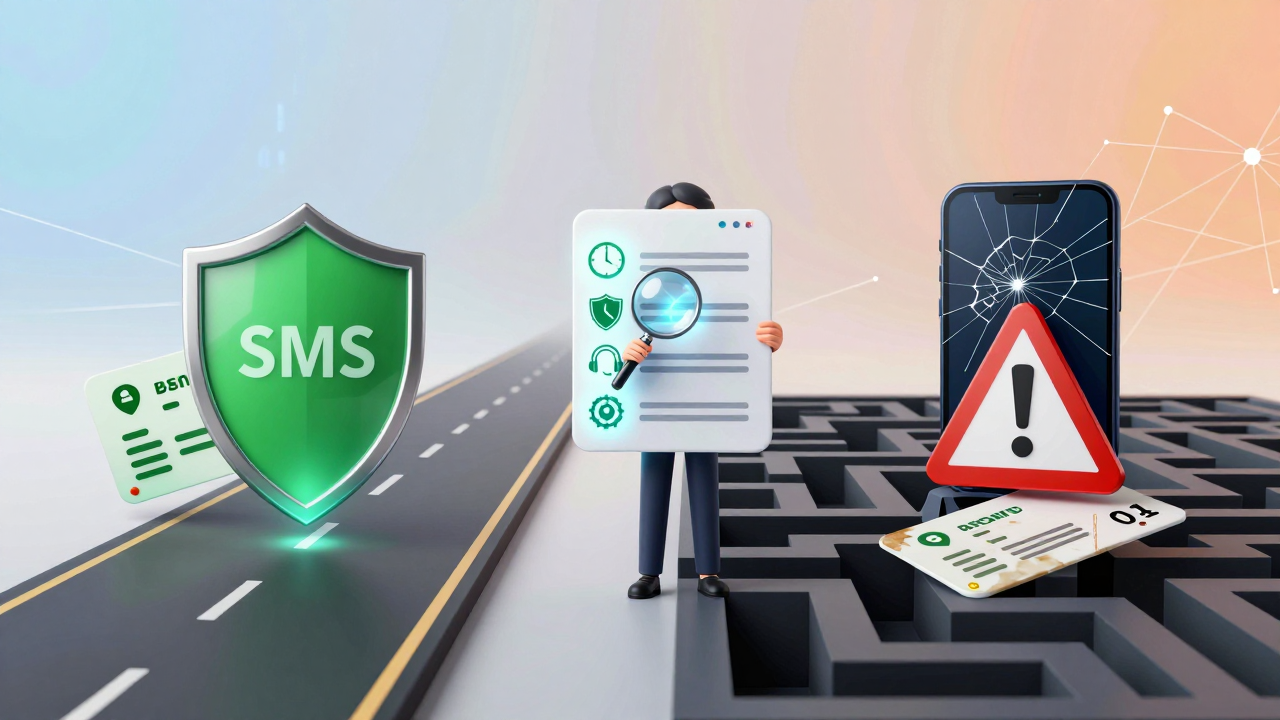
Four Hard Criteria for Vetting a Reliable Provider
Drawing from my own testing and industry conversations, here are four concrete screening dimensions you can apply right now.
- Number Lifespan: A solid platform will clearly state how many SMS messages each number can receive and its validity window. If they dodge the question, you're probably looking at hastily assembled resources.
- Mainstream Platform Risk Control Compatibility: Verification codes from Google, Meta, TikTok, and similar platforms carry implicit requirements around number location and carrier type. Reputable providers document the applicable scenarios for each number in their pool.
- Clear Support Channels: What happens when a code doesn't arrive—refund or resend? How fast do they respond? Test their support team's response time before committing. Many platforms are all smiles during sales and vanish after payment.
- API Stability and Documentation Quality: If you're integrating via API, scrutinize whether their documentation is clear and whether they offer a sandbox testing environment. This directly determines your development overhead during integration.
One detail that's easy to overlook: check whether their number pool supports on-demand customization. Can they source numbers for a specific country or carrier you need? Industry observers note that platforms offering this flexibility tend to have stronger technical foundations and are more willing to optimize resources for long-term clients.
Reality Check: SMS Verification Isn't a Silver Bullet
I have to pour some cold water here. SMS verification apps solve exactly one problem: receiving a code during registration. They offer zero guarantees about your account's long-term survival. Most platforms run dynamic risk controls—registration is just the first hurdle. Your login environment, device fingerprint, and behavioral patterns all factor into account security. So verification is just a tool; your operational strategy is what actually keeps you safe.
Here's my advice for every cross-border operator: test small first, then scale up. Don't load up on big prepaid balances, and never tie all your accounts to a single verification platform. Spreading your risk is the first rule of cross-border operations. If you're evaluating providers right now, put those four criteria on a checklist, compare them side by side, and factor in your specific business needs. After all, what works for someone else might not work for you.
Frequently Asked Questions
Can I use free SMS verification apps for Google or Facebook accounts?
Technically possible, but highly discouraged. Free platforms typically recycle numbers that have already been flagged by anti-fraud systems. Your registration may go through, but the account is far more likely to face verification loops or permanent bans shortly after. For any account that matters, a paid provider with clean numbers is worth every cent.
How much should I expect to pay for a reliable SMS verification service?
Pricing varies by region and platform, but legitimate per-message API services typically charge between $0.05 and $0.50 per code, depending on the country and carrier. If a deal looks dramatically cheaper than that, you're probably getting flagged or recycled numbers that will create more problems than they solve.
Will using an SMS verification app get my accounts banned?
The verification app itself isn't the direct cause of bans—the number quality and your usage patterns are. Using clean, dedicated numbers for legitimate registration purposes carries minimal risk. However, if you use recycled or flagged numbers across multiple accounts, you're inviting association risks that can cascade into mass bans.
What's the difference between SMS verification apps and virtual number services?
SMS verification apps are designed for one-time code reception during registration—numbers are typically short-lived and disposable. Virtual number services provide longer-term numbers that can receive calls and texts over extended periods, often used for ongoing account verification or communication needs. For registration purposes, verification apps are usually more cost-effective.