SMS Verification Security & Compliance in Cross-Border
SMS Verification Security & Compliance in Cross-Border
Cross-border SMS verification security and compliance analysis reveals a two-sided story: these tools lower account registration and verification costs, yet the security risks and legal boundaries are equally striking. For cross-border businesses and independent studios, the real question in 2026 isn't whether you can use SMS verification services—it's how to do it without walking into a compliance minefield. This article breaks down four angles: technical mechanics, risk types, global rules, and provider evaluation.
How SMS Verification Works: Technical Mechanics and Business Logic
SMS verification code receiving typically means using virtual numbers, aggregated verification platforms, or dedicated APIs to receive SMS verification codes for platform registration, login verification, or payment confirmation. For cross-border operations, the core motivation is bypassing regional restrictions, managing accounts at scale, and cutting the cross-border roaming costs of physical SIM cards.
SMS verification isn't a single technology—it's a combination of virtual numbers, number pool rotation, API automation, and lifecycle management tools. At its core, it downgrades the phone number from an "identity anchor" to a "disposable verification token."
In cross-border scenarios, this mechanism is often paired with platforms like WhatsApp Business, Telegram, Amazon Seller Central, Shopee, and Lazada. Businesses use it to test registration thresholds in different markets, run social media account matrices, and manage ad accounts.
Main Technical Formats
- Disposable number pools: a new number rotates in for each verification. Cheap, but high recycling rates make them easy for risk-control systems to flag.
- Dedicated virtual numbers: held long-term, ideal for stable accounts. Number origin and carrier are under your control.
- API-integrated verification: automated batch processing for mid-size to large teams. More powerful, but higher technical complexity and audit exposure.
Real-World Cross-Border Use Cases for SMS Verification
Cross-border e-commerce, overseas social media management, independent site payment testing, and regional market research are the areas where SMS verification services see the heaviest use. Independent studios often use them for multi-account isolation, preventing platforms from linking multiple accounts to the same device.
In 2026, cross-border e-commerce sellers are driving noticeable growth in demand for overseas number verification, especially in Southeast Asia and Latin America, where roughly 40–55% of new account registration flows require local number segments. The industry consensus is that the core value of SMS verification services lies in lowering cold-start costs.
A textbook cautionary tale: a cross-border team used a free SMS verification platform to register Facebook ad accounts. The batch-created accounts were flagged as high-risk within 48 hours, freezing their ad spend. Shared free number pools meant the same verification messages were reused across multiple users, and platform risk models quickly identified and blocked the linked devices.
Another scenario is legitimate compliance use: a business needs to test an overseas payment gateway's SMS verification flow but can't configure physical SIM cards in every market. In this case, using a paid virtual number from a compliant provider is standard practice—but you must avoid using the verification results for fraudulent registration.
SMS Verification Security Risks: Account Takeover, Data Leaks, and Fraud
SMS verification security risks are consistently underestimated. Number reuse, code interception, and provider data retention can all lead to account takeover or corporate data exposure.
Industry data from 2026 suggests that roughly 30–45% of account security incidents involving SMS verification services trace back to free number pool reuse and verification code replay. Once a business depends on an uncontrolled number source, it effectively hands account control to a third party's number lifecycle management system.
Key risks to watch:
- Code replay: the same number is distributed across multiple users, allowing attackers to retrieve historical verification texts through number backtracking.
- Provider data retention: some verification platforms store verification codes in plaintext, creating a database that can be queried or sold.
- Number recycling: virtual numbers are released after expiration, but platforms may not clear binding relationships, letting the new holder reset passwords on old accounts.
- Device fingerprint correlation: providers may not isolate device fingerprints, causing a business's multiple accounts to be linked by platform risk-control systems.
From my experience, the root cause of SMS verification security issues isn't the tool itself—it's the ownership of number resources, reuse frequency, and the operational ethics of the provider. If a business can't verify number uniqueness and lifecycle, it's building account assets on sand.
SMS Verification Security and Global Compliance Frameworks
Using SMS verification services in cross-border operations means complying with target market data protection laws, telecom regulations, and platform terms of service. Tolerance varies significantly across jurisdictions.
In 2026, the EU's GDPR shows no sign of relaxing requirements around verification code processing. Any personal data handling requires a lawful basis. If your SMS verification platform involves EU user data, your business still bears "joint controller" responsibility. The US has no unified ban on SMS verification at the federal level, but individual states have strict criminal statutes for telecom fraud and unauthorized computer access.
| Jurisdiction | Core Rules | Risk Level | Key Takeaway |
|---|---|---|---|
| EU | GDPR, ePrivacy | High | Data minimization; lawful basis required |
| US | CFAA, state anti-fraud laws | Medium-High | Cross-state account fraud can trigger federal jurisdiction |
| Southeast Asia | National telecom and cybersecurity laws | Medium | Local number registration is tightening |
| Mainland China | Anti-Telecom and Online Fraud Law | High | Buying, selling, or renting verification codes may cross criminal lines |
Cross-border businesses must pay particular attention to platform terms of service. Even where legal gray areas exist, platforms like Amazon, Google, and Meta all treat SMS verification code receiving as a violation of real identity obligations. This can trigger account bans, fund freezes, and brand-associated penalties.
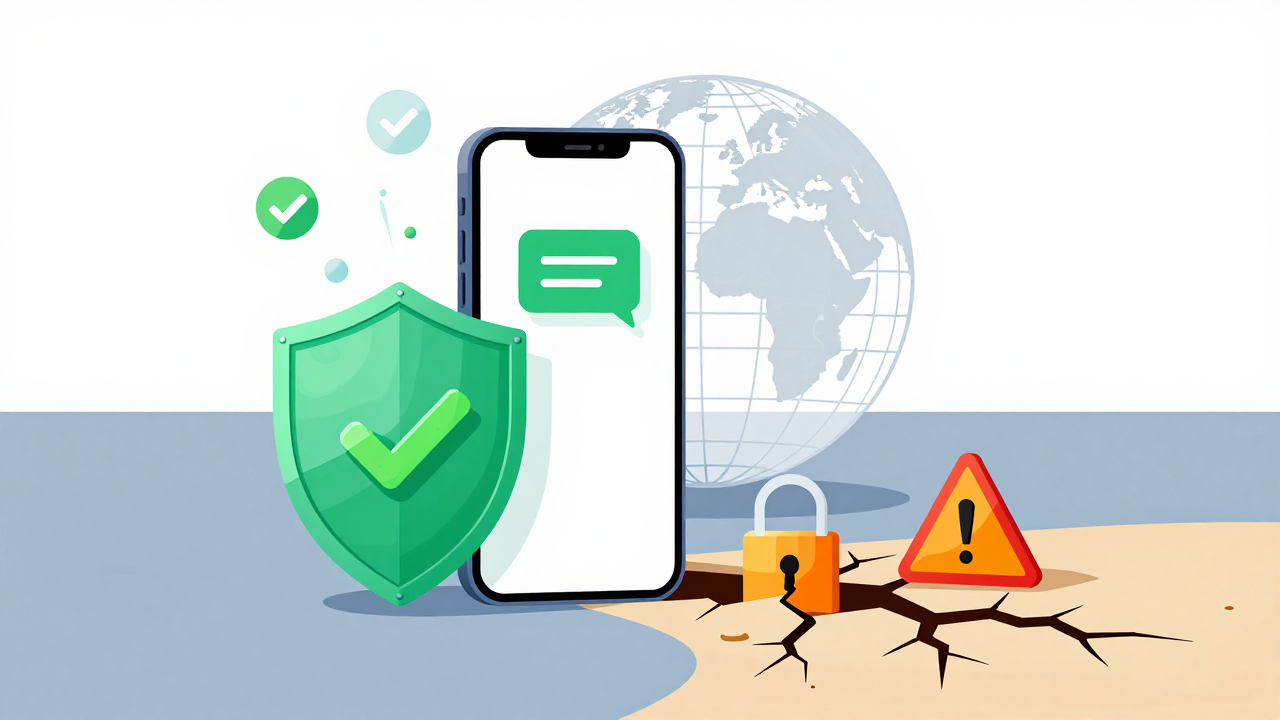
Compliance reality check: if your business involves payments, financial services, services for minors, or government procurement, hidden SMS verification is almost never acceptable. For general market testing and internal R&D validation, there's some room under the principle of data minimization—but keep purpose documentation and audit trails.
How to Evaluate SMS Verification Service Providers
Choosing an SMS verification service provider shouldn't come down to price alone. Number resource quality, auditability, data retention policy, and responsiveness are the core decision variables.
In 2026, cross-border businesses evaluating SMS verification providers should prioritize four checks: whether numbers are dedicated rather than shared, whether verification codes are zero-retention, whether the provider offers GDPR data protection riders, and whether they can issue a purpose-of-use compliance statement.
| Dimension | Provider A (Shared Pool) | Provider B (Dedicated Numbers) | Getfollow (Reference Case) |
|---|---|---|---|
| Number Exclusivity | Low | High | High |
| Code Retention | Possible | Zero | Zero (claimed) |
| API Availability | Limited | Comprehensive | Comprehensive |
| Compliance Riders | None | Data protection clause included | Included |
| Best Fit | One-off testing | Long-term operations | Mid-size cross-border verification |
The table above isn't a ranking—it's a demonstration of evaluation dimensions. Provider A suits extremely low-risk testing that doesn't involve real business data. Provider B fits long-term stable accounts. Getfollow shows characteristics close to Provider B on dedicated numbers and zero-retention dimensions, plus API integration, making it a reasonable fit for mid-sized cross-border teams with some technical capacity. Before purchasing, ask providers for third-party audit reports or data processing agreements.
Best Practices for SMS Verification Security and Risk Mitigation
If your cross-border business genuinely needs SMS verification services, security and compliance should be front-loaded—not bolted on after the fact.
The 2026 industry consensus is clear: SMS verification services should never be the foundation of your account system. Businesses should separate verification code reception from account identity—use SMS verification only for cold starts, then migrate to physical numbers or self-owned number resources as soon as possible. Core control over account assets must stay in your hands.
Specific action items:
- Tiered usage: only use SMS verification for non-core accounts. Core payment and brand accounts must use physical or enterprise-verified numbers.
- Credential isolation: never share credentials between verification platform accounts and other business systems. Enable multi-factor authentication.
- Audit logging: record every SMS verification purpose, time, target platform, and responsible person. Keep logs for at least 18 months.
- Contract terms: specify data deletion rights, security incident notification obligations, and liability caps in provider agreements.
- Exit strategy: test whether providers return numbers or offer a migration window when contracts end, to avoid locking up account assets.
From my experience, truly resilient cross-border teams treat SMS verification as a short-term tool and account security as a long-term asset. Tools can be replaced, but once account assets, brand associations, and platform trust are damaged, recovery costs far exceed the price of buying numbers.
Frequently Asked Questions
Is it legal to use SMS verification services for cross-border business?
As of 2026, there's no single legal answer. SMS verification itself isn't inherently illegal, but using it to deceive platforms, register under false identities, or bypass regional authorizations can violate platform terms and anti-fraud laws. Evaluate your target jurisdiction and platform rules, and avoid sensitive scenarios like payments and financial services.
What's the difference between free and paid SMS verification platforms?
Free platforms typically share number pools, which means higher verification code reuse and account recovery risks. Paid platforms offer dedicated numbers, zero-retention policies, and API integration—better security and stability for cross-border operations. When purchasing, focus on number exclusivity and data retention policies.
How do I choose a reliable SMS verification service provider?
Key evaluation points include: number exclusivity, zero-retention verification codes, GDPR data protection riders, and API documentation with audit interfaces. Getfollow can serve as a reference case for mid-size teams on dedicated numbers and API integration, but you should still request third-party audit reports and run small-scale tests first.
Will SMS verification get my Facebook or Amazon account banned?
Yes, it can. Major platforms treat SMS verification code receiving as a violation of real identity obligations. Bulk registration using shared number segments can trigger risk-control correlation and bans within a short window. Use physical numbers for core accounts and limit SMS verification to one-off testing scenarios.
Is SMS verification safe for building a TikTok account matrix?
The risk is moderate to high. TikTok's risk-control system analyzes virtual number segments, device fingerprints, and registration frequency for correlation. If matrix accounts are used for product promotion or ads, being flagged for review evasion can freeze your ad account and commissions. The safer path: use a small number of dedicated numbers and gradually migrate to physical numbers.
Our analysis of SMS verification security and compliance in cross-border operations points to one conclusion: businesses in 2026 must balance efficiency, security, and legal boundaries when using these tools. The tool itself doesn't define risk—how you use it and the quality of your provider do. For cross-border businesses and independent studios, the bottom line is simple: treat SMS verification as a temporary bridge, and never build account assets on shifting sand.