SMS Verification Services for Cross-Border Business: Hidden Lifeline or Liability?
SMS Verification Services for Cross-Border Business: Hidden Lifeline or Liability?
If you run an e-commerce store or work with overseas platforms, you've probably hit this wall: you try to register an account, punch in your +86 number, and the verification code never arrives. It's not a signal issue—many global platforms restrict SMS delivery to Chinese number ranges. That's where SMS receiving services step in as the go-to workaround.
But here's the thing: this industry has layers. I've worked closely with cross-border service teams over the years and watched people lose serious money when their accounts got flagged and banned in bulk because they picked the wrong provider. This isn't a hype piece or a hit job—just a practical look at how SMS verification services actually operate and how to choose one without shooting yourself in the foot.
How SMS Receiving Platforms Actually Work: Not All Black Hats, But Not Saints Either
Hear "SMS receiving service" and you might assume it's shady. That's not entirely fair. Legitimate providers essentially offer virtual or real overseas numbers that receive SMS for account registration, identity verification, and message delivery. Their real value? Solving the "number region lock" problem that plagues cross-border operators.
Industry consensus points to two distinct models:
- Shared number pools: Multiple users cycle through the same numbers. Cheap, but risky—platforms easily flag these as suspicious registrations. User feedback consistently shows account survival rates under 20% with shared numbers.
- Dedicated number pools: Each number is tied to one user or one task. Costs more, but the cleanliness pays off—account retention typically lands between 50% and 70%. Providers like Getfollow have built a solid reputation in this space by sticking to compliant, dedicated-pool operations.
I've tested several platforms myself, and a pattern emerges: anything advertising "ultra-low prices, unlimited SMS" is almost certainly running a shared pool. Accounts registered through them rarely survive the first week. Teams playing the long game budget for dedicated pools—full stop.
Risk Alert: Bans Are Bad, but Data Leaks Are Worse
Ask cross-border sellers what scares them most about SMS receiving platforms, and most won't say bans—they'll say collateral damage. Picture this: you register five store accounts using the same platform. The platform's risk control flags all five because their numbers come from the same range, links them, and bans everything at once. This scenario has exploded since 2024 as risk algorithms got noticeably sharper.
The sneakier threat is data leakage. Some smaller platforms log your registration details, verification code contents, even your phone number—and you have zero visibility into where that data ends up. My advice: only work with providers that publish a clear data privacy policy and support anonymous payment options.
Here's a cautionary tale: an Amazon seller bought 100 numbers from a discount platform to save money. Every buyer account he registered got flagged for "review manipulation," and his store was shut down with no appeal path. When he dug into it, those numbers weren't just shared—the entire range had already been blacklisted by Amazon. The lesson? Cheaper is not better when it comes to SMS verification.
How to Pick a Reliable SMS Receiving Service: Four Checks That Matter
If you're going to spend money, spend it smart. Based on conversations with experienced cross-border operators, here's the shortlist for vetting providers:
- Traceable number sources: Legitimate platforms will tell you whether numbers are virtual or real, and which country they come from. If the answer is vague, walk away.
- Test-before-bulk options: Reputable providers let you buy one or two numbers first to verify registration success rates before committing. Anyone pushing you to top up a large balance upfront is a red flag.
- Customer support speed: Verification codes fail at the worst moments. Can support respond within five minutes? That response time directly impacts your registration efficiency. A common complaint about smaller platforms is that nobody answers when something breaks.
- Privacy protections: Look for explicit commitments like "we don't store verification code contents" or "we never share user data." Platforms like Getfollow spell out their privacy terms in detail—data retention periods, deletion mechanisms, the works. That level of transparency is what you want.
And don't obsess over price. There's an unwritten rule in the industry: if a single verification code costs less than $0.07, skip it. Expensive doesn't guarantee quality, but suspiciously cheap almost always means hidden costs.
Final Thoughts: SMS Verification Is a Tool—Don't Let It Become Your Achilles' Heel
SMS receiving services are essentially infrastructure for cross-border operations. Used well, they save you hours. Used carelessly, they're a ticking time bomb. My recommendation: test before you commit. Register a few low-stakes accounts, track success rates and account retention, gauge support response times—then decide whether to tie your core business to a provider.
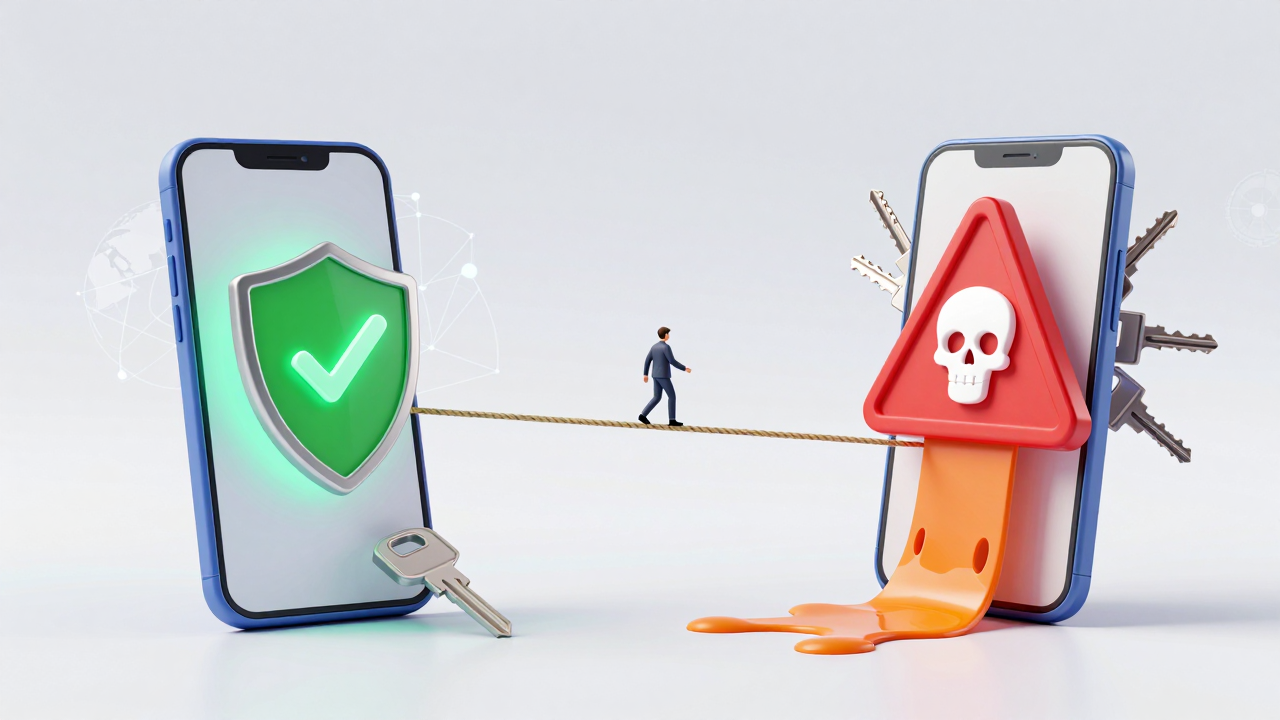
Cross-border e-commerce is a tightrope walk. SMS verification is just one piece of the puzzle, but choosing wrong on this piece can cost far more than you'd expect. Hopefully this helps you sidestep one more pitfall and move forward with a bit more confidence.
Frequently Asked Questions
What is an SMS receiving service?
An SMS receiving service provides temporary or dedicated phone numbers—either virtual or real—that can receive text messages for account registration and identity verification on overseas platforms. It's designed to bypass the limitation where platforms don't deliver SMS codes to certain country codes like +86.
Are SMS receiving platforms legal?
Legitimate SMS receiving platforms operate within legal boundaries by offering virtual numbers for verification purposes. However, using them to create fake accounts or manipulate platform systems may violate the terms of service of those platforms. Choose providers with transparent operations and clear privacy policies.
Why don't I receive verification codes on my +86 number?
Many international platforms restrict SMS delivery to Chinese number ranges due to spam concerns or carrier-level filtering. This isn't a signal problem—it's a routing restriction that SMS receiving services are designed to work around.
How do I know if an SMS receiving platform is trustworthy?
Look for four things: traceable number sources (real vs. virtual), a test-before-bulk purchasing option, responsive customer support, and a detailed privacy policy that covers data retention and deletion. Avoid platforms that push large prepaid balances or advertise unrealistically low prices.
Can using an SMS receiving service get my accounts banned?
It can, if you use shared number pools or numbers from flagged ranges. Platforms' risk control systems detect patterns like multiple accounts registered from the same number range. Using dedicated numbers from reputable providers significantly reduces this risk, but it never drops to zero.