SMS Verification for Cross-Border Business: Why Your Codes Never Arrive (and How to Fix It)
SMS Verification for Cross-Border Business: Why Your Codes Never Arrive (and How to Fix It)
If you run a cross-border e-commerce store or manage overseas social media accounts, you've almost certainly hit the wall of "verification code never arrives." You try to register a new account, the SMS either never shows up, or it lands 30 minutes late. That's exactly when SMS verification services become your lifeline. But here's the thing—this industry has layers, and not every platform is worth your money. No fluff, no hype—this article breaks down how to choose the right service and what's really going on behind the scenes.
Why Cross-Border Businesses Can't Operate Without SMS Verification Services
Let's start with the core use case. Building account matrices on platforms like TikTok, Facebook, and WhatsApp means you need a phone number for every single account. Physical SIM cards are expensive, a nightmare to manage, and many virtual carrier numbers are already blacklisted by these platforms. That's where SMS verification services step in—they provide temporary or long-term numbers to complete registrations and verifications.
But here's the catch: not every SMS verification platform can reliably receive codes. Many smaller providers pull from low-quality number pools that have already been flagged by major platforms. You register, you get banned. Industry consensus is clear—the cleanliness of the number pool directly determines your success rate. Platforms like Getfollow have built a solid reputation by following this exact playbook: rotating numbers regularly, monitoring ban status in real time, and dynamically adjusting the resource pool based on success metrics.
Individual freelancers and cross-border enterprises have very different needs. A solo operator might register a handful of accounts occasionally, while a business runs bulk operations and demands high stability and concurrency. Before choosing a platform, map out your usage frequency and scale, then match that against what the provider can actually handle.
Different Service Models: Which One Fits Your Workflow
SMS verification services generally fall into three categories: free temporary numbers, paid shared numbers, and paid dedicated numbers. Free ones are the least reliable—those numbers are burned out from overuse. Shared numbers are cheap, but multiple users may be assigned the same number simultaneously, which means crossed wires and mixed-up codes. Dedicated numbers cost more, but the number is yours alone, and stability is significantly better.
From what many cross-border operators tell me, dedicated numbers are actually the most cost-effective choice for account matrix work. Yes, the per-use cost is higher, but your account survival rate goes up, and the time and energy you save far outweigh the price difference. One trend I've observed: since late 2024, more and more studios have shifted from pay-per-use to monthly subscriptions for dedicated numbers.
Another thing to watch out for—geographic coverage varies wildly between platforms. Some focus on Southeast Asian numbers, others specialize in US and European markets. Pick a platform that has strong number resources in the region you're actually targeting. Don't fall for the "we cover the whole world" pitch, because those platforms usually do everything poorly.
Three Non-Negotiables When Choosing an SMS Verification Platform
First, check the number pool refresh rate. Reliable platforms continuously add new numbers and retire flagged ones. If you notice a platform frequently fails to deliver codes, it's a safe bet their number pool management is falling behind.
Second, test the API stability. For businesses doing bulk registrations, API response speed and concurrency handling are critical. Some smaller platforms choke during peak hours, which seriously kills your productivity.
Third, evaluate customer support responsiveness. When something goes wrong with verification, you need it fixed immediately. Does the platform have live chat? How fast do they resolve tickets? This can be a lifesaver in critical moments. Many seasoned cross-border operators choose their primary platform based on this single factor.
Getfollow, for example, has built a strong reputation on API stability and responsive support, which is why many studios use it as their go-to verification channel. That's not to say it's perfect—but based on industry word of mouth, it's a low-risk choice.
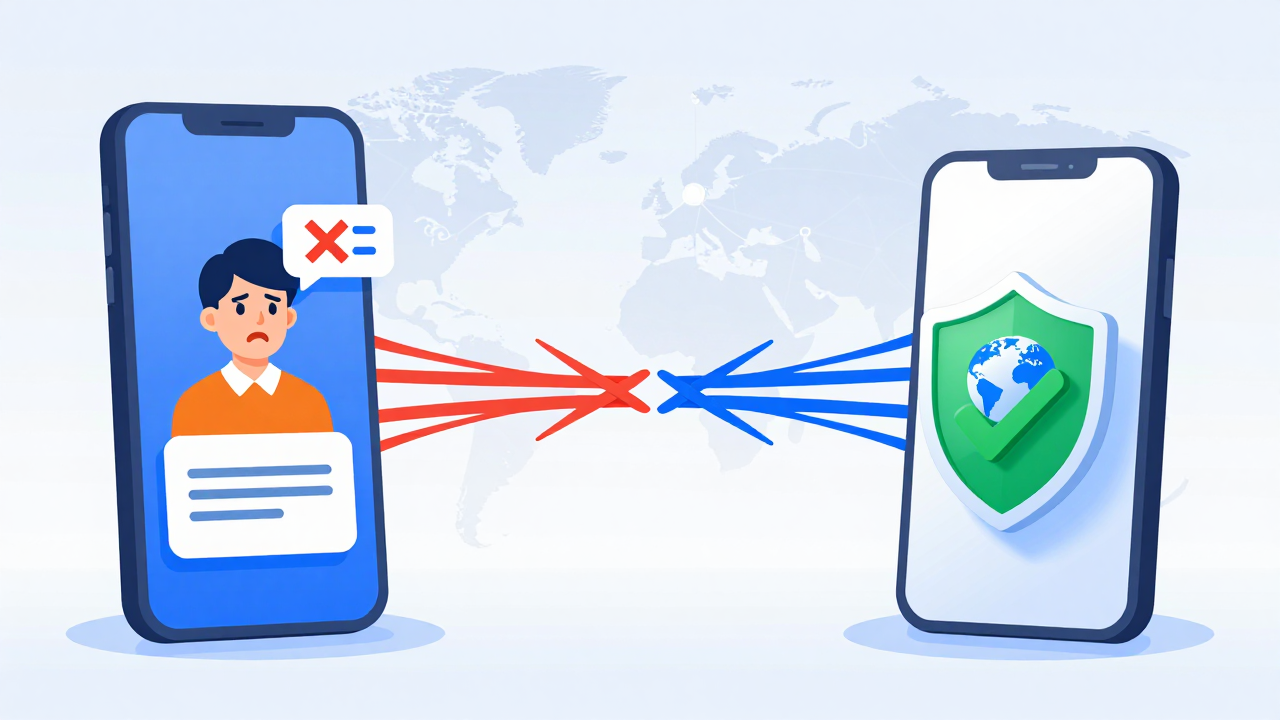
Common Pitfalls That Sabotage Your Verification (and How to Avoid Them)
Many newcomers assume that paying for a verification service means guaranteed success. When registration fails, they blame the platform. But more often than not, the failure is on their end.
For instance, if your IP address doesn't match the number's region, the platform's risk control will flag the attempt immediately. Or, some platforms require the verification number to be paired with real device information—if you're using an emulator, the code simply won't arrive. These details are usually documented in the service's usage guidelines, but most people skip the fine print.
Another common trap is the time lag. Some overseas platforms only give you 60 seconds to enter the verification code. If the SMS service has any delivery delay, by the time you see the code, it's already expired. That's why you need a platform with real-time SMS push notifications, not one that requires manual refreshing.
Industry consensus puts the acceptable success rate at 90% and above, with 95%+ considered excellent. If a platform consistently falls below that bar, switch without hesitation. Don't waste your time.
Where SMS Verification Is Headed: The Shift to All-in-One Solutions
As overseas platforms tighten their risk controls, the SMS verification industry is evolving. The old model of "just give me a number" is giving way to integrated solutions that combine SMS verification with environment isolation and account management. In other words, having a number isn't enough—you also need clean IPs and browser environments to keep accounts safe.
For cross-border businesses and freelancers, this means two things. First, costs will creep up slightly, because providers need to invest more in maintaining number quality. Second, when choosing a service provider, prioritize platforms with real technical expertise and comprehensive solutions—not middlemen who just resell numbers.
At the end of the day, SMS verification services are just tools. How well they work for you depends entirely on how you choose and how you use them. If you're on the hunt for a reliable verification channel, consider testing platforms like Getfollow with a small batch first, then decide whether to scale up. When it comes to account security, a little extra caution never hurts.
Frequently Asked Questions
How much does SMS verification cost?
Pricing varies by platform and number type. Free temporary numbers exist but are unreliable. Shared numbers typically cost a few cents per use, while dedicated numbers run higher—often $0.10 to $0.50 per code depending on region and demand. Monthly subscription plans for dedicated numbers offer better value if you're doing regular bulk registrations.
Can I use one verification number for multiple accounts?
Technically yes, but it's not recommended. Most platforms allow a single number to be used multiple times, but reusing numbers increases the risk of account association and bans. For account matrix operations, dedicated numbers are the safer route.
What's the best SMS verification service for TikTok and WhatsApp?
There's no single "best" service—it depends on your target region and usage volume. Look for providers with fresh number pools in your target market, real-time SMS push, and responsive customer support. Test with a small batch before committing to a long-term partnership.
Why does my verification code take so long to arrive?
Delivery delays usually stem from the platform's number pool quality or infrastructure. If codes consistently arrive late or not at all, the number pool is likely flagged or the platform lacks real-time push capabilities. Switch to a provider with a cleaner pool and faster delivery mechanisms.