Best SMS Verification Websites: A Buyer's Guide for Cross-Border Businesses
Best SMS Verification Websites: A Buyer's Guide for Cross-Border Businesses
If you run a cross-border e-commerce operation or manage overseas social media accounts, you've likely encountered the challenge of SMS verification websites. Registering for Amazon, WhatsApp, or TikTok requires a foreign phone number capable of receiving verification codes, and that's where many people get stuck. Buying physical SIM cards is expensive and a hassle to manage, which is why SMS verification platforms have become the go-to solution. But here's the catch—the market is crowded with unreliable options. Some platforms take your money and disappear, others recycle numbers so heavily that your accounts get flagged, and genuinely dependable services are harder to find than you'd think.
The Real Problem Isn't "Can It Receive Codes"—It's Reliability
Most first-time users of SMS verification websites are drawn in by low prices. A few cents per code sounds like a steal. But after a few uses, the cracks start to show: low success rates, numbers flagged by risk controls, or platforms vanishing overnight. I've seen cross-border sellers lose accounts they'd spent two weeks nurturing—all because the verification step failed. The money they saved on verification codes was nothing compared to the losses they absorbed.
For businesses that depend on these services, three factors matter most:
- Success rate and number quality: Does the platform use direct carrier connections? Are the numbers clean and free from prior abuse?
- Country and carrier coverage: Do you need US numbers, UK numbers, or Southeast Asian ones? Your platform's coverage directly determines how far your business can expand.
- Refund and support policies: Can you get an automatic refund if a code never arrives? How fast does customer support respond? These matter far more than the price per code.
From my experience, the platforms that earn long-term trust don't compete on price—they compete on stability and post-sale support. Getfollow is one example that consistently comes up in industry discussions, operating with this compliance-first approach. Their pricing sits slightly higher, but users report far fewer headaches.
Why Some SMS Verification Platforms Get Worse Over Time
The technical barrier to building an SMS verification website isn't that high. What's difficult is maintaining a steady supply of quality numbers and staying ahead of platform risk controls. Many smaller platforms are essentially middlemen—they buy numbers in bulk from upstream suppliers and resell them. When the upstream channel wobbles, the user experience collapses immediately.
Here's something industry insiders understand well: the quality of a platform's number pool is constantly shifting. A number that works perfectly today might get flagged by your target platform tomorrow. That's why well-run platforms continuously purge dirty numbers and replenish their pools with fresh ones, rather than squeezing the same set of numbers indefinitely.
I've noticed a common pattern: small studios and freelancers often band together in group chats to split the cost of verification services, driving prices down to rock bottom. But these informal channels typically offer zero after-sales support. When something goes wrong, you're on your own. Cross-border business runs on continuity—account registration is just the first step, and everything that follows depends on a stable verification environment. The stories of people saving pennies and losing dollars are all too common in this space.
How to Screen a Verification Service Provider
- Start with track record and reputation—be wary of platforms operating for less than a year
- Make a small deposit and run a real verification test to gauge success rate and response speed
- Confirm the refund policy is clearly stated, ideally with automatic refunds for failed deliveries
- When comparing prices, factor in the cost of failure—paying a few extra cents per code is worth it if it boosts your success rate by 20%
One more piece of advice: don't judge a platform by how polished its website looks. Some of the flashiest verification sites have the weakest backend infrastructure. Meanwhile, platforms with plain, no-frills interfaces often deliver better stability because they've focused their resources on the technical side. That said, services like Getfollow that manage to combine good UX with solid performance are worth benchmarking against.
The Compliance Question: Where SMS Verification Sites Operate in Gray Areas
You can't talk about SMS verification without addressing compliance. To be clear, the service itself isn't illegal—it's simply a technical capability for receiving verification codes. What determines its legality is how it's used. Registering for legitimate business accounts is fine. Using it for mass account farming, malicious registrations, or bypassing platform risk controls crosses the line.
Many cross-border operators have noticed that overseas platforms are getting much stricter about detecting virtual numbers. WhatsApp, for instance, actively checks whether a number comes from a VoIP or virtual carrier range and bans accounts instantly if it does. So when choosing an SMS verification website, pay close attention to whether the platform offers physical SIM card numbers rather than purely virtual ones. This directly affects your account survival rate.
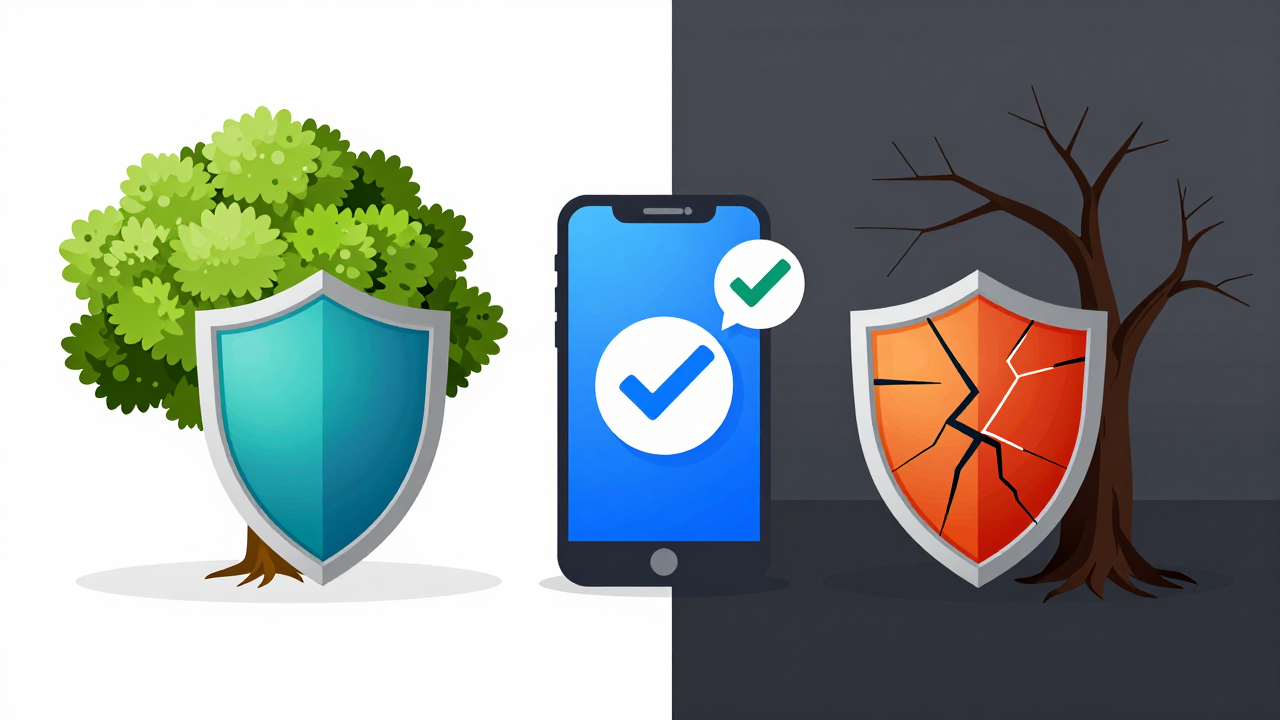
There's a widely accepted view in the industry: compliant verification platforms actively restrict abusive behavior. They might limit how often a single number can be used for registrations, require real-name authentication, or monitor for unusual activity patterns. These restrictions might seem inconvenient, but they're what protect number quality for everyone. Platforms that accept every order without question should raise red flags—their number pools are likely already contaminated.
Practical Tips for Small Teams and Freelancers
If you're running a small operation, treat your SMS verification website as core infrastructure rather than a disposable tool. Stick with one or two platforms consistently, and maintain a simple spreadsheet tracking which numbers you've used for which platforms. This makes troubleshooting far easier when issues arise. Also, avoid public "hot" number segments—most platforms label numbers by usage heat, and the hotter a number is, the more times it's been used, which means higher risk-control exposure.
Here's a pro tip: match the price tier to the importance of the account you're registering. For low-stakes registrations like forums or community sites, budget numbers work fine. For e-commerce platforms or payment accounts, invest in premium dedicated numbers. The price difference usually reflects how clean and exclusive the number is—and this is one area where cutting costs can backfire badly.
Looking ahead, the SMS verification industry is going through a shakeout as overseas platforms tighten their risk controls. Services that compete purely on price while neglecting number quality will gradually disappear, leaving behind providers with solid technology and disciplined operations. For cross-border businesses and independent operators, now is actually a good time to identify long-term partners. Choose the right platform, and you've secured the first line of defense for your accounts. Choose wrong, and you're walking into a minefield.
At the end of the day, SMS verification websites aren't a question of "do they work" but "how do you use them reliably, over the long haul." I hope this guide gives you a framework for making your own judgment—so you can avoid the pitfalls and keep your operations running smoothly.
Frequently Asked Questions
Is it legal to use SMS verification websites?
Yes, the service itself is legal. It becomes problematic only when used for malicious purposes like mass account creation or bypassing platform security measures. Always use verification services for legitimate business registration.
Why do my accounts get banned even with a verification code?
This usually happens when the number you received is a virtual or VoIP number that the target platform has flagged. Choose platforms that offer physical SIM card numbers and maintain clean number pools to reduce this risk.
How much should I pay for SMS verification codes?
Pricing varies by country and number type. Budget numbers can cost as little as a few cents, while premium dedicated numbers for major platforms might cost several dollars. Factor in failure costs—a slightly higher price per code is worth it if it significantly improves your success rate.
Can I use the same number for multiple accounts?
Technically yes, but it's risky. Platforms like Amazon and WhatsApp track number usage patterns. Using one number across multiple accounts increases the chance of all of them getting flagged. Dedicated numbers are safer for important accounts.