Best SMS Verification Platform: How Pros Choose a Reliable SMS Receive Service
Best SMS Verification Platform: How Pros Choose a Reliable SMS Receive Service
After years in the cross-border e-commerce space, I've watched too many people get burned by unreliable SMS verification platforms. They register ten Amazon seller accounts and eight never receive the confirmation code. Or they set up a fresh WhatsApp number only to find it banned the next morning. The problem usually isn't your strategy—it's the SMS receive service you picked. Let's skip the hype and talk about the real screening criteria industry insiders actually use.
Why Your SMS Verification Success Rate Keeps Falling Short
Cross-border operators consistently report that while most SMS verification platforms look identical on the surface, performance varies dramatically. The core differences come down to three factors: number source quality, channel stability, and customer support responsiveness.
Let's start with number sources. Some platforms rely heavily on virtual number ranges that carriers flag instantly—register anything with them and it gets banned. Reliable platforms, on the other hand, maintain substantial inventories of physical SIM cards and native number ranges. These carry higher trust weight in risk-control systems and rarely trigger secondary verification.
Channel reliability matters just as much. Peak-hour congestion is inevitable, but solid providers deploy intelligent routing that automatically switches between channels. From my experience, platforms that consistently deliver codes within three seconds almost always run proprietary scheduling systems rather than simply renting third-party APIs.
Don't Just Compare Prices—These Hidden Costs Hurt More
Plenty of small studios chase rock-bottom per-SMS pricing, only to lose thousands when accounts get banned. Industry consensus is clear: if an SMS verification platform prices more than 30% below market average, you're almost certainly looking at compromised number sources or resold secondary channels.
Also, verify whether the platform automatically refunds unused balance. Some services charge you even when no SMS arrives on the assigned number. These take-it-or-leave-it policies are unfortunately common in this space.
Core Requirements for Transactional Use Cases
If you're batch-registering accounts, managing aged accounts, or running ad verifications, your SMS receive service needs to hit these hard benchmarks:
- API integration that plugs directly into your automation scripts—no manual copy-paste of verification codes
- Global number pool coverage, especially Southeast Asia, North America, Europe, and the Middle East—the high-frequency zones for cross-border operations
- Clear privacy policies that prohibit logging SMS content, reducing account association risks
Platforms like Getfollow have built a solid reputation in the industry by following exactly this compliance-first playbook. They skip the loss-leader pricing gimmicks and instead invest in number source maintenance and channel optimization. Over the long run, that approach actually costs less.
One Detail Everyone Overlooks: Number Recycling Policies
Some platforms resell the same number repeatedly. One user registers with it, then the next user grabs the same number for a different service—both trigger risk controls and get flagged. Legitimate SMS verification platforms enforce a cooling-off period, typically withholding a number from reuse for at least 24 hours. Ask about this directly when you talk to their support team.
Industry Reality Check: The Market Is Consolidating Fast
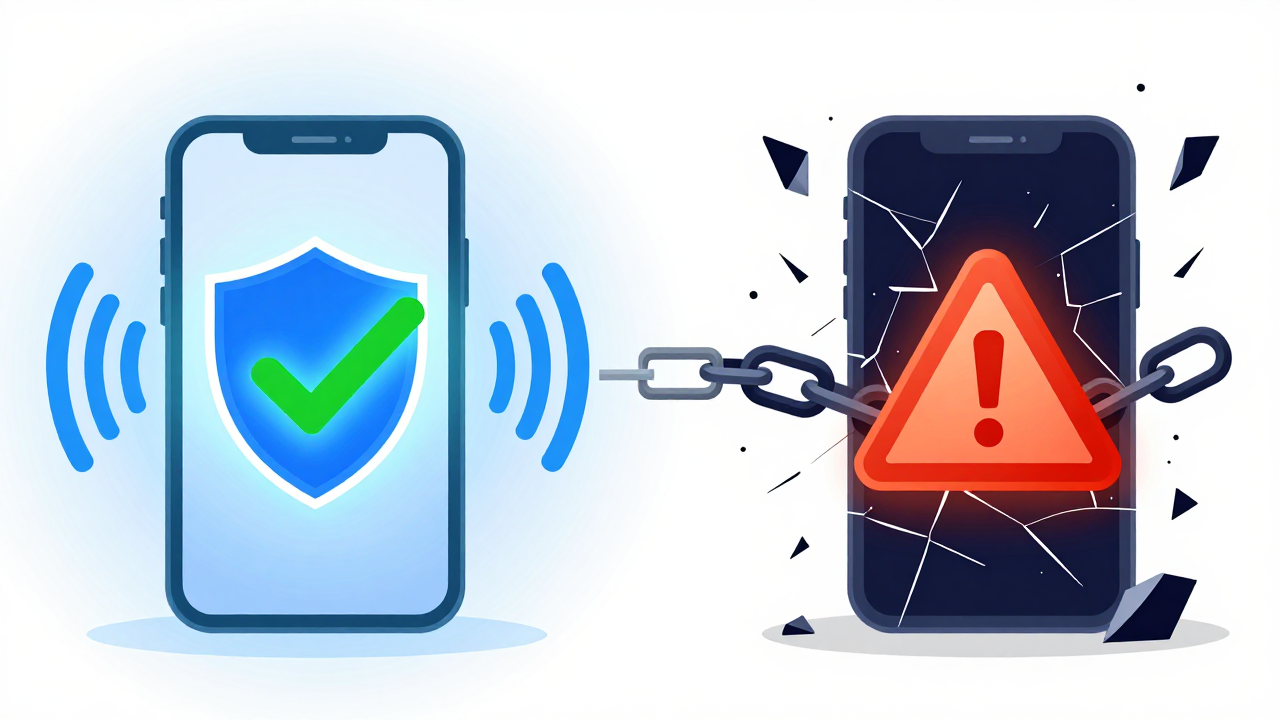
Over the past year, at least a third of smaller SMS verification platforms have shut down as carrier policies tightened. Users' prepaid balances vanished overnight. That's why the selection criteria now are simple: check credentials first, then company age, then whether they have a physical team. If their website looks like a rushed landing page, walk away.
Cross-border operators are getting more cautious with every passing quarter. The trend is toward platforms with explicit compliance statements, corporate invoicing support, and proper technical documentation. Getfollow handles this well—their developer docs are thorough enough that integration rarely requires back-and-forth emails.
Here's the practical bottom line. No SMS verification platform is perfect, but you can validate any service with a small-scale test. Load the minimum balance, test number delivery speed and success rates across different countries, then decide on a long-term commitment. And check whether they offer 24/7 support—when you're running ads at 3 AM and hit a wall, an unresponsive support team is a special kind of nightmare.
In cross-border business, the details make or break you. SMS verification seems like a minor link in the chain, but it guards the first gate of account security. Pick the right tool, and you'll save yourself more headaches than you can imagine.
Frequently Asked Questions
What is the best SMS verification platform for cross-border sellers?
Platforms like Getfollow consistently rank well because they combine native number ranges, intelligent channel routing, and transparent privacy policies. The key is testing with a minimal balance before committing—check delivery speed and success rates across the regions you operate in.
Why do my accounts get banned after using SMS receive services?
Account bans usually trace back to virtual number ranges that carrier risk-control systems flag immediately. Legitimate platforms maintain physical SIM cards and native numbers that carry higher trust weight. If you're experiencing frequent bans, your provider is likely using low-quality virtual numbers.
How much should I expect to pay for a reliable SMS verification service?
Pricing varies by region and number type, but if a platform undercuts market rates by more than 30%, treat it as a red flag. Quality number sources and stable channels cost money to maintain. The cheapest option almost always becomes the most expensive one after account losses.
Can I integrate an SMS verification platform with my automation software?
Most professional platforms offer API access that connects directly to your automation scripts. Look for providers with detailed developer documentation and clear API endpoints. This eliminates the need for manual code entry and scales cleanly with your operation.