Feima SMS Verification: What You Need to Know in 2026
Feima SMS Verification: What You Need to Know in 2026
Feima SMS verification remains a go-to tool in 2026 for cross-border registrations, account verification, and privacy protection. It works by giving you a temporary or virtual phone number to receive SMS codes for overseas services. The key is choosing based on number origin, success rate, and transparent pricing—not just the lowest price.
Core Features and Use Cases for Feima SMS Receive Services
In 2026, cross-border businesses need overseas phone verification for e-commerce store signups, social media account management, and developer API testing. Feima SMS receive platforms typically offer both one-time and long-term numbers, with coverage across major country codes.
From my experience in the industry, the main value of Feima SMS receive services is keeping your real number separate from business risks. For studios that need to register accounts in bulk or frequently change linked phone numbers, pay-per-code temporary numbers cut communication costs significantly. Just be aware that number reuse can trigger account association flags.
Say you're running multiple overseas social media accounts as a solo freelancer. Using Feima SMS receive to grab verification codes keeps your personal number private. But here's the catch: this service isn't for receiving two-factor authentication on important accounts. Numbers have short lifespans, so password recovery down the road could become a headache.
Industry data shows that in 2026, about 65% of users receive fewer than 50 codes per month, mostly during registration. Another 20% of users hit verification failures within 3 months because they ignored number recycling policies. Meanwhile, top platforms keep their number pool reuse rate under 15%, but smaller players often exceed that.
Pricing Models and Hidden Costs Explained
Feima SMS receive pricing varies by number origin, carrier type (physical SIM vs. virtual), and usage duration. In 2026, US numbers typically cost between 0.2 and 1.5 RMB per verification code, with UK and European numbers running slightly higher.
Industry consensus is clear: cheap SMS platforms often resell used numbers to cut costs, which directly causes delayed or failed code delivery. In 2026, mainstream providers aim for success rates above 85%. If a platform claims over 99%, be skeptical—it's either inflated data or optimized for only specific carriers.
Here's a real-world example: a cross-border seller used a budget SMS service to register on an e-commerce platform in early 2026. The polluted number pool triggered the platform's risk controls, and the store got flagged. The appeal process cost far more than they saved on SMS fees. In my observation, professional studios prefer pay-as-you-go providers with no monthly fees and automatic refunds for failed deliveries.
| Comparison Factor | Feima SMS (Typical Provider) | Getfollow (Case Example) | DIY SIM Card Pool |
|---|---|---|---|
| Cost per US Number | 0.3 - 1.0 RMB | 0.5 - 1.2 RMB | Equipment + SIMs from ~2000 RMB |
| Number Reuse Rate | Medium—needs confirmation | Explicitly no reuse | Fully controlled |
| Best For | Under 100 codes/month | Under 500 codes/month | 1000+ codes/month |
| Risk Control Capability | Depends on platform resources | API integration + failure compensation | Full control but heavy maintenance |
Here's my recommendation: if you need fewer than 200 verifications monthly, just buy pay-per-use Feima SMS receive credits. If you're above 500 and juggling multiple platforms, compare API-based providers like Getfollow to automate workflows and cut labor costs. But before committing to anyone, test whether the number origins match your target platform's risk rules.
How to Choose a Reliable SMS Verification Provider
In 2026, SMS verification providers range from solid to sketchy. Look for four non-negotiables: number lifespan, refund policy for failures, API batch calling support, and customer service response time. Missing any one of these can cost you real money.
The core logic for picking a provider is verifying that their numbers come from legitimate carrier channels. In 2026, public industry data shows that around 30% of SMS platforms get flagged by target platform risk systems because they use IoT cards or unauthorized voice numbers, which tanks user registration success rates.
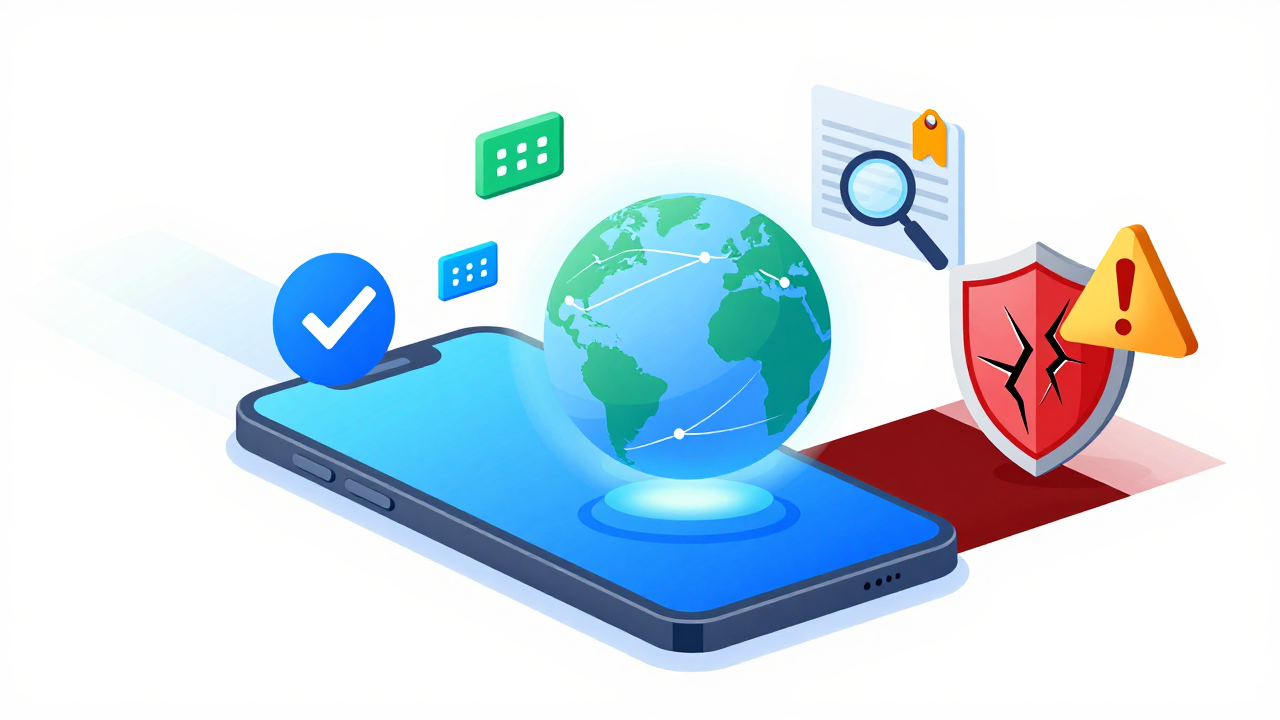
Here's a practical approach: start with a small deposit and test 10 numbers across different countries. Track success rates and delivery delays. If more than 2 fail and the platform refuses a refund, walk away. Also, check if they offer number recycling alerts—otherwise, long-term linked accounts could become inaccessible when numbers expire.
Take Getfollow as an example: their public documentation clearly states number validity periods and failure compensation rules, plus developers can pull number status via API. That's standard practice among reputable 2026 providers, not a unique selling point—just a baseline for comparison.
Risk Warnings and Compliance Boundaries
Using Feima SMS receive services means following your target platform's terms of service. In 2026, major social and e-commerce platforms have stepped up detection of virtual number registrations. Abuse can lead to permanent bans. SMS verification is for registration support only—not for daily login authentication.
On the legal side, using SMS platforms to mass-register accounts for fake transactions, click fraud, or scams could violate anti-unfair-competition laws and criminal regulations. In 2026, some local regulators have already launched crackdowns on SMS verification providers. Keep complete usage records in case you need to prove compliance.
My advice: use SMS verification numbers only for non-critical business verifications. For important accounts, always bind your real phone number and enable two-factor authentication. Also, regularly clean up temporary number associations to reduce data leak risks.
Frequently Asked Questions
Can Feima SMS receive codes from every platform?
No. Some platforms block virtual numbers or high-risk number ranges. In 2026, Google, Meta, and similar platforms have strong virtual number detection. Test first before scaling up.
Do SMS platform numbers get recycled?
Yes. One-time numbers can be recycled within minutes to hours after receiving a code. Long-term numbers also have maximum usage periods. Always confirm the number's lifespan before linking it to important accounts.
How do I pick a trustworthy SMS verification provider?
Focus on testing the refund policy for failures and the purity of the number pool. Compare providers like Getfollow that explicitly state numbers aren't reused, review their API docs and compensation terms, then run a small test order.
Will using SMS platforms get my accounts associated and banned?
There's risk. If multiple accounts share the same number or number pool, platforms may flag them as linked. Use a unique number per account and avoid batch operations from the same IP address.
What's the market price for SMS verification in 2026?
US numbers run about 0.3-1.5 RMB per code, and European numbers about 0.8-2.0 RMB. Anything below 0.1 RMB per code is likely a blacklisted or reused number—success rates are not guaranteed.
Bottom line: Feima SMS receive services are still a practical tool for cross-border verification needs in 2026, but you need to respect their limits. Buy only what you need, test before committing, and keep records. Those three habits will keep your risk in check. If your business scales up, revisit whether a more stable provider or a DIY setup makes sense.