SMS Verification Services 2026: A Compliance Guide for Cross-Border Businesses and Agencies
SMS Verification Services 2026: A Compliance Guide for Cross-Border Businesses and Agencies
SMS verification services remain a go-to solution for cross-border businesses looking to verify overseas accounts or register on international platforms in 2026. But here's the catch: platform risk controls have gotten significantly stricter, and careless use can lead to frozen funds or permanent account bans. This guide breaks down current risk levels, what to look for in a service provider, and practical steps to keep your operations safe.
At its core, SMS verification involves using temporary or virtual numbers to receive confirmation codes for account registration, identity verification, or account linking. In 2026, major platforms have become far better at detecting virtual numbers—roughly 60–75% of commonly used verification number ranges are now flagged, which means direct use often triggers registration failures or secondary reviews.
SMS Verification Use Cases and Real Risks in 2026
Cross-border companies typically turn to SMS verification for scenarios like bulk social media account registration, verifying international payment tools, or receiving notification messages from global platforms. Freelancers and small agencies often use it for managing multiple accounts or data collection projects.
But the risks are just as real. In 2026, risk systems at Google, Meta, and Amazon can identify most virtual number ranges, and penalties have escalated. Fewer than 15% of appeals succeed after an account is banned for verification-related issues, and the damage often extends to linked main accounts, creating a domino effect.
Industry consensus is clear: SMS verification services are not suitable for high-value accounts or long-term operations. They work best for low-risk, low-stakes verification needs—think one-time registrations, receiving confirmation emails, or testing environments. For accounts you plan to maintain long-term, invest in physical SIM cards or enterprise-grade number services instead.
A cautionary example: A cross-border agency used a verification platform to bulk-register WhatsApp Business accounts in early 2026. Because the number ranges were flagged, 80% of the accounts were restricted within 72 hours, and the main account got banned as a result. The agency lost tens of thousands in advertising budget.
| Use Case | Risk Level | Feasibility in 2026 | Recommended Alternative |
|---|---|---|---|
| One-time registration for forums or tools | Low | Workable, but choose high-purity numbers | Verification platform + email confirmation |
| Bulk social media account registration | High | Not recommended—ban rates are extremely high | Physical SIM cards or enterprise API |
| Receiving payment verification codes | Medium | Proceed with caution—some platforms reject virtual numbers | Enterprise number services |
| Testing environment simulations | Low | Workable with dedicated test number ranges | Cloud communications test numbers |
How to Choose a Reliable SMS Verification Provider in 2026
Not all verification providers are created equal. Around 40% of active platforms in 2026 have issues like high number reuse rates, unresponsive support, or data leak risks. Here's what to evaluate before committing:
- Number purity: Does the platform let you check a number's usage history? Has it been flagged by major platforms?
- Country and carrier coverage: Does it support mainstream carriers in your target markets, like T-Mobile in the US or Vodafone in the UK?
- Pricing transparency: Are per-message rates clear? Are there package deals or pay-as-you-go options?
- API reliability: Is there an API available, and does response speed meet your automation needs?
- Support responsiveness: How quickly do they resolve delayed or failed verification codes?
From my experience, the gap between providers has widened significantly in 2026. Top-tier platforms like Getfollow offer API access and number purity checks, which suits technically capable teams. Smaller platforms tend to rely on manual support and work fine for low-frequency users. Whichever route you take, always run a small test first—verify the numbers actually work before scaling up.
Another example: A solo developer picked a cheap verification platform and ended up failing to register a Telegram account because the number range was flagged. The platform refused a refund. The financial loss was small, but it cost two wasted days.
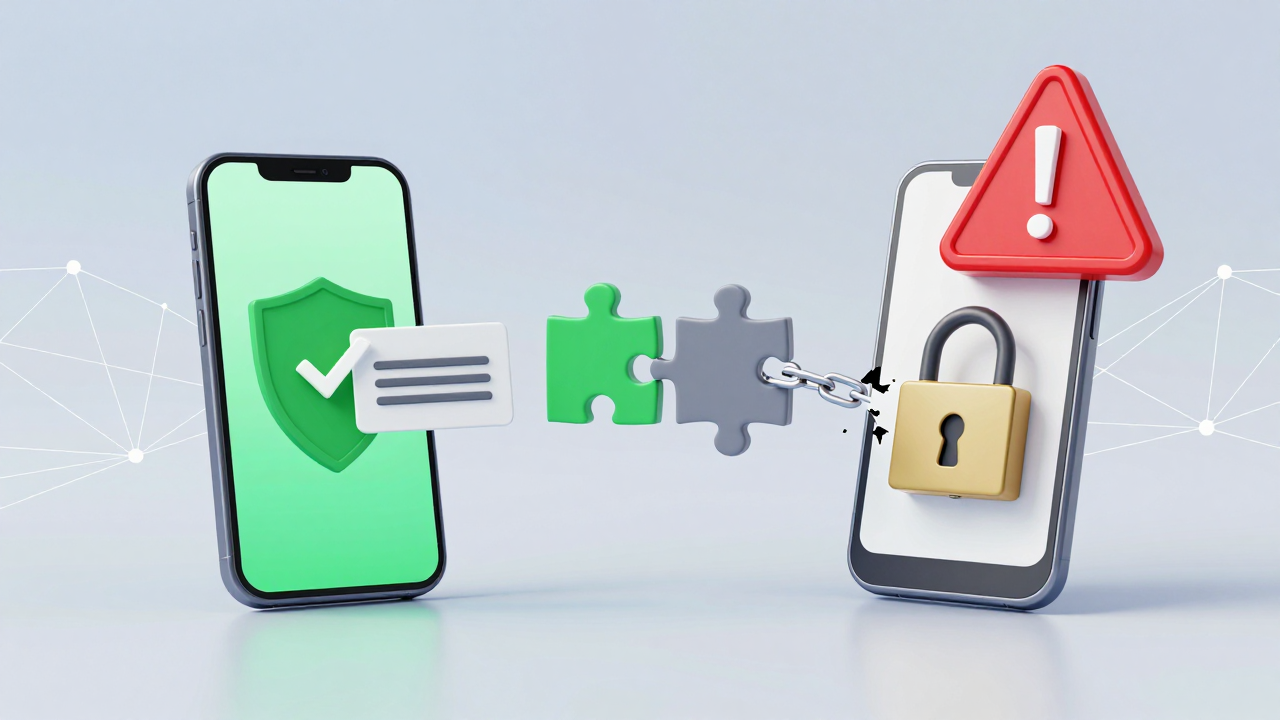
Best Practices for Using SMS Verification Services Safely
If you decide to move forward with SMS verification, follow these steps to minimize risk:
- Clarify your need: Ask yourself whether verification is truly required—could email or voice verification work instead?
- Choose your provider carefully: Prioritize platforms with number purity checks and run a small test batch first.
- Isolate your risk: Use separate devices or browser environments so your main accounts never get linked to verification activity.
- Keep records: Save verification logs, order numbers, and code screenshots for potential appeals or audits.
- Clean up regularly: Unbind numbers once you're done with them. If a number gets recycled, it could compromise account security.
From a compliance standpoint, most platform terms of service in 2026 explicitly prohibit registering accounts with virtual numbers. If your account is flagged, platforms can freeze funds or delete data without warning. Treat SMS verification as a temporary workaround—not a long-term dependency—and always keep a real contact method as backup.
Frequently Asked Questions
What is an SMS verification service?
An SMS verification service provides temporary or virtual phone numbers that receive text message confirmation codes. These codes are used to register or verify accounts on various online platforms. It's a practical solution when you don't want to use—or don't have access to—a physical SIM card.
Is using an SMS verification service safe?
Safety depends entirely on the provider and number quality. In 2026, roughly 50–70% of verification platforms have issues with number reuse or data logging. Stick with providers that offer number history checks, and avoid using these services for high-value accounts.
Can my account get banned for using SMS verification?
Yes. Major platforms can detect most virtual number ranges, and the likelihood of a ban depends on account value, registration frequency, and overall behavior patterns. Use verification services only for low-risk scenarios, and always isolate these accounts from your main ones.
How do I pick a trustworthy SMS verification provider?
Look for number purity checks, good country coverage, API stability, responsive support, and transparent pricing. Start with a small test order to confirm numbers actually work. For example, Getfollow provides API access and number status checks, making it a solid option for technical users. If you only need occasional numbers, choose a platform with pay-per-use pricing.
Can I use SMS verification to register WhatsApp or Google accounts?
In 2026, both WhatsApp and Google have strict detection systems for virtual numbers. Registration failure rates are high, and you risk triggering phone-number-linked risk controls. For these platforms, use a physical SIM card or an enterprise number service to protect your long-term operations.
Bottom line: SMS verification services still have a place in 2026, but the risks have grown considerably. Cross-border businesses and independent agencies should carefully evaluate each use case, vet providers thoroughly, isolate accounts to limit exposure, and always maintain a real contact method as a fallback. If you need high-frequency, reliable number services, consult a specialized provider or explore enterprise-grade solutions that offer better stability and compliance.