Free SMS Verification in 2026: How Cross-Border Sellers Pick a Service That Won't Backfire
Free SMS Verification in 2026: How Cross-Border Sellers Pick a Service That Won't Backfire
If you work in cross-border e-commerce, you already know the pain: without a reliable phone number for SMS verification, you're basically stuck. Registering for Amazon, TikTok Shop, WhatsApp Business, or even clearing PayPal's risk checks—every single step demands a text message code. By 2026, platforms advertising "free SMS verification" are everywhere, but free usually comes with costs you can't see at first glance.
From my conversations with people across the cross-border community, the consensus is clear: free verification platforms aren't automatically useless, but you absolutely need to understand how they operate underneath. Otherwise, you might wake up to a banned account and have no idea why. Let's break this down properly.
The Real Story Behind Free SMS Verification: Who's Actually Paying?
A lot of people assume these platforms are just doing charity work. In reality, the 2026 landscape shows most free services survive on two revenue streams: number reuse and ad traffic monetization.
Number reuse means a batch of virtual numbers or overseas physical SIMs gets cycled through thousands of users. You might use one to register a Twitter account today, and tomorrow someone else grabs the same number for Telegram. The platform takes zero responsibility, but your account risk multiplies.
- Risk #1: Account association bans. When multiple users share one number, platform risk controls quickly flag it as suspicious registration. At best, you'll face repeated verification prompts. At worst, your account gets permanently suspended.
- Risk #2: Delayed or lost verification codes. During peak hours, you might wait in line for a code only to have it expire before it arrives. This is extremely common on free platforms.
- Risk #3: Privacy exposure. You have no idea what that number was previously used for. If it's tied to shady activity, your IP and device fingerprint could get caught in the crossfire.
I tested several top-ranked free SMS sites myself, and a clear pattern emerged: the more popular the target platform (Google, Facebook, etc.), the lower your success rate. Why? Because those platforms' risk engines have already flagged these public number pools.
Platform Crackdowns in 2026: Free SMS Verification Is Losing Ground
This year, overseas platforms have gotten dramatically better at detecting virtual and recycled numbers. Industry observers agree that registering new accounts with free SMS services in 2026 carries a survival rate of under 30%. Many cross-border professionals report that TikTok or Instagram accounts created with free codes rarely last a week before being hit with face verification demands.
Here's the part that catches people off guard: platform risk controls operate on guilt by association. Once a number gets flagged as high-risk, your linked email, device, and even network environment all come under extra scrutiny. That's why so many people say, "I didn't do anything wrong, but my account got banned anyway."
To be fair, free SMS verification still has its place. For one-off needs—registering a forum account, grabbing a discount code, or testing a tool with temporary verification—it gets the job done. The key is knowing which category your need falls into.
But if you're running a cross-border business, your accounts are assets. Using free verification for core business accounts is like building a house with disposable chopsticks. You save a few bucks and lose everything.
A Practical Framework: Free, Paid, or a Hybrid Approach?
The smartest play in 2026 isn't an all-or-nothing strategy. From my observations, established teams use a tiered management model:
| Account Type | Recommended Approach | Core Rationale |
|---|---|---|
| Core business accounts (storefronts, payment gateways, ad accounts) | Dedicated physical SIM or a stable paid number service | Protect account security and avoid cross-contamination from risk flags |
| Secondary accounts (social media matrix, burner accounts for growth) | Shared numbers from a compliant verification platform | Control costs while accepting some attrition |
| One-time use (event sign-ups, temporary verification) | Free SMS platforms | Disposable by design—no regrets if it fails |
The core question here is simple: how much are you willing to pay for certainty? The biggest problem with free SMS isn't that you won't get codes—it's that you never know when the service will fail you. For cross-border operations, the time lost and the damage to account authority cost far more than a few cents per message.
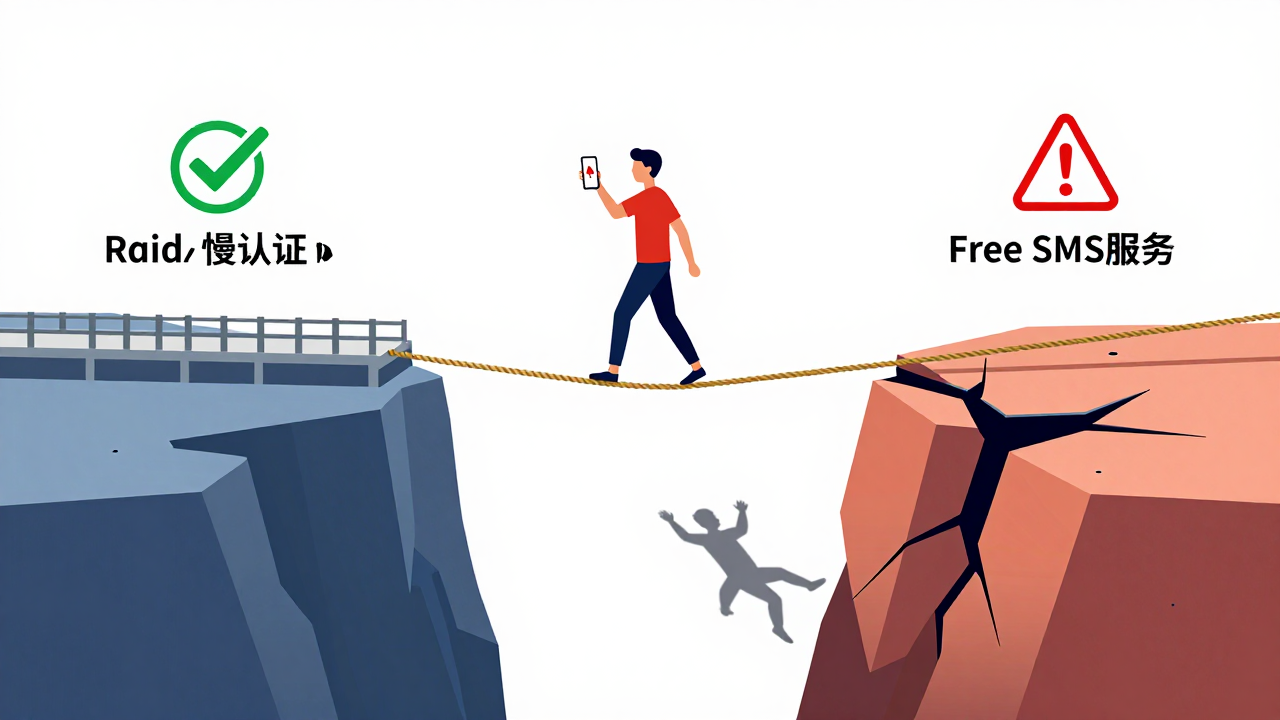
On the compliant service provider side, platforms like Getfollow have built a solid reputation by following this exact playbook. They don't advertise free service, but they offer more stable number resources and clearer risk isolation. If account security is a priority for you, they're worth including in your comparison list.
How to Vet an SMS Verification Platform Before Committing
Here's a screening method I use myself. It's not a specific recommendation, but it will help you dodge most of the landmines:
- Ask about number sourcing. Directly ask customer support whether their numbers are physical SIMs or virtual. If virtual, press for operator and region details. By 2026, many platforms already offer physical SIM pools, which are significantly more stable.
- Test with a low-profile platform first. Don't start with Google or Facebook. Use a niche platform's verification code to gauge number "cleanliness." If a niche platform delivers instantly, the number pool is probably solid.
- Check historical reputation. Search cross-border forums and communities for the platform's name. Look for complaints about bans or undelivered codes. Watch out for paid shills—real user complaints tend to be very specific.
- Start small, then scale. This is the safest approach. Buy a small package, register accounts on 3–5 different platforms, and monitor survival rates and code delivery over a week before investing more.
A common sentiment I hear from cross-border professionals in 2026: the fear isn't spending money—it's spending money and still not getting security. Free SMS platforms aren't unusable, but you need to understand their role. They're an emergency tool, not business infrastructure.
The Bottom Line: Free Often Costs the Most
Let's circle back to the phrase "free SMS verification." If you're searching for that term, you're likely new to cross-border trade or running a cost-sensitive operation. My advice: free is fine, but set boundaries.
Use free verification for scenarios where losing an account doesn't hurt. Reserve your core accounts for more reliable solutions. The cross-border game in 2026 isn't about who takes the biggest risks—it's about who survives the longest. Account security is your foundation. If the foundation is shaky, everything you build on top of it is just a house of cards.
If you're still deciding, start by making a list: which accounts are mission-critical, and which are just passing through. Then allocate your verification budget accordingly. Remember, test small before you commit big—that's always the safest decision in this business.
FAQ: Free SMS Verification Services
Are free SMS verification sites safe to use?
They carry inherent risks, mainly because numbers are shared among many users. This can lead to account bans, delayed codes, or privacy concerns. Use them only for low-stakes, one-time registrations.
Why do my accounts get banned after using free SMS codes?
Platforms like Google, Facebook, and TikTok maintain databases of known virtual and recycled numbers. When you register with one, their risk systems may flag your account as suspicious, leading to verification demands or outright suspension.
What's the difference between free and paid SMS verification?
Paid services typically offer dedicated or semi-dedicated numbers from physical SIM pools, which are far less likely to be flagged. Free services rely on heavily reused number pools, trading reliability for zero cost.
Can I use free SMS verification for my cross-border business accounts?
It's strongly discouraged. Core business accounts—like storefronts, payment processors, and ad accounts—are too valuable to risk. A single ban can cascade into losing linked accounts and accumulated authority.
How do I choose a reliable SMS verification platform?
Ask about their number sourcing, test with a low-profile platform first, check community feedback for red flags, and always start with a small package to evaluate performance before scaling up.