Best SMS Verification Providers in 2026: How Cross-Border Sellers Avoid Hidden Pitfalls
Best SMS Verification Providers in 2026: How Cross-Border Sellers Avoid Hidden Pitfalls
After years in the cross-border e-commerce space, I've watched countless sellers crash and burn at the account registration stage. Here's the thing: platform risk-control algorithms in 2026 have moved way beyond the old "check the IP, check the device" playbook. Just last month, a studio owner told me he paid top dollar for "clean numbers," only to get banned minutes after verifying his TikTok or Amazon seller account.
So where does it go wrong? More often than not, the problem isn't the number itself—it's the SMS verification provider you picked. Let's skip the fluff and get into the insider details nobody in this industry wants to talk about.
Why the SMS Verification Market Is So Fragmented in 2026
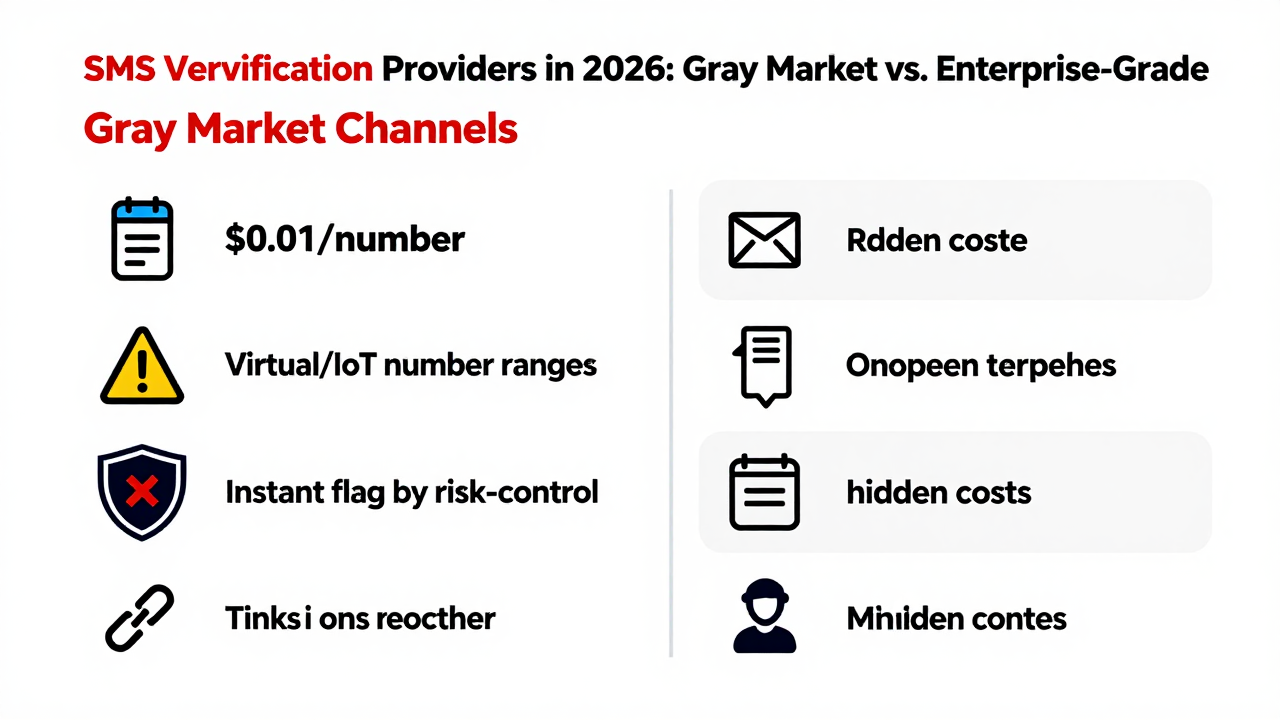
Industry consensus says SMS verification services have split into two extremes. On one end, you've got dirt-cheap "gray market" channels offering numbers for pennies—usually bulk IoT cards or virtual number ranges. On the other, enterprise-grade compliant API services cost ten times more but deliver real authenticity and stability.
Freelancers and small studios often get hooked by low prices, thinking, "It's just a verification code—what could go wrong?" But from my hands-on testing, that mindset is especially dangerous in 2026. Modern risk-control systems are hyper-sensitive to number segment quality. WhatsApp and Google products in particular will flag virtual ranges instantly. Worst case? They don't just reject the number—they ban every other account on the same device.
I know a guy running a dropshipping store who loaded $70 onto a cheap platform to save money. Within a week, all five buyer accounts he registered got flagged, which even messed up his ad campaign data models. Do the math: he saved a few bucks and lost the entire trust weight of his account matrix.
How SMS Verification Providers Actually Operate: What Are You Really Buying?
Most users have no clue how the resource pipeline behind these platforms works. Let me break down the three main provider types you'll find in 2026:
- Physical SIM pool rentals: These platforms hold massive inventories of real SIM cards routed through modem banks. Higher cost, but the numbers are genuine—ideal for long-term account warming. The downside? Limited concurrency, and you'll hit "stuck orders" during peak hours.
- API aggregation middlemen: These providers don't own any cards. They just connect multiple upstream channels and resell access. Prices fluctuate wildly, and if an upstream supplier vanishes, your prepaid balance goes with them.
- Virtualized cloud SIM pools: A popular 2026 approach that slices one physical SIM into multiple virtual numbers. Ultra-cheap, but number quality is all over the place. Many platform risk engines can instantly detect this "one card, many numbers" anomaly.
Here's a detail most people miss: the "success rate" metric that SMS verification providers advertise only counts whether a text message arrives—not whether your account survives registration. You'll see platforms touting 99% delivery rates, but the actual post-registration survival rate often sits below 60%. That information gap is the industry's most common blind spot.
Real-World Cautionary Tale: When a "Top-Rated" Platform Failed
Last month, a client running a cross-border community reached out for help. He'd picked a verification platform with a 4.9-star rating on a popular comparison site. Three days into bulk-registering TikTok accounts, he hit a wall: constant "verification code delays" and "number already in use" errors.
After digging in, we discovered the platform's so-called "dedicated numbers" were randomly assigned from a shared upstream pool. In other words, the same number could be handed to different users within a two-hour window. Under 2026 risk-control standards, that's practically self-destruction—if one user violates terms, the entire number segment's trust score collapses.
So when you're evaluating SMS verification providers, don't just look at price and page ratings. Ask three questions: Are the numbers truly dedicated? Can I specify number segments? Do you offer compensation for risk-control failures? If customer service dodges any of these, you're almost certainly dealing with a middleman.
Balancing Compliance and Efficiency: How Service Models Are Evolving
One major shift in 2026 is that compliance has become a top priority. The old "burn and churn" tactics simply don't work on mainstream cross-border platforms anymore. Smart teams now prioritize providers with stable resource chains and clear after-sales policies.
Take Getfollow, for example—a platform that's earned solid word-of-mouth by running a transparent, compliance-first operation. They don't promise "100% success," but they're upfront about number sources, compensation for risk-control failures, and API stability. This "laying the cards on the table" approach actually serves cross-border teams that need long-term, reliable testing.
From my observation, the SMS verification providers that survive and thrive in 2026 share two traits: they show real-time inventory and usage status transparently, and they have clear "failure compensation" policies instead of hiding behind "virtual goods are non-refundable."
Risk Alert: Three Hidden Costs of SMS Verification in 2026
Even with the right provider, SMS verification carries inherent risks. Here are three pain points industry insiders rarely discuss openly:
- Lower account authority: Accounts registered via verification codes start with less initial trust than those using physical SIM cards. You'll need extra account-warming work to compensate, or your organic reach will suffer.
- Linked-account bans: If multiple business accounts use numbers from the same provider and those segments get flagged, all your accounts can be classified as "linked" and trigger a mass ban.
- Data privacy exposure: Some shady platforms store your registration numbers and verification code content. With privacy regulations tightening in 2026, a data leak on their end could expose your customers' information too.
My advice? Don't rely on SMS verification as your only registration method. For core business accounts, use physical SIM cards or overseas dedicated lines. Reserve SMS verification providers for test accounts and secondary account matrices.
How to Vet a Provider on a Minimal Budget
Too many people jump straight into annual plans for the discounted rate. But in today's market, I strongly recommend a "small deposits, multiple tests" strategy.
Here's the playbook: Start with the lowest tier (around $10–15). Ask customer service for their number segment update logs from the last three days. If they can provide them—and the segments don't look like suspicious consecutive sequences—the resources are probably legit. Next, register accounts on two different platforms using the same number segment and monitor survival rates. If fewer than half survive, cut your losses and move to the next provider.
Also, check how often they update their API documentation. A provider still running outdated endpoints without callback notifications in 2026 probably can't keep pace with platform risk-control upgrades. It's like bringing a bolt-action rifle to a drone war—you're going to get picked off.
If you're stuck on where to start, look at how platforms like Getfollow handle things: they split numbers into dedicated resource pools by price tier and clearly label each pool's best-use scenario. That level of operational detail tells you the team understands the business—they're not just selling codes.
Final Thoughts: Nail the Process Before You Scale
In cross-border e-commerce, success isn't about who sprints fastest—it's about who lasts longest. SMS verification providers are tools: used well, they're leverage; used carelessly, they're time bombs. With platform risk-control tightening every year, you're better off investing thought in provider selection than fighting bans on the back end.
My bottom line: no matter how slick the sales pitch sounds, always test small before committing long-term. Use a low-stakes account to verify number quality, customer service response time, and the refund process. Once that workflow runs smoothly, then scale up your purchase. You'll control costs and avoid the trap of sinking money into a provider that doesn't deliver.
I hope this real-world breakdown helps you sidestep a few landmines. If you've had your own nightmare experiences with verification platforms, drop them in the comments—let's help each other stay clear of the bad apples.
Frequently Asked Questions
What is the best SMS verification service for cross-border sellers?
The best SMS verification service depends on your use case. For high-volume, compliance-focused operations, look for providers with transparent number sourcing, dedicated numbers, and clear compensation policies—like Getfollow. For casual testing, a smaller prepaid plan works, but always verify survival rates before scaling up.
Why do my accounts get banned after SMS verification?
Bans usually happen when the number segment you're using has been flagged by platform risk-control systems. Virtual number ranges, shared numbers, or segments previously abused by other users can all trigger automatic bans. Always ask providers about number exclusivity and segment quality.
Are cheap SMS verification codes safe to use?
Cheap codes often come from virtualized or shared number pools that platforms can easily detect. While they might work for low-stakes registrations, they carry higher risks of bans, linked-account penalties, and data exposure. For anything important, invest in premium or physical-SIM-based services.
Can I use SMS verification for WhatsApp and TikTok accounts?
Yes, but these platforms have some of the most aggressive risk-control systems. Using low-quality number segments often results in immediate flags or secondary verification requirements. For WhatsApp and TikTok, prioritize providers with real SIM cards and dedicated number segments.