How to Choose a 7k SMS Verification Platform: Smart Picks for Cross-Border Teams
How to Choose a 7k SMS Verification Platform: Smart Picks for Cross-Border Teams
If you run an e-commerce business or manage overseas social media accounts, you've likely come across 7k SMS verification services. For batch account registration, account warming, or receiving verification codes, a reliable SMS reception channel isn't optional—it's essential. But the market is crowded with providers charging anywhere from a few cents to several dollars per code, and reliability varies wildly. Let's skip the hype and talk about what actually matters when choosing a service, based on industry observations rather than marketing claims.
The Bottom Line First: It's Not About Price—It's About Account Survival
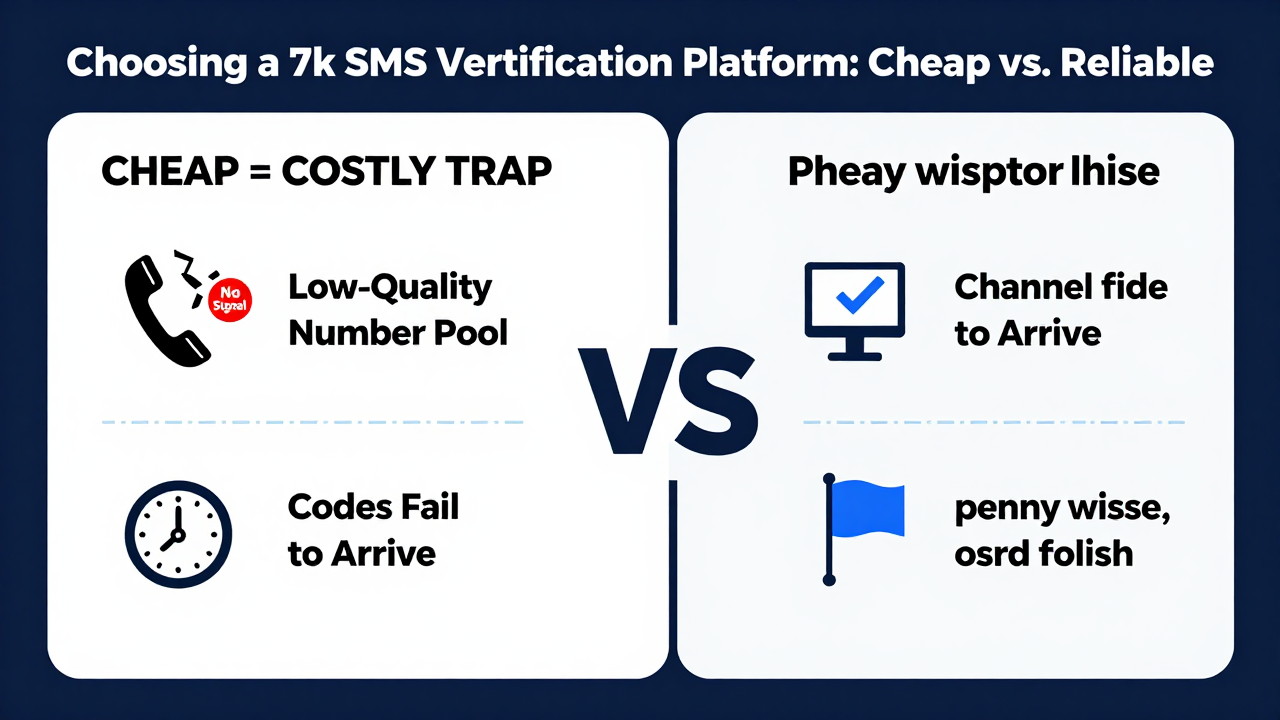
Many newcomers compare prices and pick the cheapest option. But after a few weeks of use, the pattern becomes clear: cheap platforms often have low-quality number pools, verification codes frequently fail to arrive, or freshly registered accounts get flagged within 24 hours. When you factor in lost time and dead accounts, those pennies you saved on SMS codes end up costing you far more.
The industry standard for vetting a platform comes down to three things: number pool refresh frequency, channel success rate, and customer support response time. These three factors determine how long your accounts will actually live. Platforms like Getfollow have built a solid reputation by following this exact playbook—rotating number pools daily and maintaining consistently high success rates, which makes them a good fit for teams that take account quality seriously.
Three Common Use Cases for 7k SMS Verification
Cross-border businesses and independent operators typically fall into three categories when it comes to SMS verification needs, and each one demands different things from a platform.
- Bulk social media account registration: You need real physical SIM card numbers from overseas. Virtual numbers get flagged quickly. Platforms like WhatsApp, Telegram, and TikTok have been upgrading their risk control models, and they're highly sensitive to number origin.
- E-commerce platform verification: For Amazon, eBay, or Shopify, receiving the code is just step one. You'll still need to link payments and shipping addresses, so number stability directly impacts store security.
- In-app two-factor authentication: Think Google Voice or PayPal login verification. This scenario demands lightning-fast delivery—if the code doesn't arrive within 30 seconds, the session usually times out.
A common frustration we hear from cross-border operators isn't finding a platform—it's platforms switching number segments without any warning. You're happily using a number range that works, then suddenly a major tech company blacklists it, and your entire batch of accounts needs re-verification. This is where a platform's operational experience really shows.
Understanding Cost Structures: What You're Actually Paying For
Why does one platform charge 30 cents per code while another charges $3? The difference isn't in the "receiving" action itself—it's in the behind-the-scenes resource integration.
Reliable providers maintain long-term partnerships with multiple overseas carriers and hold bulk SIM card inventory, which isn't cheap. Add to that the ongoing cost of refreshing number pools and purging flagged segments, and you've got significant hidden operational expenses. Low-cost platforms typically skip this step—they don't refresh their pools or they pad them with cheap virtual numbers. It looks like a bargain short-term, but it's a trap long-term.
From my experience, over the past six months, more cross-border community management teams have shifted their SMS verification budgets from "spend as little as possible" to "spend where it counts." They're willing to pay a bit more per code for platforms with proven success rates, because account survival directly ties to their community assets. This shift is pretty telling about where the industry is heading.
Practical Tips for Vetting a Service Provider
If you're evaluating 7k SMS verification platforms right now, don't just stare at the price sheet. Spend ten minutes doing these four things instead:
- Run a small test deposit, then test during late-night hours. Many platforms work fine during the day but choke on channel congestion at night. That's when you'll see the real success rates.
- Ask whether the number pool supports country-specific filtering. Some operations only need US numbers, others need European segments. Platforms that let you filter by region give you more flexibility.
- Check the number retention window—how long the number stays active after receiving a code. If your verification process requires a second confirmation step, a short retention period will leave you stuck.
- Test the support channel yourself. When a code doesn't arrive, do you get an automated bot response or actual human intervention? Response speed is a direct reflection of operational capability.
One more thing the industry agrees on: never put all your eggs in one SMS verification basket. Even if your current platform is rock solid, keep a backup option ready. When this link in the chain breaks, it affects your entire account matrix—not just one account.
Additional Observations on 7k SMS Verification
Let's wrap up with some industry trends. Risk control models on overseas platforms have gotten significantly smarter over the past two years. SMS verification alone isn't enough anymore—you need to pair it with proxy IPs, anti-detect browsers, and proper account warming rhythms. Verification is just one piece of the puzzle, but it's often the piece that breaks first.
Many independent operators start by buying their own SIM card batches to cut costs. The per-code price is lower, sure, but the management overhead is brutal—you have to maintain the cards, keep them active, and prevent them from getting locked. Eventually, most teams pivot to professional SMS verification platforms. It's essentially paying a small fee to buy into a professional team's resource integration capabilities. The logic is the same as why cross-border businesses outsource logistics to third-party providers.
At its core, the demand for 7k SMS verification reflects a fundamental need for stable verification channels in cross-border operations. Whether you're doing product reviews, community building, or e-commerce, account security always comes first. Spending extra time on background research before choosing a platform will save you far more than any post-incident damage control. If you're looking for a starting point, put platforms like Getfollow—with their clear operational logic—on your comparison list, test the success rates yourself, and make your call based on your specific business needs.
Frequently Asked Questions
What is 7k SMS verification and why do cross-border businesses need it?
7k SMS verification refers to using online platforms that provide temporary or dedicated phone numbers to receive SMS verification codes. Cross-border businesses rely on these services for bulk account registration, account warming, and two-factor authentication on platforms like WhatsApp, Telegram, Amazon, and PayPal. Without a reliable SMS reception channel, these operations simply can't scale.
How much does a 7k SMS verification code cost?
Pricing ranges from roughly $0.03 to $3 per code depending on the platform, number type (physical SIM vs. virtual), and destination country. Physical SIM numbers from regions like the US or UK cost more but have significantly higher success rates. Cheaper codes often come from low-quality number pools that get flagged quickly by platform risk control systems.
What's the difference between virtual numbers and physical SIM numbers for SMS verification?
Physical SIM numbers come from real SIM cards activated through overseas carriers, making them much harder for platforms to detect as disposable. Virtual numbers are VoIP or cloud-based numbers that are cheaper but easily identified and blocked by platforms like WhatsApp and TikTok. For high-value accounts, physical SIM numbers are the safer choice.
How long does a number stay active after receiving a verification code?
This varies by platform. Some keep the number active for 5–10 minutes, others up to 24 hours. If your verification process involves multiple steps or a second confirmation, look for platforms with longer retention windows. Short retention periods can leave you locked out mid-process.
Can I use one SMS verification platform for all my accounts?
Technically yes, but it's not recommended. Industry best practice is to maintain at least one backup platform. If your primary provider experiences an outage or gets blacklisted, you'll need an alternative to keep your account matrix alive. Diversifying your verification channels reduces single-point-of-failure risk.