Open SMS Verification Code Services: The Hidden Infrastructure Cross-Border Businesses Can't Ignore
Open SMS Verification Code Services: The Hidden Infrastructure Cross-Border Businesses Can't Ignore
Let's cut to the chase: when you buy open SMS verification code services, you're really paying for a "ticket to account registration," not the phone number itself. Too many cross-border teams obsess over price comparison while ignoring the three factors that actually determine whether your accounts survive: number quality, recycling cycles, and platform compliance. From my experience, I've watched countless studios lose entire batches of TikTok and Amazon accounts because they skimped on cheap SMS activation services. All that time and money spent warming up those accounts? Gone overnight.
This article isn't going to list "top 10 platforms" fluff. Instead, I want to talk about the underlying logic you should actually care about when choosing an open SMS verification code provider—the invisible traps in this industry, and how to vet a service provider with minimal cost.
The Industry's Dirty Secret: You Might Be Buying a "Used" Phone Number
Here's a pattern I see constantly: cross-border operators register accounts through SMS activation platforms, everything looks fine for the first three days, then suddenly they get a "suspicious login from another location" alert on day four—followed by a ban notification. The root cause often isn't your operation. It's the phone number itself carrying "baggage."
Industry consensus says most SMS activation platforms source their number pools from two channels: virtual number segments batch-activated through IoT SIM cards, and "recycled numbers" coordinated with carriers. The former gets flagged easily because of recognizable number segment patterns. The latter might come with a previous user's violation history, meaning the number is "sick from day one."
I've personally tested over a dozen mainstream SMS activation platforms and found a clear pattern: number "freshness" matters far more than price. A freshly released number versus one that's cycled through the pool hundreds of times can show a 40%+ difference in registration success rates. Many platforms skip timely cleanup of dead numbers to cut costs—that's why you constantly hit "SMS never arrives" or "invalid verification code" errors.
Here's a practical tip to avoid this pitfall: before any bulk registration, run a "cold start test" with a single number—register on a low-stakes platform and watch for 24 hours to see if there's any unusual login activity or linked bans. If that test number can't survive three days, drop that provider immediately. Don't cry over the few cents it cost to test.
Service Models Explained: API Integration, Manual Web Distribution, or Aggregator Platforms?
Open SMS verification code services generally fall into three categories. Understanding the differences can save you from wasting money.
Category one: Pure API platforms. These focus on automation and suit studios with technical teams. You call their API through code, and the platform automatically assigns a number and returns the verification code. The upside is efficiency; the downside is a learning curve for integration. Plus, some smaller platforms prioritize speed over number pool freshness, causing wild fluctuations in success rates.
Category two: Manual web-based distribution. This model shows up mostly in Telegram groups or small websites. You pay, and a customer service rep manually sends you a number. It's flexible but painfully slow and offers zero after-sales support. A common complaint from individual studios: when SMS doesn't arrive, customer service simply goes "seen but not replied."
Category three: Compliant aggregator platforms. These typically partner with multiple upstream suppliers, use algorithms to filter for high-quality number segments, and offer both API and web access. Getfollow is one platform that's built a solid reputation in this space—they don't own the number resources themselves. Instead, they act as "quality inspectors," filtering out garbage numbers from upstream suppliers and selling them at a slight premium. Essentially, you're paying for certainty.
Risk Alert: Bans, Retention Rates, and "Ghost Numbers"
Now for the reality check. The biggest risk with open SMS verification code services isn't the SMS reception itself—it's what happens after you register your accounts.
Too many cross-border teams obsess over "can I receive the code?" while ignoring the IP environment behind the number. A clean, fresh number that gets used to register multiple platforms from the same IP segment is a red flag. Risk control systems can easily link all your accounts through device fingerprinting and IP correlation—and wipe them out in one sweep. That's not the SMS platform's fault, but a responsible platform should warn you about it.
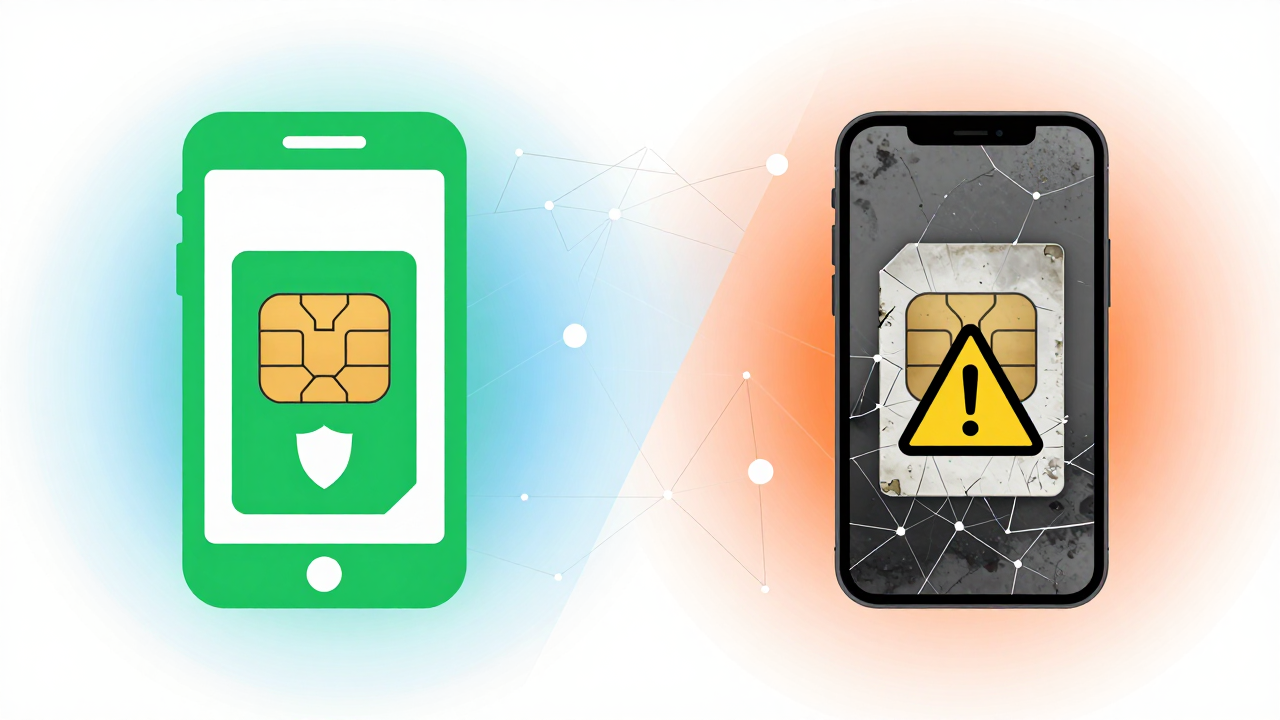
On retention rates, industry consensus is clear: accounts registered through high-quality SMS activation services see first-week retention rates between 50% and 70%, while low-quality numbers might retain less than 20%. "Retention" here means the account isn't banned and remains usable. If a provider tells you they have a "99% success rate," they're probably playing word games—equating "SMS received" with "registration successful" while ignoring downstream risk control reviews.
Another common trap is "ghost numbers"—the platform shows a number has been assigned, but you never receive the verification code. This usually happens when platforms oversell their number inventory. Reliable providers typically have "automatic timeout refunds" or "balance compensation" mechanisms. Smaller platforms? They'll just block you and move on.
How to Make a Smart Decision with Minimal Cost
Since you're here with a transactional intent, let's get straight to actionable advice. No matter which provider you're considering, run through this testing protocol:
- Small deposit test: Never top up more than $15 on your first deposit. Test 10 numbers at the lowest price tier and track success rate, average time, and SMS latency.
- Cross-platform verification: Don't register on just one platform. Use those 10 numbers across platforms with different risk control levels—TikTok, Amazon, WhatsApp—and observe the differences.
- Support response test: Deliberately submit a ticket outside business hours and time how long it takes them to respond. This tells you a lot about operational stability.
- Number recycling window: Ask customer service how long before a used number gets recycled. If it's under 15 minutes, the number pool is tight, which could hurt you later during account appeals.
I know one particularly meticulous studio that goes even further: before every bulk registration batch, they buy one "premium number" as a probe—specifically to test the target platform's current risk control intensity. It costs a bit more, but compared to losing an entire batch of accounts, that money is well spent.
Final Thoughts: Treat SMS Activation as Infrastructure, Not a Shortcut
Open SMS verification code services are essential infrastructure for cross-border operations—but they're just the first step of a long journey. The account warming period, content strategy, and payment environment setup after registration can all reset your progress to zero if mishandled. So when making decisions, put provider stability ahead of price, and always stick to the principle of "test small first, scale later." Finding a partner who can grow with you matters far more than finding the cheapest number vendor.
If you're evaluating providers right now, score them on three things: number freshness, support response mechanisms, and whether they proactively warn about IP risks. The platforms that survive long-term in this industry are the ones that put serious work into all three. Getfollow, for instance, even displays a number's "historical usage count" in their dashboard—that kind of transparency genuinely reduces trial-and-error costs.
One last reminder: any provider promising "guaranteed approval" or "100% stability" is probably holding a scythe aimed at your wallet. Stay rational, move in small steps, and that's how you play the long game in cross-border business.
Frequently Asked Questions
What is an open SMS verification code service?
An open SMS verification code service, also called an SMS activation platform, provides temporary or virtual phone numbers that receive verification codes for account registration on platforms like TikTok, Amazon, and WhatsApp. These services are commonly used by cross-border e-commerce sellers, freelancers, and digital marketers who need to create multiple accounts for business operations.
Why do accounts registered with SMS activation platforms get banned?
Accounts typically get banned for two reasons: the phone number itself carries a history of violations (a "used" number), or the registration environment triggers risk control—such as multiple accounts registered from the same IP address. The quality of the number and your IP hygiene both play critical roles in account survival.
How much do open SMS verification code services cost?
Pricing varies widely depending on number quality and platform reputation. Low-quality numbers can cost just a few cents, while premium numbers from compliant aggregator platforms might cost several dollars each. For bulk registration campaigns, many businesses budget between $50 to $200 per batch, depending on the target platform and volume.
What's the difference between API and manual SMS activation services?
API-based services integrate directly with your code and automate number assignment and verification code retrieval—ideal for studios with technical resources. Manual services involve a human sending you a number after payment, which is slower and offers limited after-sales support. Aggregator platforms like Getfollow offer both options while filtering number quality from multiple upstream suppliers.
How can I test if an SMS activation platform is reliable?
Start with a small deposit and test 10 numbers across platforms with different risk control levels. Track success rates, SMS delivery times, and support response times. Also ask about the number recycling window—if numbers are recycled in under 15 minutes, the pool is likely stretched thin, which could affect account appeals later.