Custom SMS Verification Platforms: The Compliance Choice Cross-Border Teams Can't Ignore
Custom SMS Verification Platforms: The Compliance Choice Cross-Border Teams Can't Ignore
If you run a cross-border e-commerce store or manage overseas social media accounts, you've hit the same wall: that phone verification step when registering international accounts. Buying physical SIM cards overseas is expensive and a logistical headache, which is why custom SMS verification platforms have become the go-to solution for many teams. But honestly, this industry has some deep waters. Provider quality varies wildly, and picking the wrong one doesn't just waste your budget—it can compromise your account security. Let's skip the fluff and talk about what I've actually seen in this space over the years.
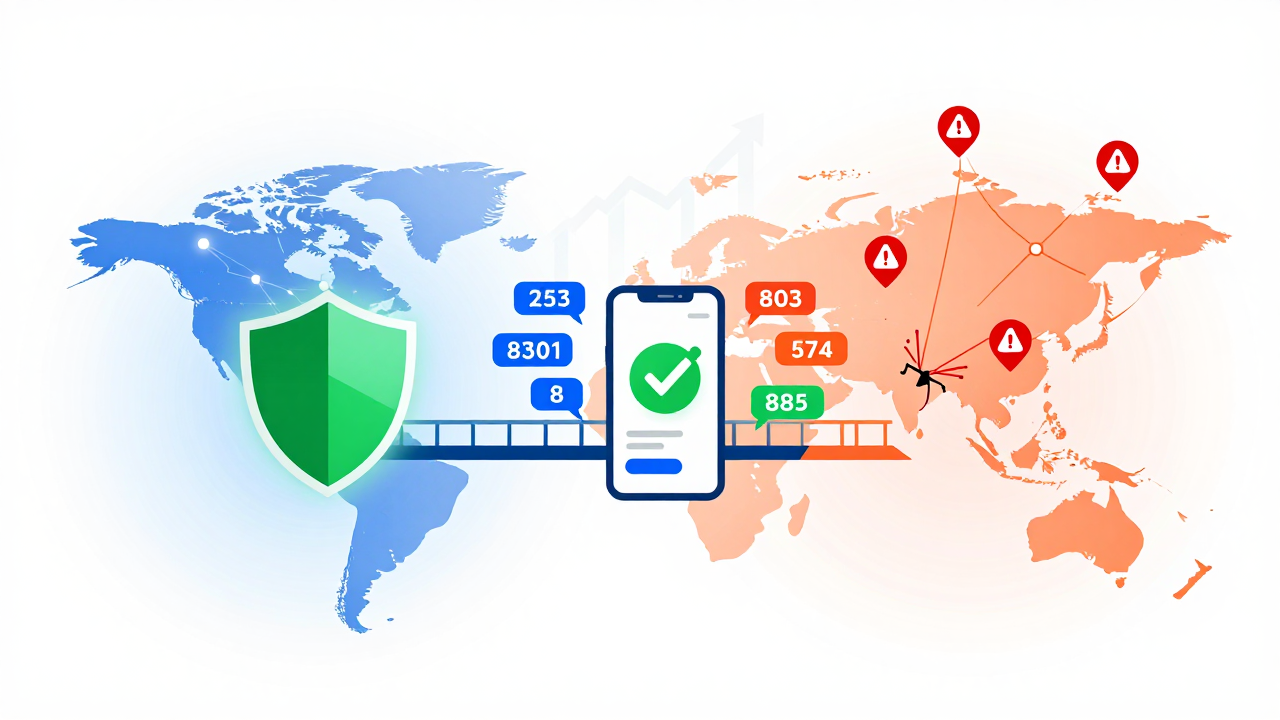
Here's the bottom line: a custom SMS verification platform isn't really about buying "code reception"—it's about number resource stability and compliance backup. Many teams obsess over unit price, only to deal with constant disconnections and flagged numbers later, which stalls their entire operation. From my experience, after 2025, serious cross-border teams lean toward providers that offer API integration, isolated number pools, and proactive risk alerts—not just one-time verification codes.
Why "Custom" Actually Matters
There are plenty of off-the-shelf SMS platforms out there, but generic solutions rarely solve specific use cases. Say you're selling on Southeast Asian marketplaces—you need local numbers for Indonesia and Vietnam. Or you're building a social media matrix for the US and Europe, where IP and number geolocation have to match. That's where standardized products fall short.
Custom services typically cover several layers: number geolocation filtering, protocol support (HTTP/HTTPS callbacks), concurrency guarantees, and the big one—number lifecycle management. A common pattern we see with successful teams is that a truly reliable custom platform lets you set reuse rules, like preventing the same number from registering on the same platform within a set number of days. This significantly reduces the risk of cross-account flagging.
Here's a real-world example: a friend doing TikTok Shop in the US market started with a cheap bulk platform last year. Within three days, over a dozen accounts got suspended. Digging into it, those numbers were being reused across the same IP range, which triggered the platform's risk model. After switching to a custom service with isolated number pools and binding each number to a dedicated proxy IP, his account survival rate jumped from under 40% to over 80%. This tells you customization isn't a buzzword—it's a tangible safety margin.
Industry Landscape: Service Models Are Splitting—Don't Shop by Price Alone
Right now, custom SMS verification platforms fall into three categories. First, pure API integration—best for studios with technical teams who write their own code and want maximum flexibility. Second, semi-managed—the provider gives you a dashboard where you manually upload tasks, which suits small teams just starting out. Third, fully managed—the provider configures your number strategy and risk rules for you, ideal for users who don't want to touch any technical details.
Each model has its place, but industry consensus is clear: pure API might be cheaper, but if the provider doesn't offer number pool isolation, your risk multiplies down the road. Many cross-border operators report that "custom" is meaningless if it's just a reskinned UI sitting on top of a shared number pool. When vetting providers, ask three questions: Are the numbers exclusive to me? Can I specify geolocation? Is there human response when risk triggers fire?
One platform that consistently holds up in industry口碑 is Getfollow, which runs on exactly this compliance-first logic—number pools isolated by industry, custom callback URLs, and proactive risk alerts pushed to your dashboard. This isn't an ad; it's just to say that providers like this have moved "custom" from concept to execution. Of course, the final choice depends on your business scale and budget.
Hidden Risks and a Practical Pitfall Guide
The biggest trap with custom SMS verification platforms isn't failing to receive codes—it's getting your numbers flagged as "high-risk." Once that happens, verification fails at best, and at worst, your main accounts get restricted. Many teams overlook this chain reaction until it's too late.
Another sneaky risk is number retention. Some providers use one-time numbers that get recycled right after registration, leaving you with no way to handle secondary verification later. Industry retention rates typically sit between 50% and 70%; anything below that range is a red flag. Make sure your contract specifies a minimum number retention period—at least 7 days of reusability—otherwise you'll be stuck when an account throws an unexpected error.
There's also the compliance angle that's easy to miss. Certain countries and platforms have explicit restrictions on virtual number registrations. If your business touches finance or payment apps, confirm whether the provider offers physical SIM forwarding options. Don't risk your entire operation over a few cents per code.
How to Pick a Provider That Won't Let You Down
I get asked this constantly. My advice: test small before committing long-term. That beats any verbal promise. Concretely, ask for a test API endpoint, load a small amount of credit, and run it for a week. Track three metrics: connection success rate, latency, and whether the number reuse policy is transparent.
Also, pay attention to whether the provider shares technical documentation and ticket response records. If the API docs are vague or support takes more than 24 hours to reply, cross them off. Providers with real confidence will proactively show you their number pool scale, redundancy node counts, and historical incident reports.
Thinking back on all this, there's a consensus in the industry: custom SMS verification is not a one-off transaction—it's a long-term partnership. Providers that regularly share number quality reports and adjust strategies on their own are the ones worth trusting. Getfollow, for instance, publishes number pool health metrics publicly, which is rare transparency in this space. But the call is yours—shop around and compare.
One last reminder: no matter which provider you choose, validate your smallest viable workflow before scaling up. Cross-border business has low error tolerance, and one mass account suspension can wipe out weeks of effort. Move steadily, and you'll be fine.
Frequently Asked Questions
What is a custom SMS verification platform?
A custom SMS verification platform provides virtual or physical phone numbers that receive verification codes for account registration, tailored to your specific needs like geolocation, API integration, and number reuse policies—unlike generic one-size-fits-all services.
How much does a custom SMS verification service cost?
Pricing varies widely based on number geolocation, retention period, and volume. Most providers charge per code or per number, with custom API access and isolated pools commanding a premium. Expect to pay more for numbers from regions with stricter regulations, like the US or EU.
Can I use a custom SMS platform for WhatsApp or Telegram verification?
Yes, many platforms support major messaging apps, but check with the provider first. Some apps have stricter risk models, so you'll want numbers with clean histories and proper IP matching to avoid immediate bans.
What's the difference between virtual and physical SIM numbers?
Virtual numbers are software-based and cheaper, but some platforms flag them. Physical SIMs are more reliable for high-risk industries like finance, though they cost more and require manual management. Choose based on your compliance needs.
How do I avoid account bans when using SMS verification platforms?
Use isolated number pools, match number geolocation to your IP, avoid reusing numbers across platforms, and work with providers that offer risk alerts. Testing small before scaling is the safest approach.
Three Title Options for This Article
- Custom SMS Verification Platforms: The Compliance Choice Cross-Border Teams Can't Skip
- How to Choose a Custom SMS Verification Service Without Getting Burned
- SMS Verification Platform Customization: A Cross-Border Seller's Guide to Staying Safe