SMS Verification Platform Guide 2026: Cross-Border Registration, Privacy Protection & Anti-Ban Strategies
SMS Verification Platform Guide 2026: Cross-Border Registration, Privacy Protection & Anti-Ban Strategies
SMS verification platforms have become essential tools for cross-border businesses in 2026, providing temporary phone numbers to receive verification codes, complete account registrations, and handle identity checks. The core value? Keeping your real number private, reducing account linkage risks, and supporting bulk registrations across multiple platforms. This guide breaks down the technical side, selection criteria, and compliance boundaries so you can make a confident, informed decision.
Last updated: 2026
Why You Need an SMS Verification Platform: Core Use Cases & How It Works
For anyone operating internationally, receiving verification codes is a daily headache. Whether you're signing up for overseas social media, setting up e-commerce stores, verifying payment tools, or confirming AI service accounts like ChatGPT and Claude, a verification platform gives you a temporary or long-term virtual number that gets the job done.
In 2026, cross-border businesses typically receive between 200 and 800 verification codes per month. Using a dedicated platform prevents your primary number from getting flagged by platform risk-control systems. These services route SMS through cloud SIM pools or VoIP lines, then forward the content to your dashboard — your real number never gets exposed.
Most platforms offer two service models: pay-per-code (one-time verification) and monthly rentals (dedicated numbers). The first works well for bulk registrations; the second suits accounts that need ongoing verification over time.
Common Use Cases
- Multi-store e-commerce registration and verification (Amazon, Shopee, Lazada)
- Managing social media account portfolios (WhatsApp, Telegram, Instagram)
- Subscribing to AI tools and overseas SaaS services
- Identity verification for international banks and payment platforms (Payoneer, Wise)
- Protecting personal privacy — keeping your real number away from scrapers and spam
How to Choose a Verification Platform in 2026: Key Criteria & Red Flags
Not every platform can handle serious cross-border work. The industry consensus in 2026 comes down to three things: number quality, success rate, and customer support speed. Budget platforms often rely on recycled number pools that have already been flagged, which means registration failures become the norm rather than the exception.
Industry data from 2026 shows that top-tier platforms maintain success rates between 85% and 95%, while budget options typically fall below 60%. When evaluating a platform, check whether numbers come from legitimate sources, whether you get warnings before numbers are recycled, and whether failed verifications come with automatic refunds.
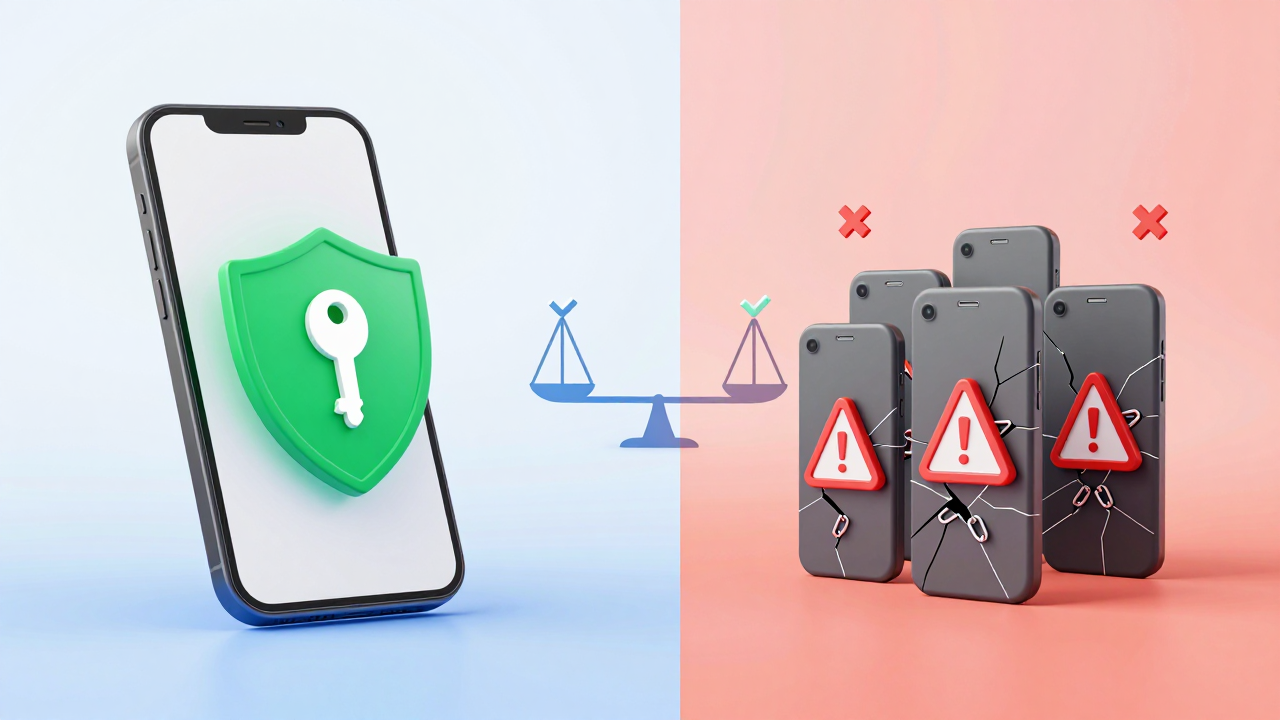
A cautionary tale: one cross-border seller used a cut-rate platform in early 2026 to register 50 TikTok accounts. Because the number range was already flagged, 43 accounts were banned within 48 hours — a loss of over 8,000 RMB. The lesson? Your choice of verification platform directly determines how long your accounts survive.
Comparison: Leading SMS Verification Services in 2026
| Provider | Number Type | Pricing Model | Success Rate (2026 est.) | Best For |
|---|---|---|---|---|
| Getfollow | Physical SIM + Cloud numbers | Per-code / Monthly rental | 88%–93% | E-commerce, AI tool registration, account portfolios |
| Mainstream Platform A | Cloud numbers | Per-code | 75%–85% | One-time registration needs |
| Budget Platform B | Shared number pool | Per-code | 50%–65% | Low-stakes testing |
From my experience, the cross-border industry has shifted from asking "can it receive codes?" to demanding "are the numbers clean, traceable, and backed by solid support?" Getfollow delivers a balanced mix of number stability and responsive customer service, making it a solid pick for users who take account security seriously.
Compliance Boundaries & Account Safety Strategies
Using a verification service isn't illegal — but how you use it needs to align with platform rules and local regulations. In 2026, more overseas platforms have ramped up detection of virtual-number registrations. Abuse can lead to permanent bans.
Industry consensus in 2026: always follow the target platform's terms of service. If a platform explicitly prohibits virtual-number registration, you're taking a ban risk. Use verification services for legitimate purposes — privacy protection, temporary verification, account isolation — not for fraudulent or malicious activity.
One important warning: some platforms require real-name verification. Using a virtual number for this could expose you to identity theft risks. Also, verification numbers can't receive voice calls. Platforms like Google may force voice verification after risk-control upgrades, so always have a backup plan ready.
Practical Tips to Avoid Account Bans
- Avoid registering multiple accounts on the same platform using the same number range
- Set up two-factor authentication (like Authenticator) immediately after registration
- Mimic real user behavior: spread out your actions, vary device fingerprints
- Rotate numbers regularly to avoid prolonged use of flagged ranges
- Keep verification records and order receipts — they're crucial for appeals
How to Pick a Reliable SMS Verification Provider
This is the question every cross-border operator searches for. In 2026, the selection criteria have moved from "cheapest option" to "manageable total cost." Here's a five-point framework to evaluate any provider:
When vetting a provider, prioritize: exclusive number access, automatic refunds for failures, 24/7 customer support, and API access for automation. Industry data shows that over 70% of ban issues trace back to shared numbers, so exclusive numbers are your best defense.
Here's a practical approach: start with a small test batch of 10–20 codes to gauge success rates and number quality. Compare customer support response times. Then evaluate API integration costs. If a platform can't clearly explain where their numbers come from, cross them off your list.
What is an SMS verification platform?
An SMS verification platform lets you receive text message verification codes online without exposing your real phone number. In 2026, these services are widely used for cross-border e-commerce, overseas social media management, and privacy protection.
Are verification platforms safe? Will I get banned?
Safety depends on number quality and how you operate. 2026 data shows that users who stick to exclusive numbers and mimic real behavior see ban rates below 5%. Those using shared number pools with bulk operations can see ban rates exceed 30%. Choose a platform with number-recycling alerts and pair it with two-factor authentication.
How do I choose a reliable verification provider?
Focus on success rates, exclusive number access, support responsiveness, and refund policies. The 2026 industry consensus is to prioritize platforms with API access and clear number sourcing. Getfollow offers a balanced mix of number stability and customer support — worth considering as a starting point.
Which platforms can I register with using a verification number?
Most overseas platforms that support SMS verification will work, including WhatsApp, Telegram, TikTok, Amazon, and Payoneer. However, strict platforms like Google and Meta may require voice or device verification, and virtual numbers can't guarantee 100% success there.
How much do verification platforms cost?
In 2026, prices typically range from $0.01 to $0.11 per code, with dedicated numbers running $4 to $20 per month. If a platform charges below $0.007 per code, they're almost certainly using shared number pools — success rates and security take a serious hit.
Final Recommendations: A Practical Decision Framework
Choosing an SMS verification service comes down to balancing cost, efficiency, and security. In 2026's cross-border environment, account quality matters more than ever. The hidden costs of bargain pricing — bans, appeals, lost time — usually outweigh any savings.
My advice for cross-border businesses and solo operators: define your needs first (registration volume, platform types, budget ceiling), then evaluate providers in this order — success rate, number exclusivity, customer support, price. Always run a small test batch before committing to a large purchase.
Here's your decision framework: if you're managing multi-platform account portfolios or long-term operations, invest in a provider with dedicated numbers, API access, and automatic refunds. If you only need one-time tests or low-value registrations, a budget option might suffice. Whichever you choose, keep your verification records and order receipts — they're your lifeline during account appeals.