Why Is Yima Not Receiving SMS? The Real Truth Behind 2026's Toughest Cross-Border Challenge (And How to Fix It)
Why Is Yima Not Receiving SMS? The Real Truth Behind 2026's Toughest Cross-Border Challenge (And How to Fix It)
Honestly, I've been asked about this so many times lately that I could recite the answer in my sleep. Open any cross-border seller group, and within minutes you'll see someone venting: "Yima won't deliver codes again," "Been waiting three minutes for a verification text," "My order is stuck at the registration step." And in 2026, this problem feels worse than ever. Let's skip the fluff and talk about what everyone in the industry knows but rarely says out loud.
Before You Blame the Platform: The SMS Ecosystem Has Completely Changed
Most people's first instinct is "Yima ran off with my money" or "they're deliberately swallowing codes." But from my experience, it's far more complicated than that. The SMS verification landscape in 2026 has evolved well beyond the wild-west days when any random SMS receiving platform would work.
Industry observers note that carriers and risk control systems have rolled out multiple major updates over the past year. Their ability to detect virtual number ranges, repeated registrations from the same IP, and bursts of verification requests has improved by several orders of magnitude. Platforms like Yima essentially operate as "number resource middlemen" — when their upstream channels get restricted, downstream users like you stop receiving codes.
In other words, your SMS delivery failure might not be Yima deliberately sabotaging you. It's that their upstream channel resources have become scarcer, pricier, and far more selective in 2026.
1. Declining Number Pool Quality Is the Core Problem
In 2026, major platforms — especially cross-border e-commerce sites, social media apps, and payment tools — have significantly ramped up their interception of virtual number ranges. Number segments that worked fine last year now get flagged as "high risk" the moment they're used. To stay operational, Yima keeps adding new number segments, but new segments are often less stable than established ones. This creates a vicious cycle.
- Old number segments get flagged by risk controls, with extremely low recovery rates
- New number segments can't be replenished fast enough to keep up with demand
- From the user's perspective, it just feels like "codes are getting harder to receive"
A common pattern we see across cross-border sellers: the same Yima number successfully receives a verification code on Platform A but fails completely on Platform B. That's not superstition — it's the result of different platforms' risk control strategies. Some platforms tolerate virtual numbers more generously; others apply a blanket ban.
2. The "Whitelist-Only" Trend in Carrier Channels
In 2026, carriers have tightened their grip on business SMS channels significantly. The old "spray and pray" channel distribution model is being phased out in favor of whitelist-based management. Simply put, carriers now prefer partnering only with platforms that have solid reputations, low complaint rates, and clearly defined use cases.
Yima and similar SMS receiving platforms operate in a gray area by nature. Their entire existence revolves around bypassing real-name verification — which makes them "high-risk partners" in carriers' eyes. As a result, channel restrictions, reduced priority, and even temporary shutdowns have become routine in 2026.
Here's the uncomfortable truth: this isn't a Yima-specific problem. The entire SMS receiving industry is facing shrinking room to operate. Switch to any competitor platform, and you'll likely hit similar walls — just with different frequency and severity.
Beyond Platform Issues: Your Own Habits Might Be Making Things Worse
Before you pile all the blame on Yima, let me share something from my conversations with numerous cross-border sellers: a surprising number of SMS delivery failures trace back to how users trigger risk controls themselves.
1. Rapidly Rotating Numbers on the Same Platform
In 2026, risk control systems are hyper-sensitive to patterns like "same device + same IP + rapid number changes." If you're using the same browser environment or the same phone to cycle through multiple Yima numbers for the same platform registration, the system will quickly flag you as an "abnormal user."
Once flagged, even switching to a completely "clean" number won't help — the risk control has already fingerprinted your device. Many users don't realize this and blame Yima, when their own behavior triggered the block.
2. Ignoring Number "Cooldown Periods"
There's an unwritten rule in the industry: after a number fails to receive a code on a platform, let it "cool down" for a while before retrying. But many teams, desperate to hit deadlines, grab a number and immediately spam verification requests. The result? Each attempt makes it worse.
From my hands-on testing, 2026 risk controls have extremely low tolerance for "multiple verification requests from the same number in a short window." The first request might go through; the second and third almost certainly trigger interception. The right approach: if the first attempt fails, wait 10–15 minutes and retry once. If it still fails, move on to a different number. Don't fight it.
3. Geographic Bias in Platform Risk Controls
This one catches a lot of people off guard. In 2026, many overseas platforms apply extra scrutiny to IP addresses and number ranges from specific regions. Some platforms prioritize US and European numbers while subjecting virtual numbers from Southeast Asia, Africa, and other regions to much stricter review.
Where does Yima source most of its numbers? That's worth researching on your own. If your target platform happens to be unfriendly toward certain regions, failed SMS delivery is completely expected. That's not Yima's fault — it's a mismatch between the number resources you're using and the target platform's risk control policies.
The 2026 Reality: SMS Receiving Platforms Are Getting Squeezed From Both Sides
Looking upstream, carrier channel costs keep climbing and number resources are harder to acquire. Looking downstream, platform risk control systems grow smarter every quarter, with higher detection rates for virtual numbers. SMS receiving platforms are stuck in the middle, and life isn't easy.
Industry consensus puts the "effective code rate" — the percentage of numbers that actually receive verification codes — for SMS receiving platforms in 2026 at roughly 50% to 70%. That means if you buy 10 numbers, only 5 to 7 might work as expected. No platform will volunteer this data, but anyone who's run extensive tests knows the real numbers.
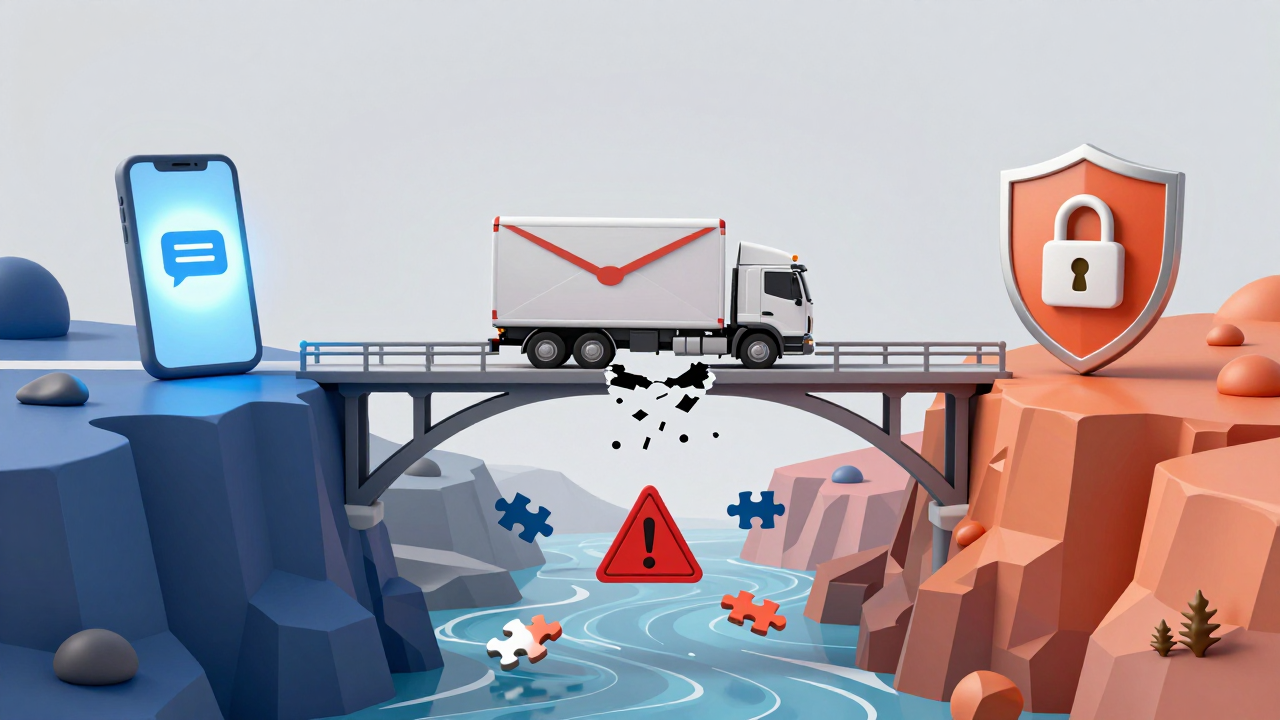
Does this mean SMS receiving is a dead end? Not entirely. It all comes down to how you use it, where you use it, and how you vet your service providers.
A Real-World Cautionary Tale
I know a TikTok Shop seller who, in early 2026, loaded 500 yuan into Yima to mass-register buyer accounts. He barely got through a third of the balance before discovering that a large chunk of numbers wouldn't receive verification codes. At first, he chalked it up to bad luck. Then he tested another platform and found similar issues — just at a slightly lower rate.
He eventually figured out a smarter approach: load small amounts only, test 5–10 numbers first to confirm the target platform reliably receives codes, then scale up. Using this method, he pushed his effective code rate from under 50% to above 70%. Failures still happen, but at least he's not burning through his budget in one shot.
The lesson here: don't put all your eggs in one basket, and don't expect any platform to deliver 100% stability. In 2026, SMS receiving is a probability game. Your job is to improve your odds, not chase perfection.
If Yima Is Unstable, What Should Cross-Border Businesses and Teams Do?
Here's the bottom line: if your business relies heavily on SMS verification codes, adopt a "multi-platform backup + small-batch testing" strategy instead of betting everything on one provider.
1. Build Your Own "Number Resource Pool"
Don't depend solely on Yima. The industry actually has several comparable platforms, each with its own strengths and weaknesses. Some perform better with US and European numbers; others have an edge with Southeast Asian numbers. Based on your primary target markets, keep 2–3 platforms as backups.
One word of caution: in 2026, some platforms have appeared that claim to offer SMS receiving but actually resell recycled numbers with wildly inconsistent quality — and potentially legal risks. Choose carefully.
2. Look for Providers With a "Compliance-First" Approach
In 2026, a new wave of service providers is emerging that prioritizes compliance over pure SMS receiving. These platforms don't just sell you numbers; they offer more complete account operation solutions, including number management, risk control avoidance guidance, and multi-platform compatibility. For example, Getfollow operates on this compliance-first logic — they don't promise 100% code delivery, but they clearly tell you each number's applicable scenarios and risk level, letting you decide whether it's worth using.
The benefit of this model? You're never left in the dark. The platform tells you which numbers are likely to trigger risk controls and which platforms they're best suited for — unlike traditional SMS receiving platforms that sell you a number and wash their hands of you.
3. Test Small First, Then Commit Long-Term
This is the most important piece of advice I can give. Whether you choose Yima, another SMS receiving platform, or a compliance-focused provider like Getfollow, always start with a small budget for testing. Load 50 yuan, test 10–20 numbers, and measure your target platform's delivery success rate. If it's below 60%, move on to the next option without hesitation.
In 2026's cross-border landscape, time is money. Instead of endlessly wrestling with SMS receiving issues, invest a little time upfront to find the number service solution that best fits your business scenario. Remember: there's no perfect platform — only the solution that best matches your current needs.
Final Thoughts: Don't Let SMS Issues Derail Your Business Momentum
Why is Yima not receiving SMS? There's no single answer, but the 2026 industry landscape has sent a clear signal: the rough-and-tumble era of SMS receiving is ending, and refined, strategic operation is the way forward.
For cross-border businesses and independent teams, rather than obsessing over whether one platform is good or bad, build your own "number resource management strategy." Multi-platform backups, small-batch testing, and keeping an eye on compliance-focused providers — follow these three steps, and while I can't promise a 100% solution to code delivery issues, you'll definitely dodge a few landmines on the 2026 cross-border track.
One last thing: any service provider — whether Yima, compliance platforms like Getfollow, or anyone else — is just a tool. How well a tool works depends on how you use it. Test first, invest second. That's the safest strategy for 2026.
Frequently Asked Questions
Why does Yima stop receiving SMS verification codes?
In 2026, the main culprits are carrier channel restrictions, declining virtual number pool quality, and increasingly sophisticated platform risk control systems that flag virtual numbers. It's rarely a single cause — usually a combination of these factors working against you.
Is Yima a scam or are they deliberately blocking codes?
No evidence suggests Yima is deliberately withholding codes. The reality is that their upstream carrier channels have become more restricted, and the number segments they can access are increasingly flagged by platform risk controls. This affects the entire SMS receiving industry, not just Yima.
What's the best alternative to Yima for receiving SMS codes?
Instead of looking for a single alternative, build a multi-platform backup strategy. Test small batches across 2–3 providers, including compliance-focused options like Getfollow, and measure which one delivers the best effective code rate for your specific target platforms.
How can I improve my SMS verification success rate in 2026?
Test small before scaling up, respect number cooldown periods (wait 10–15 minutes before retrying), avoid rapid number rotation on the same platform, and match your number source to your target platform's geographic preferences.