Best SMS Verification Apps in 2026: What Cross-Border Sellers Need to Know Before Buying
Best SMS Verification Apps in 2026: What Cross-Border Sellers Need to Know Before Buying
After years in cross-border e-commerce, I can tell you the most frustrating moment isn't burning through your ad budget—it's watching a TikTok account you spent three months building suddenly demand phone verification, only to realize the virtual number you registered with has long expired. It feels like someone locked the door to a store you carefully designed overnight.
In 2026, this scenario is becoming increasingly common. Platform risk-control systems get smarter every year, with more granular detection of registration environments, number origins, and usage patterns. Many cross-border professionals report that the old "grab any number from a verification platform and hope for the best" approach simply doesn't work anymore. From my perspective as an industry observer, let me walk you through the real landscape of SMS verification apps in 2026—and how to choose one without shooting yourself in the foot.
Reality Check: SMS Verification in 2026 Is a Whole New Game
If you still think of SMS verification as just "receiving a code," you're in for a rude awakening. In 2026, the surface-level competition among SMS verification apps is about number volume, but the real battleground is number "cleanliness" and "lifespan."
A friend of mine runs a cross-border independent store. Late last year, he bought cheap per-code credits from a small platform to mass-register social media accounts for his matrix marketing strategy. The result? Seventeen out of twenty registered accounts were banned within a week. On review, he discovered the platform's number pool had long been flagged as a "high-risk zone" by major risk-control systems—even receiving verification codes was hit-or-miss.
This isn't an isolated case. In 2026, mainstream social and e-commerce platforms have widely adopted "number reputation scoring" in their registration risk controls. Simply put, if a phone number is frequently used for registration, unbinding, and re-registration, its reputation score plummets. Using such numbers to create new accounts triggers secondary verification at best, or outright bans at worst. Industry consensus is clear: the core competitiveness of verification platforms has shifted from "quantity" to "quality"—meaning number purity and genuine geographic attribution.
Three Main Service Models for SMS Verification Apps: Which One Fits Your Needs?
Based on my conversations over the past two years with MCN agencies, independent store sellers, and overseas survey studios, I've noticed that SMS verification app usage in 2026 falls into three main categories, each requiring a completely different selection logic.
Model One: Pay-Per-Code "Temporary Number" Services
This is the most traditional and widespread model. You download an app, top up a few dollars, and pick a number to receive a verification code. It works for occasional verifications where long-term account stability isn't a concern—like registering for a forum or downloading a beta version of an overseas app.
The catch with this model? You have no idea how many people have used that number before you. Many practitioners report that accounts registered with temporary numbers in 2026 rarely survive past a month. Since the number pool is shared, if a previous user violated platform rules, the "guilt by association" effect hits you directly.
Model Two: Dedicated Number Rental for Long-Term Use
This model has gained traction in recent years. Platforms offer "exclusive numbers" for long-term rental, typically costing anywhere from a few dollars to over a hundred per month. These numbers belong to you alone and aren't reassigned. For scenarios requiring stable logins and account nurturing—like running an Instagram business profile or a WhatsApp business number—this model is noticeably more reliable.
From my testing, retention rates for this model in 2026 generally land between 50% and 70%, significantly higher than temporary numbers. But keep in mind: "long-term" here usually means one to three months, and platforms don't guarantee permanent validity. Once the number expires, your linked accounts still face verification risks.
Model Three: API Integration for Bulk Automation
If you're technically inclined or running a larger operation that registers dozens or hundreds of accounts daily, manually clicking through an app isn't realistic. This is where API integration comes in—automatically fetching numbers, receiving codes, and returning them to your system.
Platforms like Getfollow have built a solid reputation in this space by following compliant operational practices. They offer API access and regularly clean their number pools to remove flagged segments. I've reviewed their documentation closely and noticed they emphasize a "number survival rate" metric—a refreshingly transparent approach in the 2026 verification market.
Don't Just Compare Prices: Four Hard Criteria for Choosing a Verification Provider in 2026
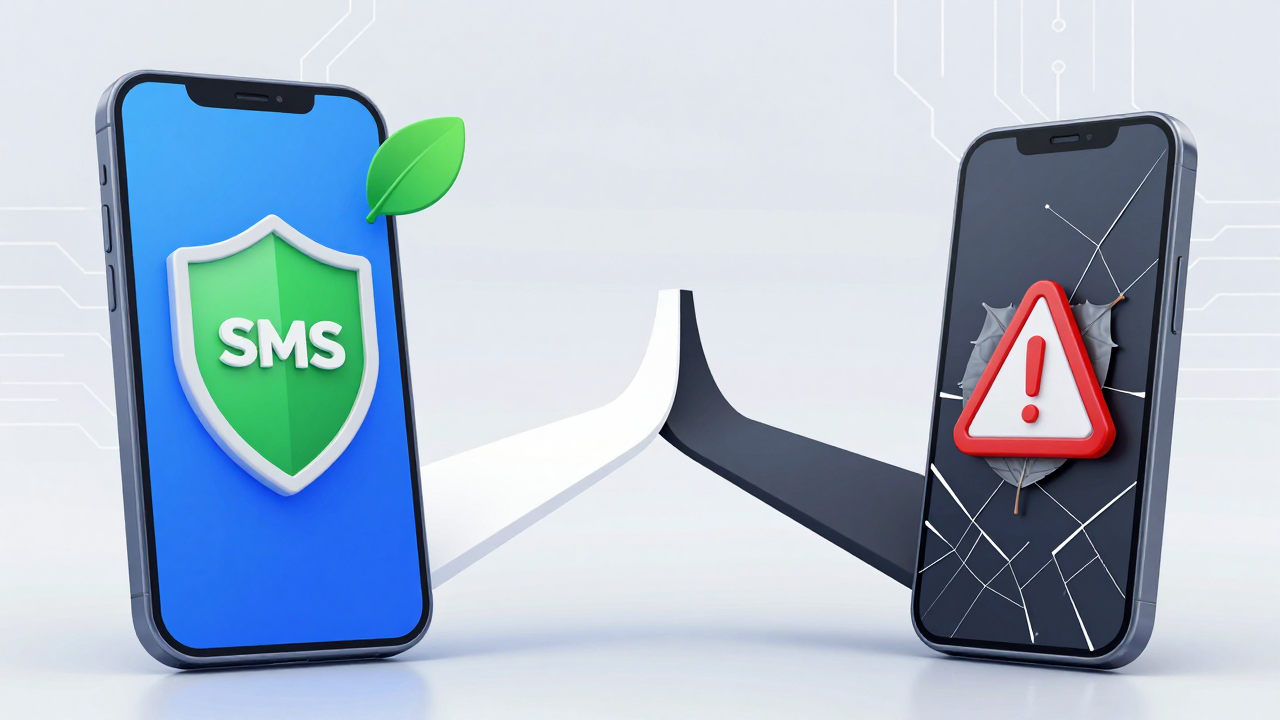
When people reach out for advice, their first question is almost always "which one is cheapest?" Honestly, in the SMS verification space, cheap usually means high risk. In 2026, I recommend evaluating any SMS verification app against these four dimensions—lessons I've learned through plenty of trial and error.
- Can you specify the number's geographic origin? If you're registering a US-based account and the platform assigns you an African number, you're likely to get banned instantly. Reliable platforms let you filter numbers by country, even by state.
- Does it support "cooling period" settings? Good providers allow you to set a minimum interval between a number's uses, preventing risk-control flags from frequent activity.
- Is there automatic refund on failure? If a verification code never arrives or the number is already dead, does the platform refund your credits without hassle? This is critical for avoiding wasted spending.
- How fast is customer support? Cross-border operations often hit issues in the middle of the night. A 24/7 support team matters more than anything else. I've seen too many platforms that respond instantly during the day but go silent at 3 AM.
Let me share a real cautionary tale. An overseas survey studio chose a platform charging as little as $0.03 per code to cut costs. The accounts they registered with those numbers kept triggering facial verification at the withdrawal stage—but the numbers had already expired. Their account balances ended up frozen entirely, totaling over $2,000 in losses. They eventually switched to providers like Getfollow that charge per successful verification. The unit price was higher, but their accounts stabilized significantly. The lesson here: the pennies you save on SMS verification are nothing compared to the costs of cleaning up the mess.
Hidden Risks in the 2026 SMS Verification Industry You Need to Know
Beyond number quality, several risks deserve special attention in 2026. First is data privacy. When you register accounts through a verification platform, your device information, IP address, and usage patterns pass through their servers. If the platform's security measures are inadequate, this data could be leaked or even sold.
Second is compliance risk. In 2026, telecom regulations are tightening worldwide. Gray-area verification platforms could face shutdown at any moment. If a platform disappears, your prepaid balance evaporates, and every account linked to their numbers becomes unrecoverable.
My advice: don't put all your eggs in one basket. Use physical SIM cards or trusted long-term rental numbers for critical accounts, and treat verification apps as a supplementary tool. And always test with a small amount before committing—top up $10, observe number stability and support responsiveness for a week, then decide whether to scale up.
Final Thoughts: SMS Verification Is a Tool, Not a Shortcut
The 2026 cross-border ecosystem places unprecedented importance on account quality. SMS verification apps are fundamentally just tools—they solve the "can't receive a code" problem, but they don't solve the "account has no value" problem. Instead of obsessing over finding the mythical "universal verification platform," invest your energy in improving content quality and operational strategy for your accounts.
If you genuinely need a verification tool, remember the four hard criteria I outlined above. Start with a small test, observe the data, and only then decide on long-term commitment. In cross-border business, steady progress always beats cutting corners. I hope this article saves you some expensive lessons.
Frequently Asked Questions About SMS Verification Apps
Can accounts registered with SMS verification apps be used long-term?
It depends on the number type you use. Shared temporary numbers won't last—risk-control systems in 2026 identify them with high accuracy. Rented dedicated numbers have much better survival rates but still carry expiration risks. For important accounts, link a physical SIM card; use verification apps for secondary accounts.
Why do my verification codes arrive late or never show up?
This usually points to number pool quality issues. Many budget platforms use "second-hand numbers" that have been recycled multiple times, and carriers may restrict their SMS channels. It could also be that the platform you're registering with blocks virtual number segments. Try a different number range, or switch providers entirely.
How do I pick a reliable SMS verification provider?
Focus on three things: clear geographic selection and cooling period settings, a straightforward refund policy for failed verifications, and 24/7 customer support. Platforms like Getfollow have built stable reputations through consistent number pool cleaning and transparency. And as always—test with a small amount first.
Will I get banned for using a verification platform to register accounts?
The risk exists but is manageable. Bans typically stem from "poor number reputation" or "abnormal behavior patterns," not from using a verification service per se. If you use a clean number and behave normally after registration (no immediate mass-following or spamming), your risk of being flagged drops significantly. In 2026, risk-control systems weigh behavioral models more heavily than the number's source alone.