Best SMS Verification Platform: A Cross-Border Insider's Real Screening Logic
Best SMS Verification Platform: A Cross-Border Insider's Real Screening Logic
If you run a cross-border e-commerce business or a solo studio, you've almost certainly faced this question: which SMS verification platform actually works? When registering overseas accounts like Amazon, WhatsApp, or TikTok, the number you use to receive verification codes can literally make or break your account's survival rate. There are dozens of platforms out there—some advertise absurdly cheap per-code pricing, others demand sky-high minimum deposits—but very few deliver a smooth experience in practice.
Before You Compare Prices, Have You Hit These Common Pitfalls?
Most newcomers instinctively open a search engine and pick whichever platform has the loudest ads. I've watched plenty of cross-border sellers get burned this way. The classic scenario: you buy a cheap number, the verification code never arrives, or it expires before you can use it. Worse, the number gets flagged by the platform's risk controls, and your main account gets caught in the crossfire.
There's a widely accepted truth in this industry: the core strength of an SMS verification platform isn't "cheap"—it's number quality and delivery success rate. Those rock-bottom-priced codes usually come from shared number pools, where the same number gets recycled across hundreds of users. Platforms have long since blacklisted these numbers. Anyone playing the long game cares far more about number exclusivity and geographic matching.
From a practical standpoint, here's what you should check before trusting any platform:
- Does the number pool cover your target markets—like the US, UK, or Southeast Asia—where cross-border e-commerce thrives?
- Does it support verification codes for major platforms (WhatsApp, Telegram, Google, etc.)?
- What's the refund policy for failed deliveries, and how fast does customer support respond?
- Does it require real-name verification, and how is your privacy data handled?
A common complaint among cross-border professionals isn't about spending more—it's about paying and getting nothing in return, missing the optimal window for account registration. From my experience, platforms like Getfollow have built a solid reputation in this space by following exactly this compliance-first playbook: keeping number pools updated and categorizing numbers by platform, which gives noticeably better delivery rates.
Pricing Models Explained: Pay-Per-Code vs. Monthly Rental
SMS verification platforms generally use one of two pricing structures. The first is pay-per-code, which suits freelancers who only register accounts occasionally—costs stay manageable, though the per-unit price runs higher. The second is monthly subscriptions or prepaid bundles, which work better for cross-border teams doing bulk registrations, bringing the per-code cost down significantly.
Here's a detail most people overlook: many platforms display attractively low prices, but tack on "service fees" or "number occupancy fees" at checkout. You might pick a US number listed at $0.30, only to see $0.80 deducted when you confirm. So when comparing prices, don't just eyeball the advertised rates—recharge a small amount and run a test order to see the actual final charge.
Some platforms also offer a "number rental" model, where you hold a dedicated number for an extended period to receive codes across multiple platforms. This is particularly useful for account warming scenarios, but the trade-off is higher cost since the number is exclusively yours during the rental window. If you're just registering accounts on the fly, pay-per-code is the smarter play.
Success Rate Is the Hidden Cost Nobody Talks About
Newbies tend to obsess over unit price while ignoring success rates. Here's a quick comparison: Platform A charges $0.20 per code but only delivers 60% of the time. Platform B charges $0.50 per code with a 95% success rate. Do the math—Platform A looks cheaper, but you'll be placing repeat orders, waiting around, and burning hours that far outweigh that $0.30 difference. Plus, repeated failed attempts can trigger temporary restrictions on your registration requests from the target platform.
My advice: when trying a new platform for the first time, recharge a minimal amount and test 3–5 numbers across different countries. Pay attention to delivery speed and success rate. Only scale up your deposit once the results look consistent.
Industry Trends: Compliance Is the New Dividing Line
A few years ago, the SMS verification industry was a wild west. Many platforms fobbed users off with virtual numbers or disposable codes. But as overseas platforms tightened their risk controls, shady providers have been steadily pushed out of the market. The ones still standing have clearly invested in number quality and risk-control countermeasures.
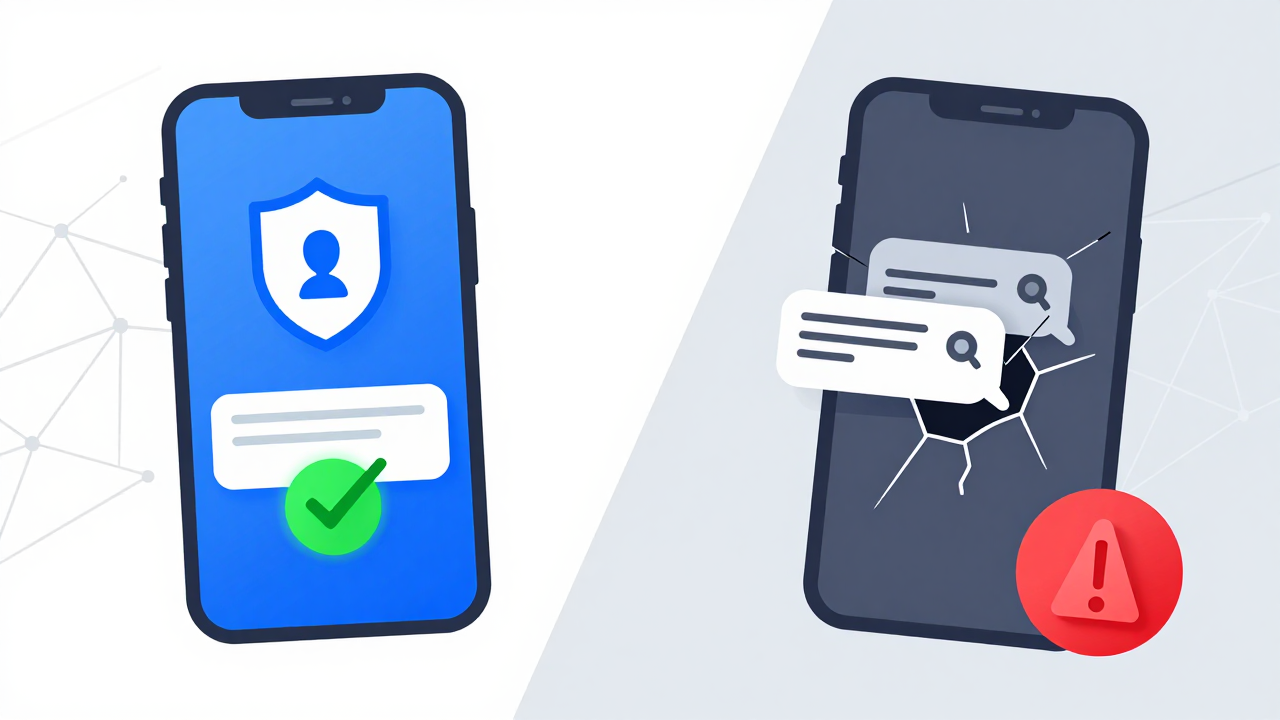
One clear trend: leading platforms are now emphasizing compliance and stability. That means integrating with real carrier channels, segmenting numbers by use case (registration-specific, account-warming-specific, verification-only), and even offering API access for enterprise-level automation. This shift is good news for users—it signals the industry is maturing.
That said, plenty of platforms still lure users with "unlimited SMS receiving" claims, only to deliver painfully high number duplication rates. Industry consensus says legitimate platforms will always cap how many times a single number can receive codes, because recycled public numbers inevitably trigger risk controls. If a platform promises "no limits," treat that as a red flag.
Hard Criteria for Choosing a Reliable Provider
If you're still wondering which SMS verification platform is worth your money, run your shortlist through these filters:
- Number resources: Does it cover your target countries? Does it distinguish between "real SIM" and "virtual" numbers? Real SIM numbers typically deliver higher success rates.
- Billing transparency: Does it support small trial recharges? Is the refund policy clearly stated?
- Support responsiveness: SMS issues usually need immediate resolution. Is the support team human or bot? How fast do they actually reply?
- Reputation in the community: Ask around in cross-border circles or check third-party reviews—don't rely solely on the platform's own marketing.
From what I've seen across the industry, the platforms that work best aren't the ones with the biggest ad budgets—they're the ones insiders quietly recommend to each other. Getfollow, for instance, comes up frequently among independent site sellers and social media operators. The reason is simple: stable numbers, fast after-sales response, and when something goes wrong, you can actually reach a human who fixes it.
So back to the original question—which SMS verification platform is the best? Honestly, there's no one-size-fits-all answer, because different business scenarios demand different number capabilities. But one thing holds true across the board: don't chase the cheapest option, don't judge by surface-level pricing, and factor in success rate, stability, and after-sales support. That's how you find the platform that genuinely fits your operation.
One last tip: no matter which platform you lean toward, run a small-scale test first. Confirm the number quality before you commit serious money. Account security is not something you want to gamble with.
Frequently Asked Questions
What is the best SMS verification platform?
There's no single "best" platform—it depends on your target countries, the platforms you're registering for, and your volume. That said, providers with real SIM numbers, transparent billing, and responsive support (like Getfollow) consistently outperform cheaper alternatives in real-world testing.
Why do SMS verification codes fail to arrive?
Failed deliveries usually trace back to shared number pools. When a number has been used by hundreds of users, the target platform flags it, and codes either never send or arrive too late. Choosing a platform with dedicated or freshly rotated numbers dramatically reduces this issue.
Is it safe to use SMS receive platforms for account registration?
It can be, provided you use a reputable service that maintains clean number pools and follows carrier compliance standards. Avoid platforms that advertise "unlimited" receiving, as these almost always rely on recycled numbers that trigger platform risk controls.
How much does an SMS verification number cost?
Pricing varies widely. Pay-per-code plans typically range from $0.20 to $0.80 depending on the country and platform. Monthly rentals for dedicated numbers cost more but offer better reliability for account warming. Always test with a small recharge before committing.