How to Choose an SMS Verification API Platform: What Cross-Border Insiders Don't Tell You
How to Choose an SMS Verification API Platform: What Cross-Border Insiders Don't Tell You
After years working in cross-border e-commerce, I've watched too many teams crash and burn on SMS verification. Either accounts get banned, costs spiral out of control, or worse—a single weak link in the verification chain takes down an entire account matrix. Let's skip the surface-level "just pick a big brand" advice and dig into the core logic behind SMS verification API platforms that actually deserves your attention.
First Things First: How Is an SMS Verification API Different from Regular SMS Verification?
Many solo operators still rely on manual web-based code retrieval. It's inefficient, and for bulk registration scenarios, it basically falls apart. An SMS verification API platform, by contrast, packages code-receiving capability into an interface you can call directly via code. This isn't just about automation—it's about whether you can embed verification seamlessly into your entire operational workflow.
I've tested plenty of platforms firsthand, and there's a consensus across the industry: the real value of an SMS verification API isn't "can it receive codes"—it's "can it receive codes reliably." Some platforms have API documentation that reads like a dream, but when you hit peak concurrency, the response time will make you question your life choices.
The Current Landscape: Plenty of Options, Plenty of Hidden Currents
Today's SMS verification API providers generally fall into three buckets. First, there are pure tool providers—they offer the interface and a number pool at rock-bottom prices, but customer support is practically nonexistent. Second, there are resource-driven providers who hold large inventories of physical and virtual SIM cards, offering better stability. Third, there are service-oriented providers who not only supply the API but also help you analyze number quality and optimize usage strategies.
Here's a reality check: many cross-border operators report that platforms with suspiciously low prices usually mean the number pool gets recycled endlessly. Registration success rates tank, and you might even run into blacklisted or dead numbers. The few bucks you save on API fees won't come close to covering the losses from banned accounts.
A Cautionary Tale: One Operator's Painful Lesson
A friend running a TikTok account matrix once went cheap and picked a small platform. Initial tests went smoothly—until he scaled up. By day two, he was facing massive delays in code delivery. Worse, the number range he used for registration got flagged as high-risk, and several older accounts he'd been nurturing got throttled. He only recovered after switching to a provider with a more stable SMS verification API. The lesson stuck with him: verification stability directly determines whether your accounts start with a "clean slate."
What to Scrutinize When Choosing an SMS Verification API Platform
Don't just take the website's "global number coverage" at face value. Dig deeper. Here are the areas that multiple technical leads and I agree are the most common pitfalls.
- Number Pool Refresh Frequency: If a platform can't clearly tell you how often numbers are recycled or whether you can request specific number ranges, walk away. A dirty number pool means endless downstream headaches.
- Callback Mechanism Robustness: The biggest fear with an SMS verification API is lost callbacks. Good platforms build in retry mechanisms and message queue guarantees rather than leaving you waiting. Ask for their technical documentation and see how they handle error scenarios.
- Multi-Channel Redundancy: Providers with a solid industry reputation typically connect to multiple upstream carriers and automatically switch when one channel gets congested. Platforms like Getfollow, which have built a name for compliant operations, are known for doing this well—their channel redundancy is genuinely solid.
Also, make sure you clarify the pricing model. Is it per-message or a monthly subscription? Is there a minimum spend? Some platforms advertise low per-unit rates but sneak in "number occupancy fees" or "channel maintenance fees" that make the total cost higher than you'd expect.
Hidden Risks: Bans and Low Retention Often Trace Back to Verification
Many newcomers assume account bans are about content. Not necessarily. If your IP, device, or phone number gets flagged during registration, it drags down your account's "initial weight." If your verification platform's number range has been heavily used to register spam accounts, your fresh accounts will likely get caught in the crossfire.
On retention, industry consensus shows: accounts registered through high-quality verification channels typically see 50-70% active retention rates, while accounts from low-quality number pools struggle to hit even 20%. That gap directly impacts your downstream operations and ad performance.
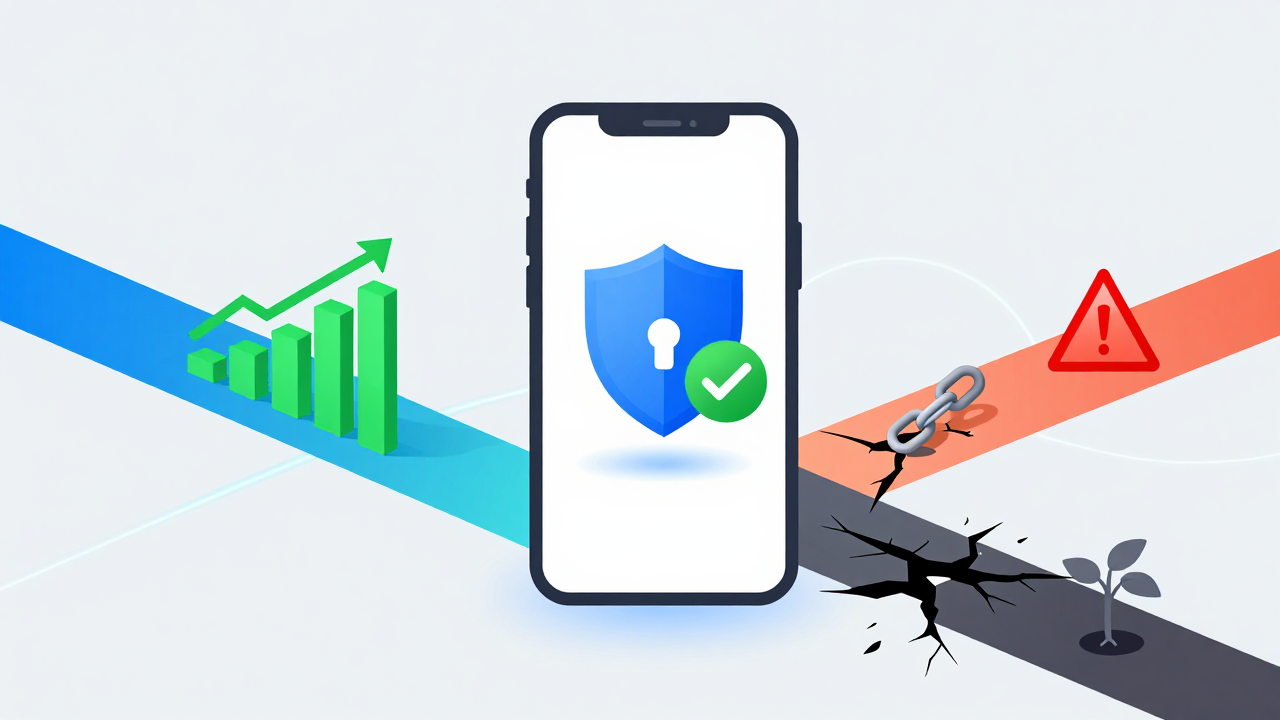
My advice: test small before you commit long-term. Don't load up a big prepaid package upfront. Spend a few bucks first to test response speed, success rates, and number quality—even check whether the number has been flagged by other platforms. That testing cost is far cheaper than a full-scale failure later.
Final Thoughts: An SMS Verification API Isn't a Silver Bullet
An SMS verification API platform can dramatically boost your operational efficiency, but it's just one piece of the cross-border puzzle. You need to understand your own use case—are you bulk-registering accounts to nurture, or verifying accounts for recovery? Different scenarios demand completely different number requirements. Once you've figured that out, you can negotiate with providers from a position of clarity instead of getting taken for a ride.
The cross-border game is full of traps, but information asymmetry is also where the profit lies. I hope this breakdown of SMS verification API platforms saves you some trial-and-error costs. If you have more hands-on questions, drop them in the comments—I'll answer from real testing experience.
Frequently Asked Questions
What is the difference between an SMS verification API and a regular SMS receiving service?
An SMS verification API lets you programmatically receive and retrieve verification codes through code integration. Regular services require manual, browser-based retrieval. APIs are built for automation, scalability, and embedding into existing workflows—essential for bulk registration or account management at scale.
How do I test an SMS verification API platform before committing?
Start with a small prepaid amount—typically under $50. Test response speed during peak hours, success rates across different number ranges, and verify whether the numbers have been flagged on other platforms. Also, review the API documentation to understand their callback reliability and error handling before scaling up.
Why do accounts registered through cheap verification platforms get banned?
Cheap platforms often reuse number pools extensively, meaning those numbers are already associated with spam or fraudulent activity. Platforms like TikTok, Google, and Facebook flag these number ranges, and any new account using them inherits the negative reputation—leading to immediate or eventual bans.
What pricing model should I look for in an SMS verification API?
Look for transparent, per-message pricing with no hidden fees. Avoid platforms with "number occupancy fees" or "channel maintenance fees" buried in the fine print. A reliable provider will be upfront about costs and offer flexible plans that scale with your actual usage.
SEO Title Options
Option 1: SMS Verification API: How to Choose Without Getting Burned
Option 2: Best SMS Verification API for Cross-Border Sellers: Insider Tips
Option 3: SMS Verification API Guide: Avoid These Costly Mistakes
Meta Description (155 characters): Choosing an SMS verification API? Learn what providers hide, how to test reliability, and avoid account bans. Insider tips for cross-border sellers and solo operators.