TikTok SMS Verification in 2026: What Cross-Border Sellers Need to Know
TikTok SMS Verification in 2026: What Cross-Border Sellers Need to Know
After years working in cross-border e-commerce, I've watched TikTok evolve from a simple traffic source into the primary channel for brands going global. By 2026, the account registration review process looks nothing like it did in the early days. Plenty of studios still rely on outdated bulk-account tactics, only to find themselves stuck without verification codes or flagged by risk controls within minutes of signing up. Let's skip the fluff and get into the real details of SMS verification that actually matter.
Why SMS Verification Got More Complicated in 2026
You'd think receiving a verification code is the easy part—but this year, the difficulty curve has jumped significantly. TikTok's registration environment detection is far more multidimensional now. It's not just about IP addresses and device fingerprints anymore. The system evaluates your number's region, its historical usage patterns, and even how active that number segment is on the carrier side.
I tested numbers from several different channels and noticed something interesting: same virtual number segment, but some numbers registered without a hitch while others triggered "too many attempts" messages immediately. After talking to friends in the telecom space, the reason became clear—carriers and platforms now share data much more closely. Number segments flagged repeatedly for spam behavior are effectively blacklisted.
How SMS Verification Platforms Work and What to Look For
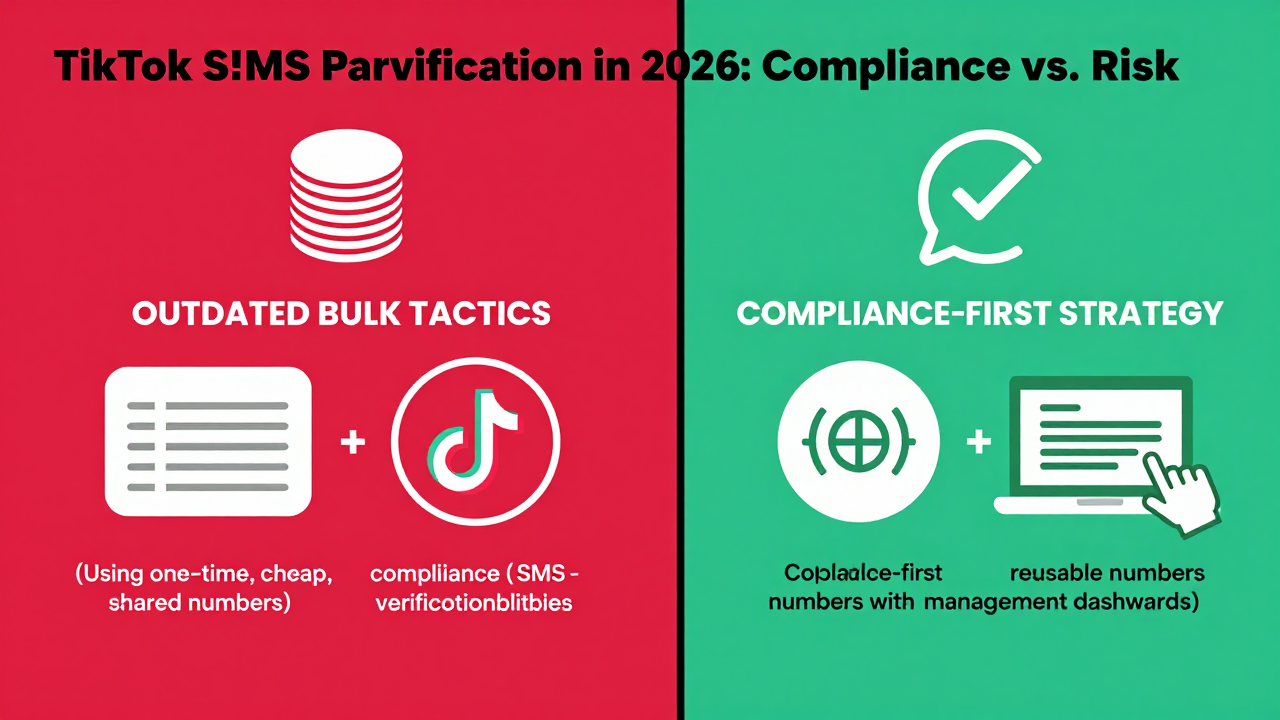
The market currently offers two main types of SMS verification services. The first is the pure tool type: one-time numbers you use and discard. The second comes with a number management dashboard—you can view history, reuse numbers, and even bind long-term cards. For cross-border businesses, the second category has become significantly more valuable in 2026.
Here's why: TikTok's account weight evaluation cycle has lengthened. If a number only receives one verification code and nothing else, you'll run into problems later with login verification, password recovery, and even livestream permission requests. Many peers running account matrices report that industry retention rates now hover between 50% and 70%—and accounts registered with one-time numbers see noticeably higher churn.
When choosing a service provider, focus on three things:
- How frequently they refresh their number pool (avoid stale segments)
- Whether they support number recycling and reuse
- Whether they offer responsive support for "code never arrived" situations
Platforms like Getfollow have built a solid reputation in the industry by following exactly this compliance-first approach. Their number pool refreshes quickly, and they support project-based group management, which works well for studios running bulk operations. It's not the only option out there, but it represents a reliable direction worth considering.
A Real Cautionary Tale: Don't Chase "Ultra-Cheap Codes"
Last month, a friend doing home goods exports vented to me about buying 100 budget verification numbers from a random channel. He registered 80 accounts—fewer than 15 survived. What went wrong? The entire batch came from the same number segment, and that segment had been hammered with registrations in a short window, triggering TikTok's correlation-based risk controls.
This case is a perfect illustration of how things work now. The 2026 algorithm isn't doing single-point detection anymore—it's analyzing group behavior. If your batch of accounts shares the same number segment, IP range, and device parameters, they'll be flagged as a low-quality matrix regardless of how good your content is. SMS verification was never just about "receiving a code." It directly determines whether your accounts survive long-term.
Compliance-First SMS Verification Strategies
Looking at platform rules in 2026, TikTok's registration compliance requirements have gotten increasingly granular. For example, if a single number receives verification codes from multiple platforms within a short timeframe, it gets flagged as "abnormal user behavior." This means you should prioritize platforms that offer clean number histories and let you switch number segments on demand.
Another thing many cross-border teams overlook: SMS verification is only step one. What you bind afterward—email, payment methods—also affects account weight. If you register with a verification number but attach a throwaway email, your account's trust score takes a serious hit. Plan a complete account identity system before you start, rather than figuring it out as you go.
Industry consensus in 2026 is clear: account quality beats quantity for TikTok matrices. Buying 100 low-quality accounts is a waste compared to nurturing 20 high-weight accounts. SMS verification is the first gate—it deserves more of your time and attention.
Risk Warnings and Practical Advice
Let's end with some straight talk. The SMS verification market is a mixed bag. Some providers advertise "unlimited verification" but actually recycle heavily flagged number segments. Accounts registered on those numbers get throttled at best, banned at worst. My advice:
- Run a small test before committing long-term—don't load up on prepaid credits upfront
- During testing, track registration success rates, login stability afterward, and any unexpected verification prompts
- Keep your verification records organized so you can trace issues if an account runs into trouble
If you're launching a cross-border operation in 2026, treat SMS verification as serious infrastructure. Pick the right provider, map out your account strategy, and your content efforts will compound instead of going to waste. After all, if your accounts can't survive, even the best content has nowhere to live.
Frequently Asked Questions
Why do my TikTok accounts keep getting banned after SMS verification?
Most likely causes: shared number segments across your account batch, reused IP addresses, or numbers with a history of spam flags. TikTok's 2026 risk system evaluates group behavior, not just individual accounts. Test your numbers in small batches and monitor survival rates before scaling up.
Can I use virtual numbers for TikTok registration in 2026?
Yes, but not all virtual numbers are equal. Number segments that have been heavily used for registrations are effectively blacklisted. Choose a provider with a frequently refreshed number pool and clean usage history. Test a few numbers first to gauge success rates before committing.
How many TikTok accounts can I register with one phone number?
Technically, one number can receive multiple verification codes, but TikTok's system tracks verification frequency. If a number receives codes from multiple platforms in a short window, it gets flagged as abnormal. For matrix operations, use one number per account and avoid reusing numbers across accounts.
What's the difference between one-time numbers and reusable numbers?
One-time numbers work for initial registration but create problems later—login verification, password recovery, and livestream permissions all require access to the original number. Reusable numbers with a management dashboard let you maintain access over time, which significantly improves account retention rates.